| Cruise Region : Pacific cruises, Oceania, Australia / New Zealand |
| Company : Azamara Cruises |
| Ship : Azamara Onward |
| Journey Start : Wed 01 Mar 2028 |
| Journey End : Fri 02 Jun 2028 |
| Count Nights : 93 nights |
| Day | Date | Port | Arrival | Departure |
|---|---|---|---|---|
| 1 | 1.03 Wed | Sydney / Australia | 22:00 | |
| 2 | 2.03 Thu | Newcastle / Great Britain | 08:00 | 20:00 |
| 3 | 3.03 Fri | Day at sea / Sea | ||
| 4 | 4.03 Sat | Mooloolaba / Australia | 08:00 | 20:00 |
| 5 | 5.03 Sun | Day at sea / Sea | ||
| 6 | 6.03 Mon | Airlie Beach Queensland / Australia | 08:00 | 17:00 |
| 7 | 7.03 Tue | Cairns / Australia | 13:00 | |
| 8 | 8.03 Wed | Cairns / Australia | 20:00 | |
| 9 | 9.03 Thu | Day at sea / Sea | ||
| 10 | 10.03 Fri | Day at sea / Sea | ||
| 11 | 11.03 Sat | Day at sea / Sea | ||
| 12 | 12.03 Sun | Darwin / Australia | 08:00 | |
| 13 | 13.03 Mon | Darwin / Australia | 13:00 | |
| 14 | 14.03 Tue | Day at sea / Sea | ||
| 15 | 15.03 Wed | KOMODO ISLAND | 13:00 | 17:00 |
| 16 | 16.03 Thu | Tangjung Benoa / Indonesia | 13:30 | |
| 17 | 17.03 Fri | Tangjung Benoa / Indonesia | 09:00 | 22:00 |
| 18 | 18.03 Sat | Chelukan-Bawang | 08:00 | 16:00 |
| 19 | 19.03 Sun | Day at sea / Sea | ||
| 20 | 20.03 Mon | Day at sea / Sea | ||
| 21 | 21.03 Tue | Sandakan / Malaysia | 08:00 | 17:00 |
| 22 | 22.03 Wed | Puerto Princesa / Philippine Islands | 10:30 | 17:30 |
| 23 | 23.03 Thu | Coron Island / Philippine Islands | 13:00 | 19:00 |
| 24 | 24.03 Fri | Manila / Philippine Islands | 09:30 | |
| 25 | 25.03 Sat | Manila / Philippine Islands | 14:00 | |
| 26 | 26.03 Sun | Day at sea / Sea | ||
| 27 | 27.03 Mon | Limbe / Cameroon | 08:00 | |
| 28 | 28.03 Tue | Limbe / Cameroon | 09:00 | 20:00 |
| 29 | 29.03 Wed | Day at sea / Sea | ||
| 30 | 30.03 Thu | Da Nang / Vietnam | 08:00 | 20:00 |
| 31 | 31.03 Fri | Day at sea / Sea | ||
| 32 | 1.04 Sat | Ho Chi Minh / Vietnam | 10:00 | |
| 33 | 2.04 Sun | Ho Chi Minh / Vietnam | 12:00 | |
| 34 | 3.04 Mon | Day at sea / Sea | ||
| 35 | 4.04 Tue | Bangkok / Thailand | 06:00 | |
| 36 | 5.04 Wed | Bangkok / Thailand | ||
| 37 | 6.04 Thu | Bangkok / Thailand | 14:00 | |
| 38 | 7.04 Fri | Samui Island / Koh Samui / Thailand | 08:00 | 14:00 |
| 39 | 8.04 Sat | Day at sea / Sea | ||
| 40 | 9.04 Sun | Singapore / Singapore | 08:00 | |
| 41 | 10.04 Mon | Singapore / Singapore | 09:00 | 17:00 |
| 42 | 11.04 Tue | Kuala Lumpur / Malaysia | 08:00 | 20:00 |
| 43 | 12.04 Wed | Day at sea / Sea | ||
| 44 | 13.04 Thu | Sabang / Indonesia | 08:00 | 17:00 |
| 45 | 14.04 Fri | Day at sea / Sea | ||
| 46 | 15.04 Sat | Day at sea / Sea | ||
| 47 | 16.04 Sun | Hambantota / Sri Lanka | 08:00 | 18:00 |
| 48 | 17.04 Mon | Colombo / Sri Lanka | 08:00 | 20:00 |
| 49 | 18.04 Tue | Kochi / India | 17:00 | |
| 50 | 19.04 Wed | Kochi / India | 22:00 | |
| 51 | 20.04 Thu | Day at sea / Sea | ||
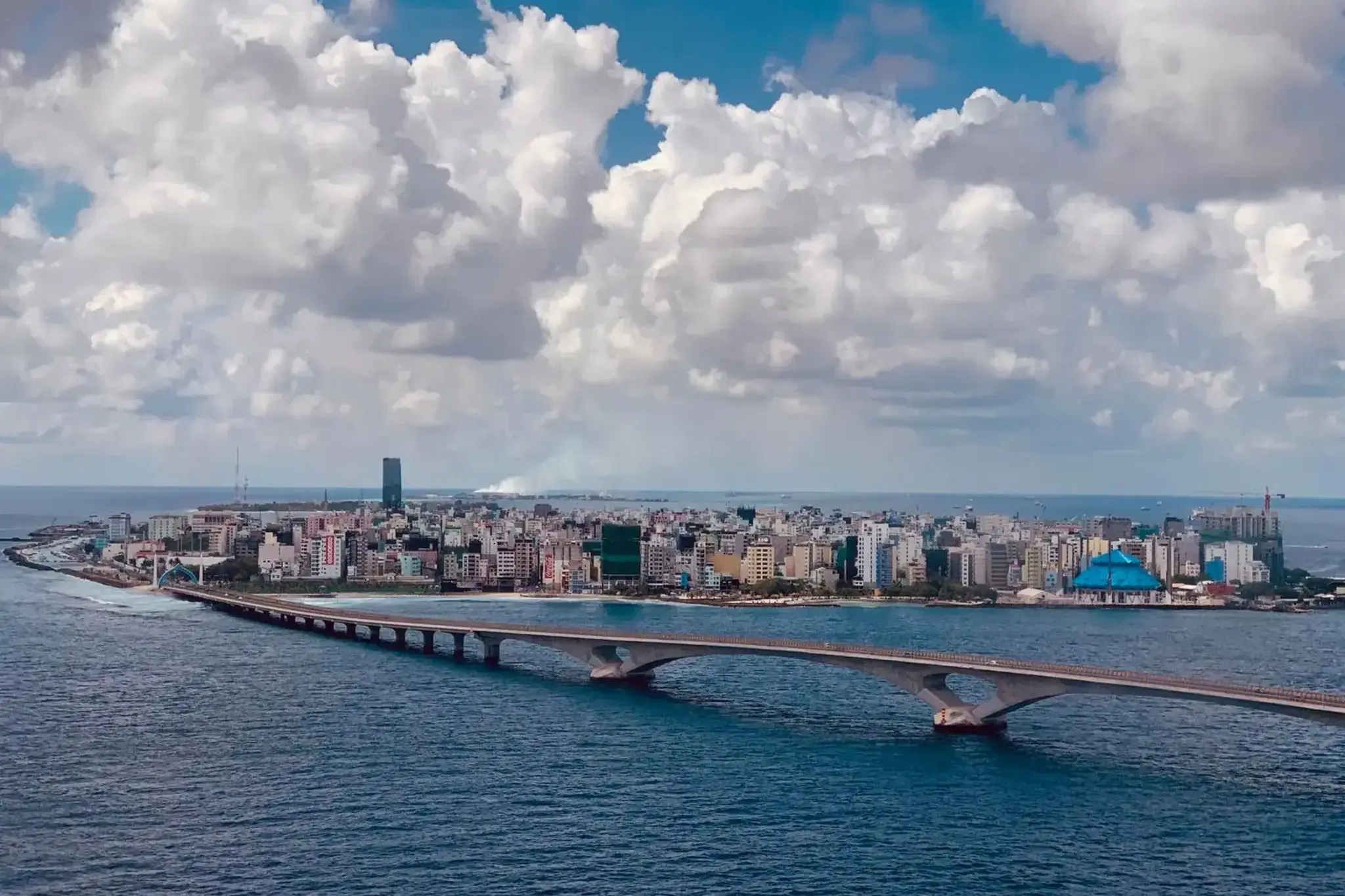
| 52 | 21.04 Fri | Male / Maldives | 08:00 | 17:00 |
| 53 | 22.04 Sat | Day at sea / Sea | ||
| 54 | 23.04 Sun | Day at sea / Sea | ||
| 55 | 24.04 Mon | Day at sea / Sea | ||
| 56 | 25.04 Tue | Day at sea / Sea | ||
| 57 | 26.04 Wed | Port Louis / Mauritius | 13:00 | |
| 58 | 27.04 Thu | Port Louis / Mauritius | 08:00 | 21:00 |
| 59 | 28.04 Fri | PEBBLE POINT | 08:00 | 18:00 |
| 60 | 29.04 Sat | Day at sea / Sea | ||
| 61 | 30.04 Sun | Tolanaro Tolanaro / Madagascar | 08:00 | 18:00 |
| 62 | 1.05 Mon | Day at sea / Sea | ||
| 63 | 2.05 Tue | Day at sea / Sea | ||
| 64 | 3.05 Wed | Richards Bay / South Africa | 07:00 | 20:00 |
| 65 | 4.05 Thu | Durban / South Africa | 08:00 | 20:00 |
| 66 | 5.05 Fri | Day at sea / Sea | ||
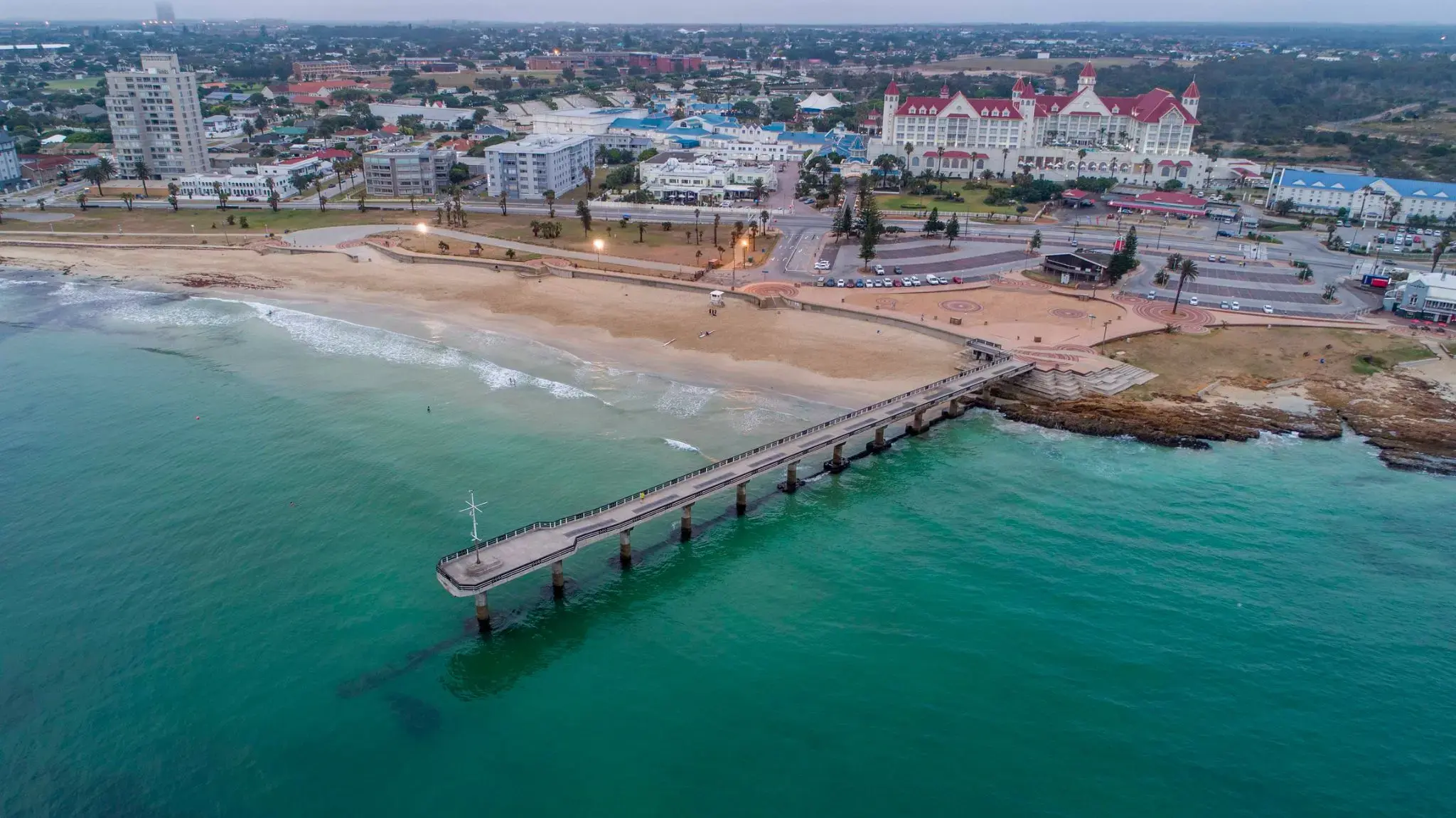
| 67 | 6.05 Sat | Port Elizabeth / South Africa | 07:00 | 20:00 |
| 68 | 7.05 Sun | Day at sea / Sea | ||
| 69 | 8.05 Mon | Cape Town / South Africa | 08:00 | |
| 70 | 9.05 Tue | Cape Town / South Africa | 07:00 | 20:00 |
| 71 | 10.05 Wed | Day at sea / Sea | ||
| 72 | 11.05 Thu | Luderitz / Namibia | 08:00 | 16:00 |
| 73 | 12.05 Fri | Walvis Bay / Namibia | 11:00 | |
| 74 | 13.05 Sat | Walvis Bay / Namibia | 20:00 | |
| 75 | 14.05 Sun | Day at sea / Sea | ||
| 76 | 15.05 Mon | Day at sea / Sea | ||
| 77 | 16.05 Tue | Day at sea / Sea | ||
| 78 | 17.05 Wed | Jamestown / Saint Helena | 08:00 | 17:00 |
| 79 | 18.05 Thu | Day at sea / Sea | ||
| 80 | 19.05 Fri | Day at sea / Sea | ||
| 81 | 20.05 Sat | Day at sea / Sea | ||
| 82 | 21.05 Sun | Day at sea / Sea | ||
| 83 | 22.05 Mon | Day at sea / Sea | ||
| 84 | 23.05 Tue | Praia / Cape Verde | 09:00 | 17:00 |
| 85 | 24.05 Wed | Day at sea / Sea | ||
| 86 | 25.05 Thu | Day at sea / Sea | ||
| 87 | 26.05 Fri | Las Palmas (Gran Canaria) / Spain | 06:00 | 20:00 |
| 88 | 27.05 Sat | Arrecife / Spain | 08:00 | 17:00 |
| 89 | 28.05 Sun | Agadir / Morocco | 08:00 | 14:00 |
| 90 | 29.05 Mon | Casablanca / Morocco | 09:00 | 22:00 |
| 91 | 30.05 Tue | Gibraltar / Great Britain | 13:00 | 22:00 |
| 92 | 31.05 Wed | Malaga / Spain | 08:00 | 22:00 |
| 93 | 1.06 Thu | Day at sea / Sea | ||
| 94 | 2.06 Fri | Barcelona / Spain | 06:00 |
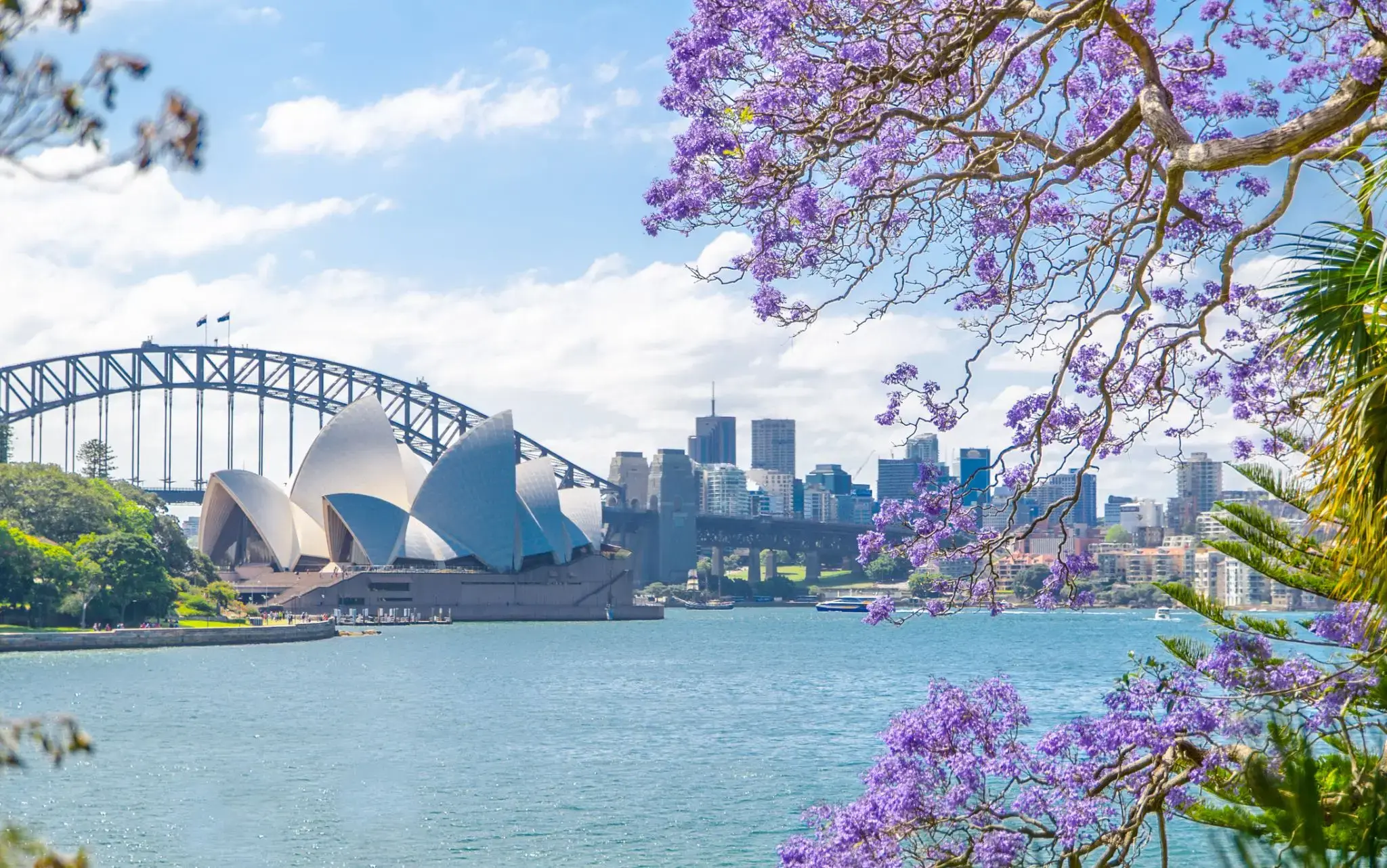
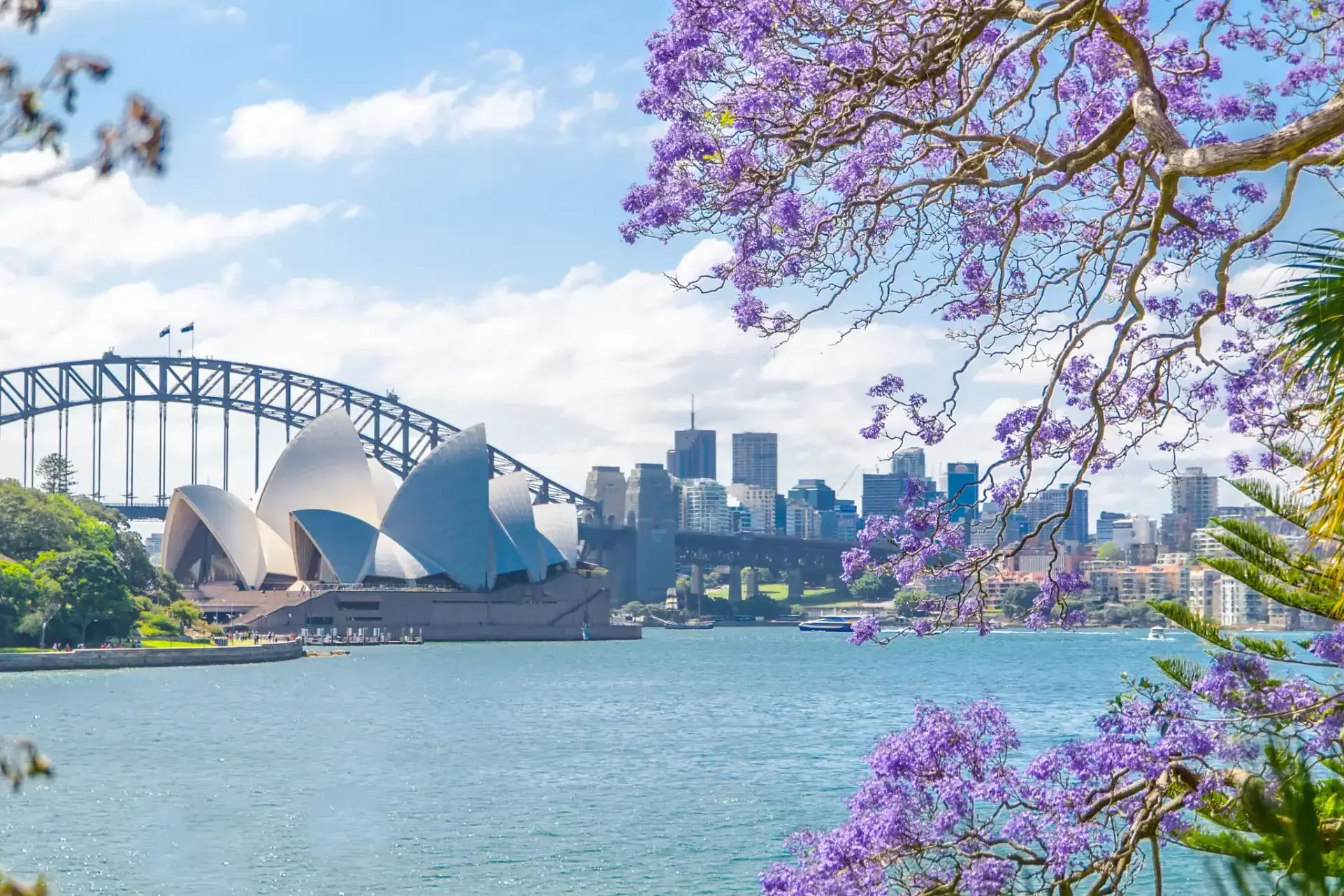
Sydney is the state capital of New South Wales and the most populous city in Australiaand Oceania. Located on Australia's east coast, the metropolis surrounds Port Jackson and extends about 70 km (43.5 mi) on its periphery towards the Blue Mountains to the west, Hawkesbury to the north, and Macarthur to the south. Sydney is made up of 658 suburbs, 40 local government areas and 15 contiguous regions. Residents of the city are known as "Sydneysiders". As of June 2017, Sydney's estimated metropolitan population was 5,131,326, and is home to approximately 65% of the state's population.
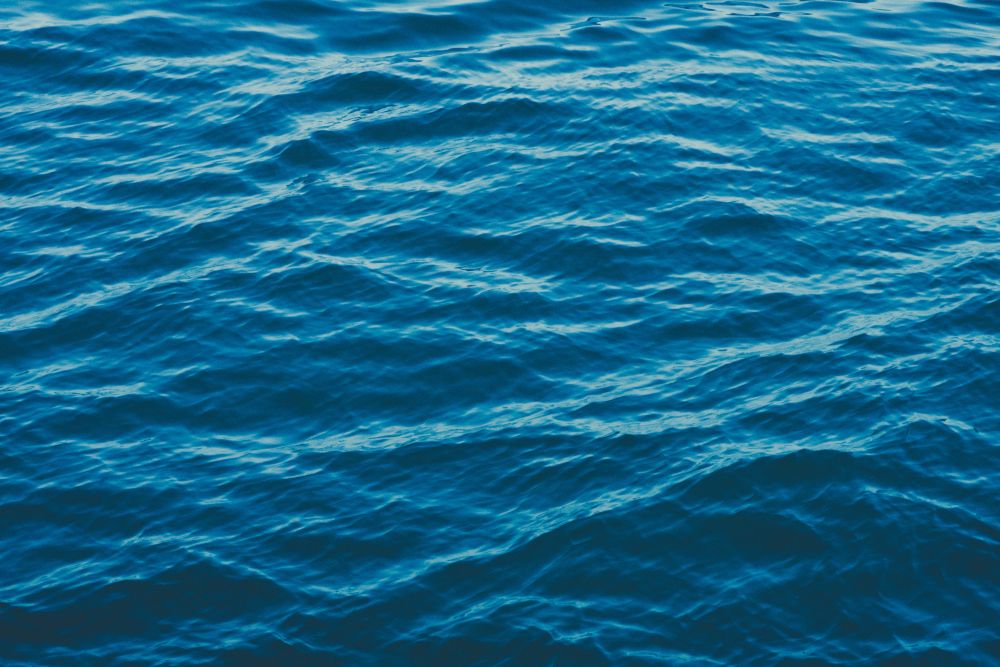
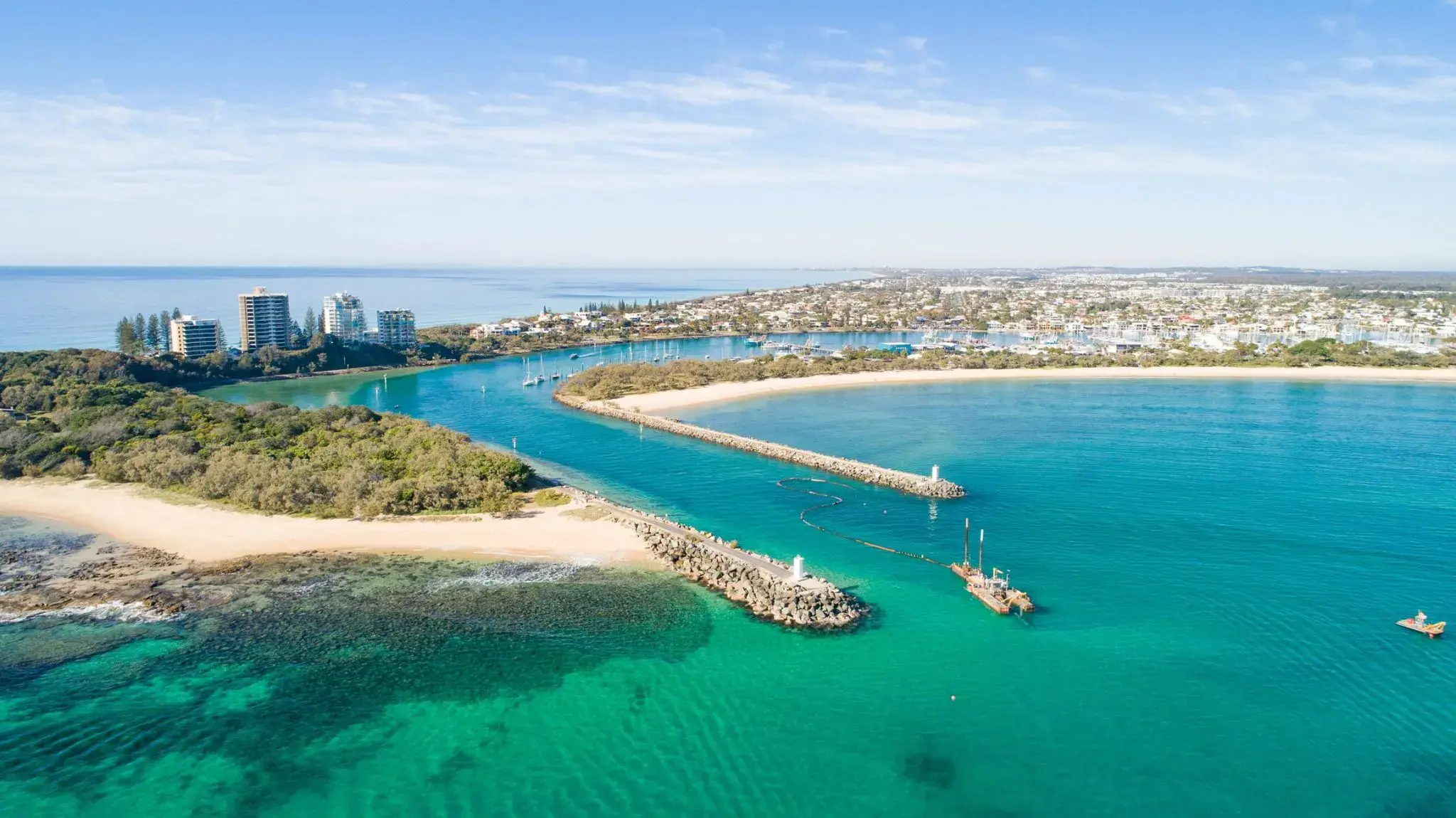
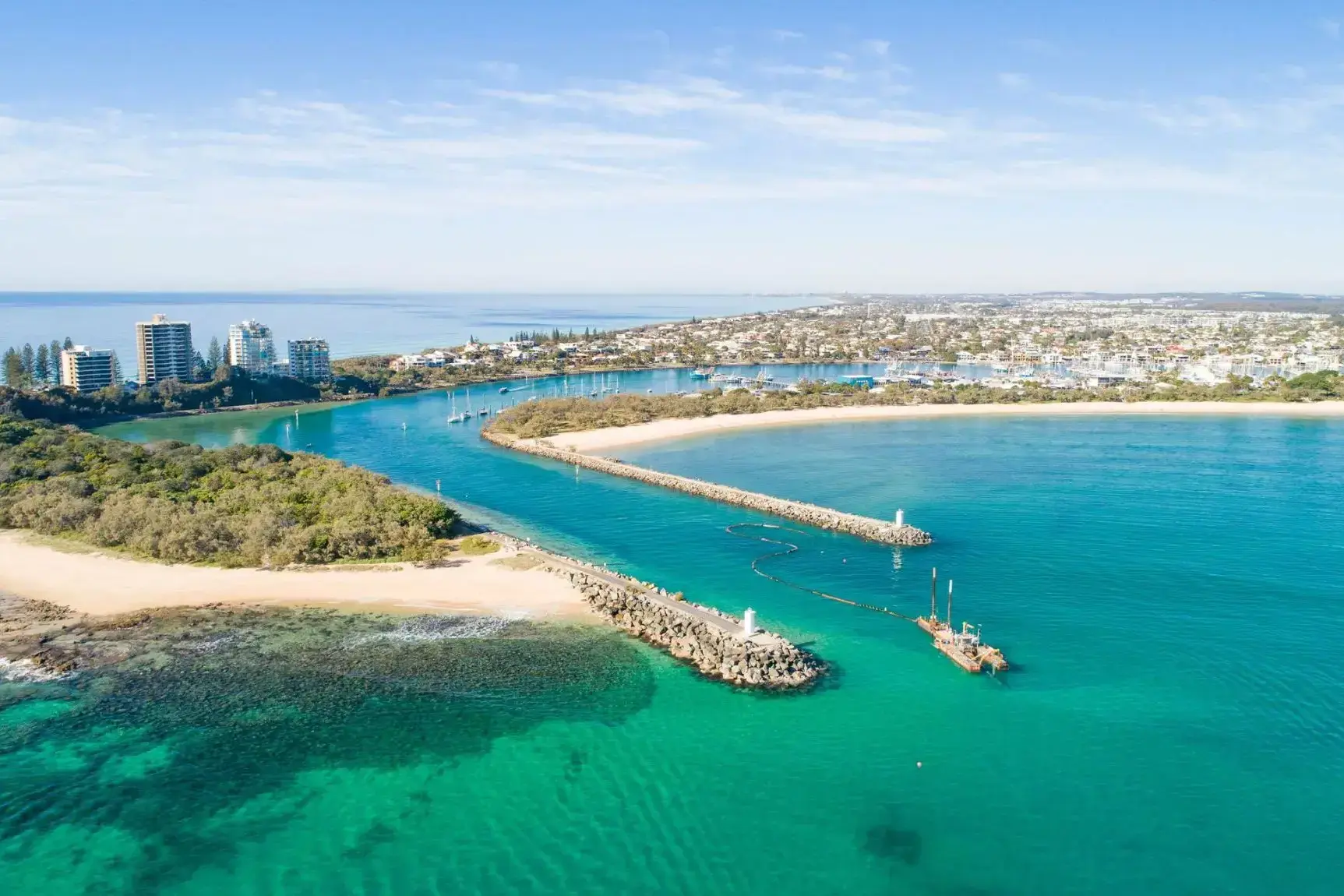
Mooloolaba is a picturesque coastal town on the Sunshine Coast in Queensland, Australia, known for its ideal conditions for beach holidays and water sports. The town boasts one of the region's most popular beaches, attracting tourists with its clean sand, calm waters, and excellent opportunities for surfing, swimming, and fishing. Mooloolaba is also famous for its beautiful promenade lined with cafes, restaurants, and shops where visitors can enjoy local cuisine and pick up souvenirs.
In addition to its beaches, Mooloolaba offers a variety of natural attractions. The surrounding area is home to the Mooloolaba National Park and a marine center where visitors can learn about the local flora and fauna, including dolphins and sea turtles. For those seeking seclusion and an opportunity to explore unique ecosystems, islands like Moreton Island are easily accessible. Mooloolaba is the perfect place for active outdoor activities and relaxing seaside moments.
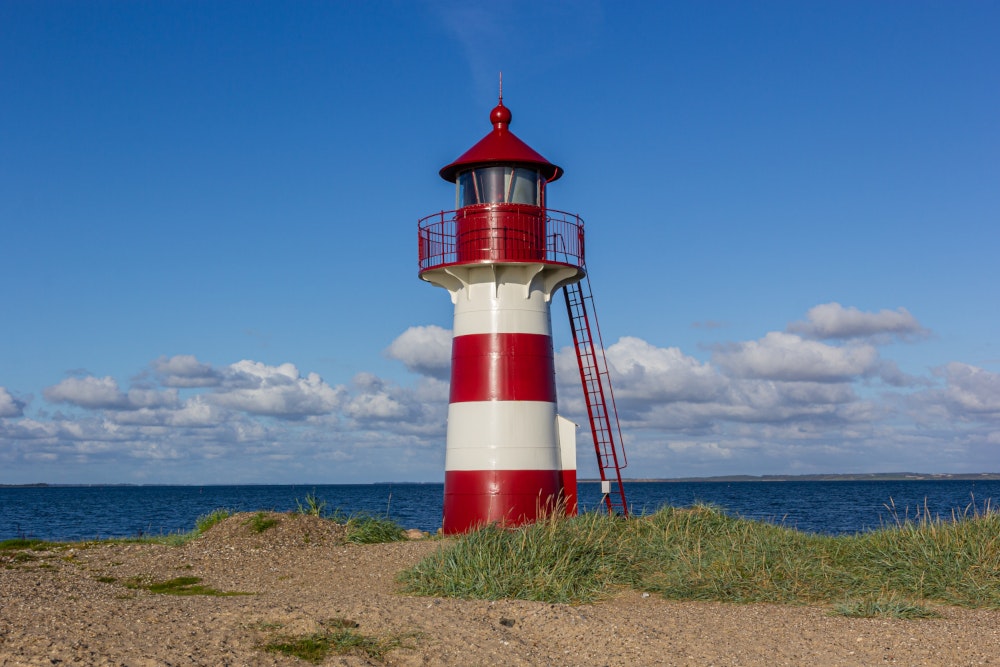
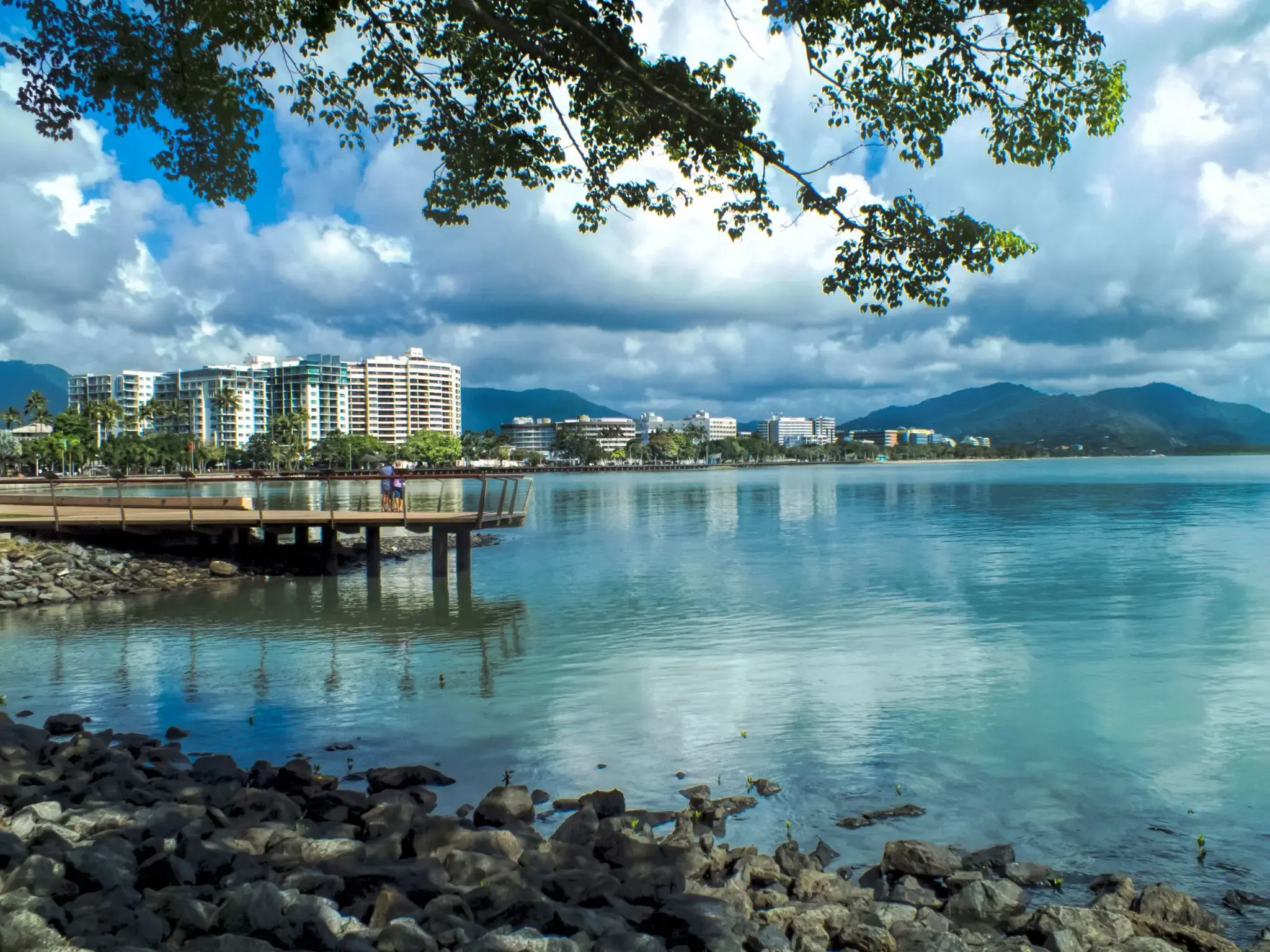
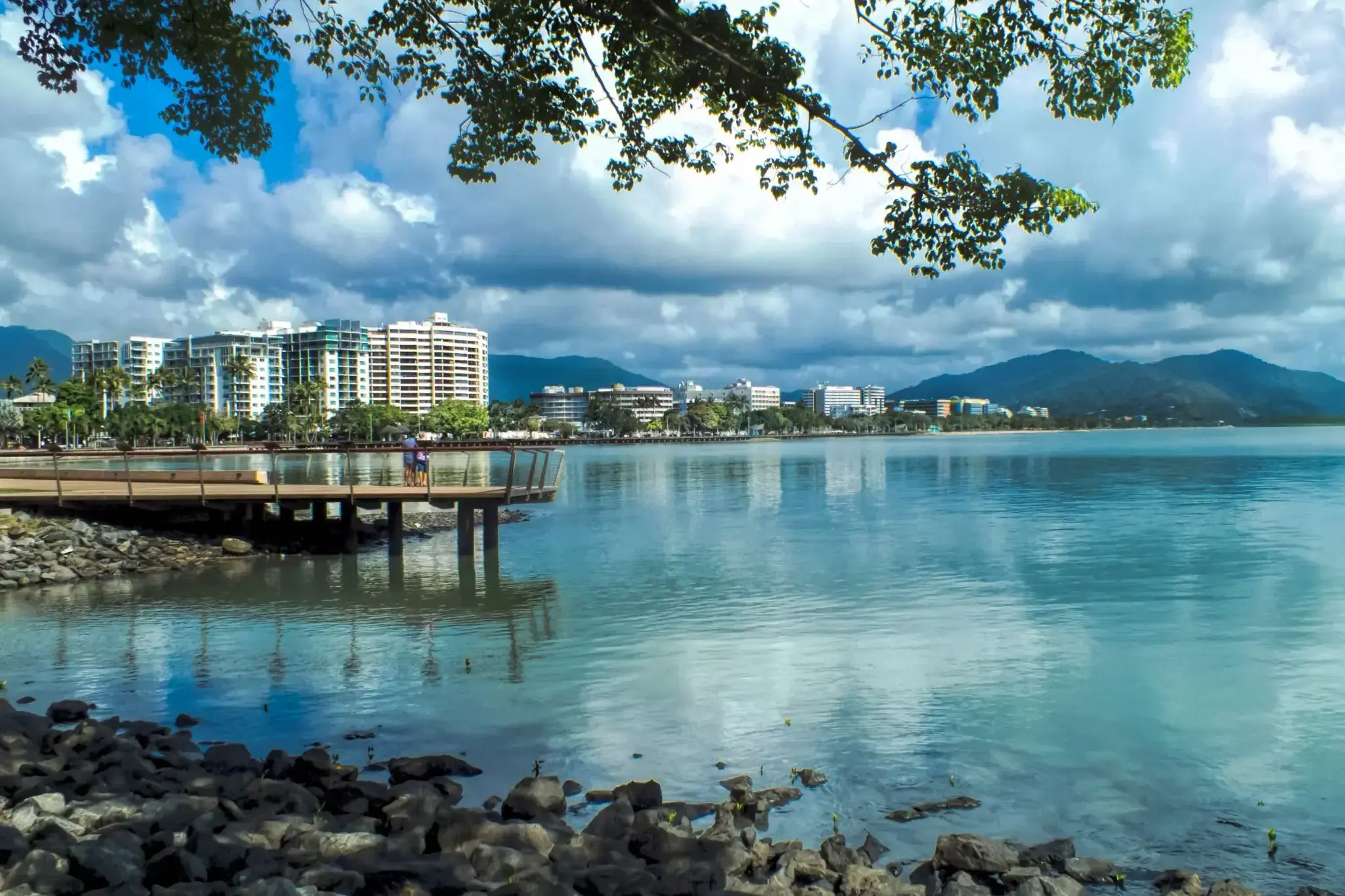
Cairns City is the suburb at the centre of Cairns in the local government area of Cairns Region, Queensland, Australia.It can also be referred to as the Cairns Central Business District (CBD). In the 2011 census, the population of Cairns City was 2,737 people.
Cairns City is the suburb at the centre of Cairns in the local government area of Cairns Region, Queensland, Australia.It can also be referred to as the Cairns Central Business District (CBD). In the 2011 census, the population of Cairns City was 2,737 people.
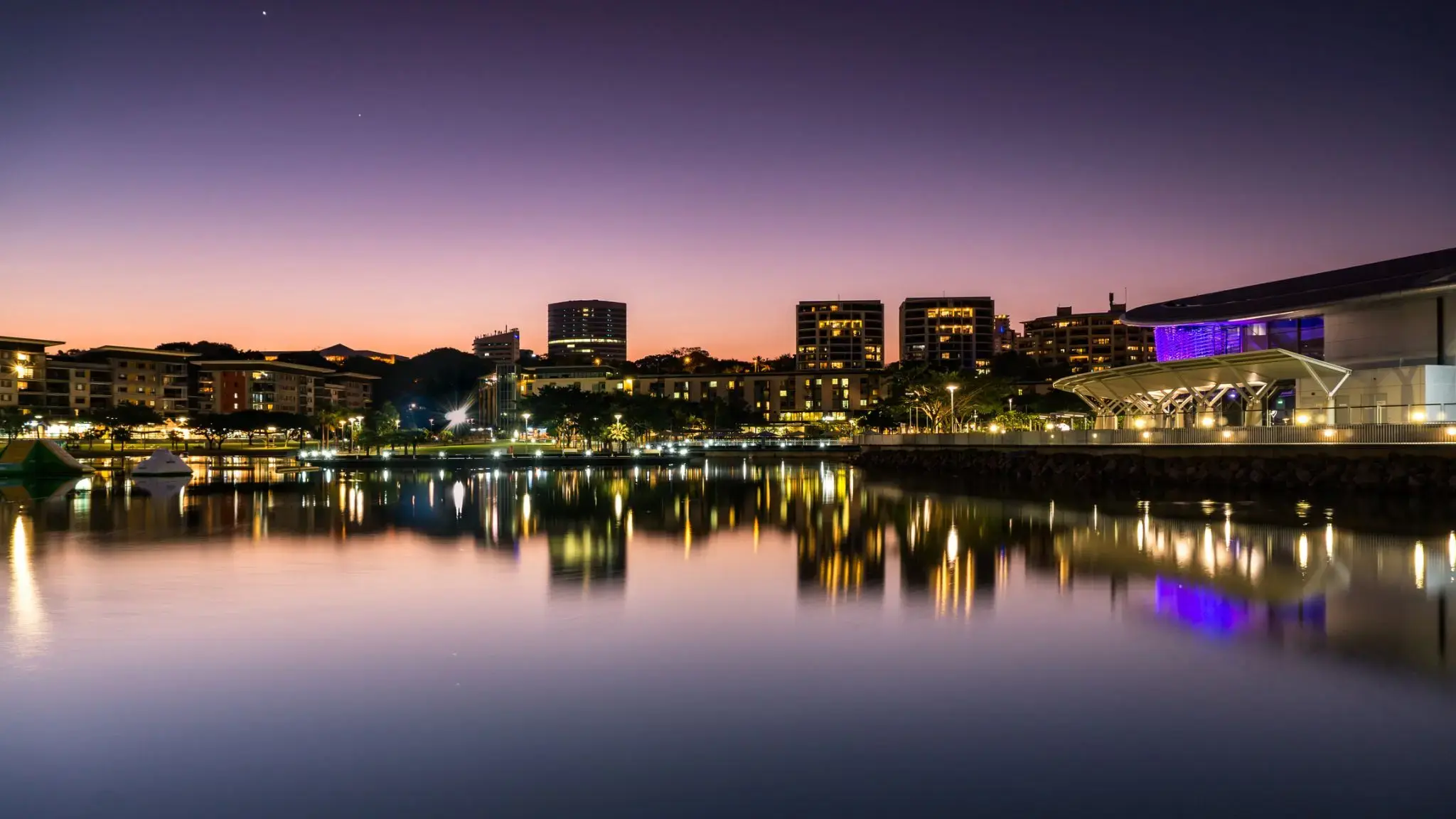
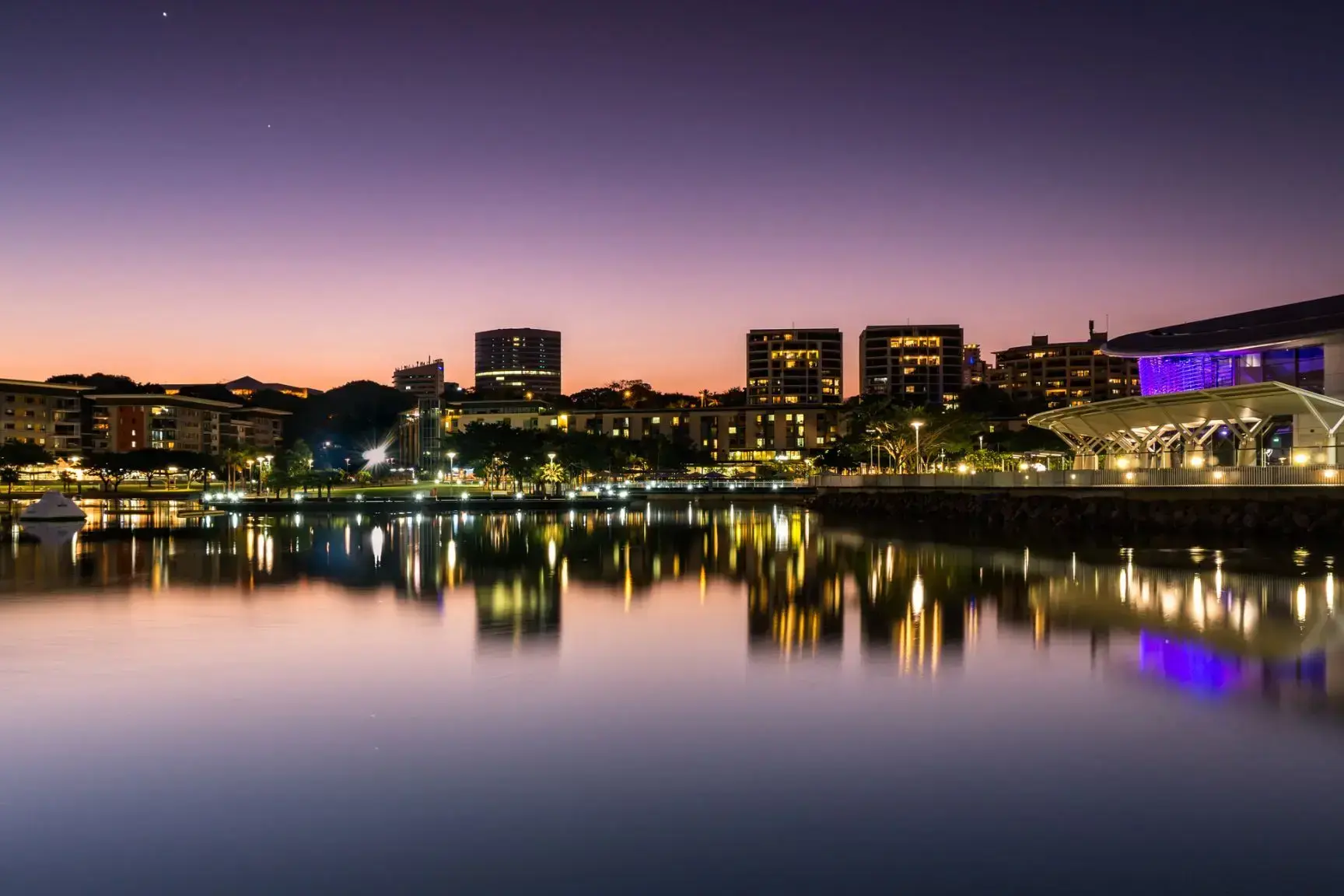
Darwin is the capital city of the Northern Territory of Australia, situated on the Timor Sea. It is the largest city in the sparsely populated Northern Territory, with a population of 145,916. It is the smallest and most northerly of the Australian capital cities, and acts as the Top End's regional centre.
Darwin is the capital city of the Northern Territory of Australia, situated on the Timor Sea. It is the largest city in the sparsely populated Northern Territory, with a population of 145,916. It is the smallest and most northerly of the Australian capital cities, and acts as the Top End's regional centre.
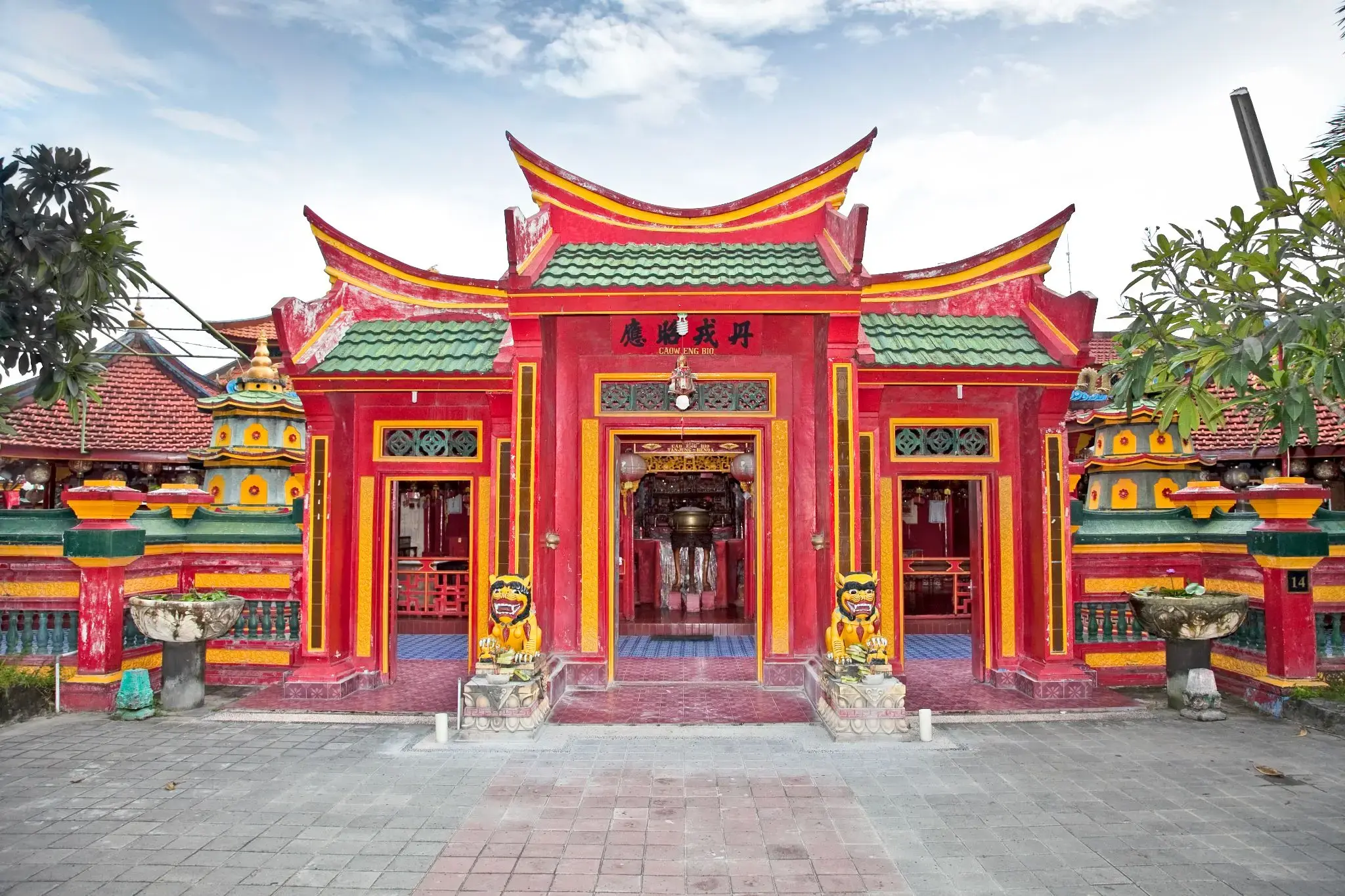
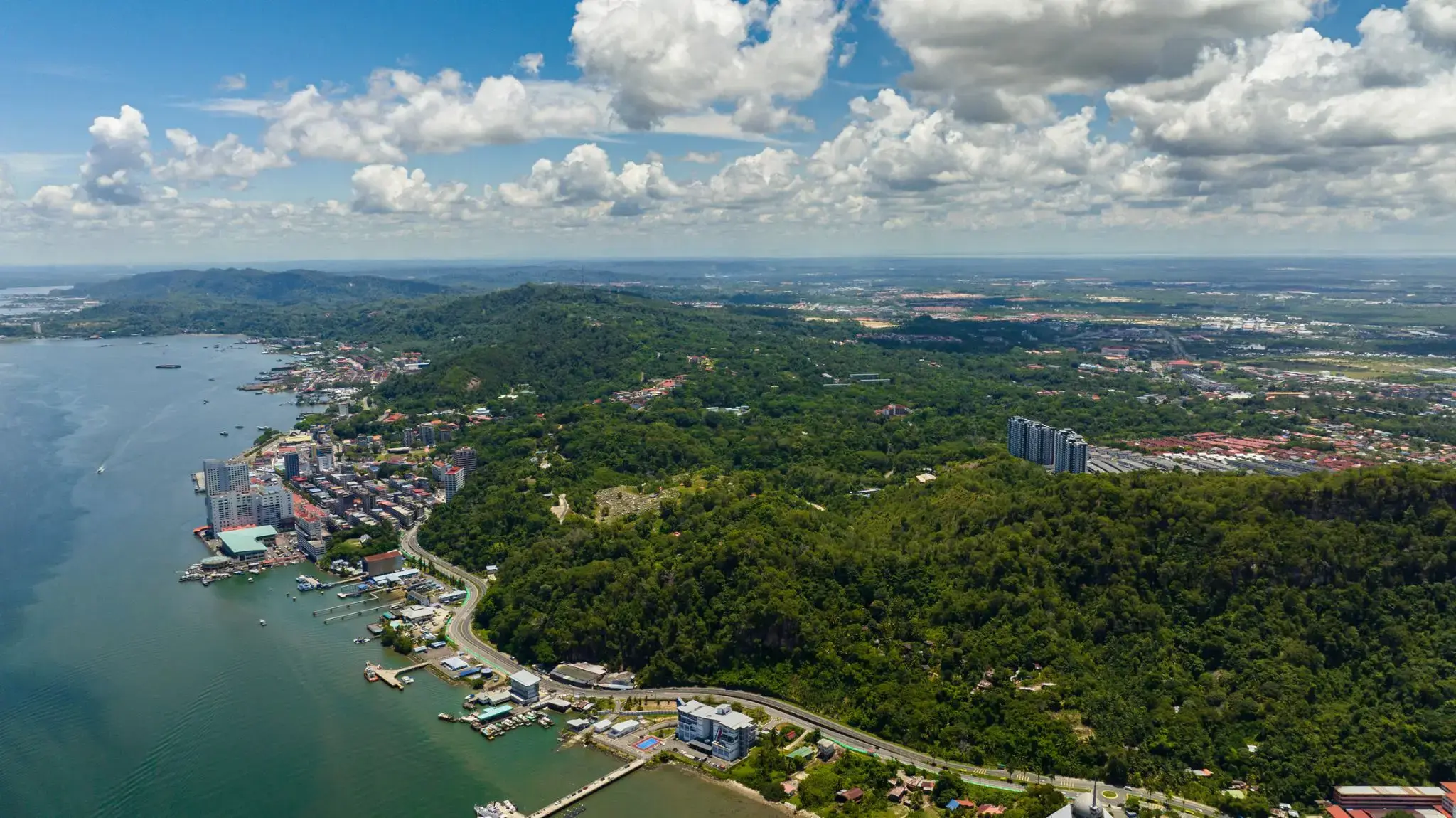
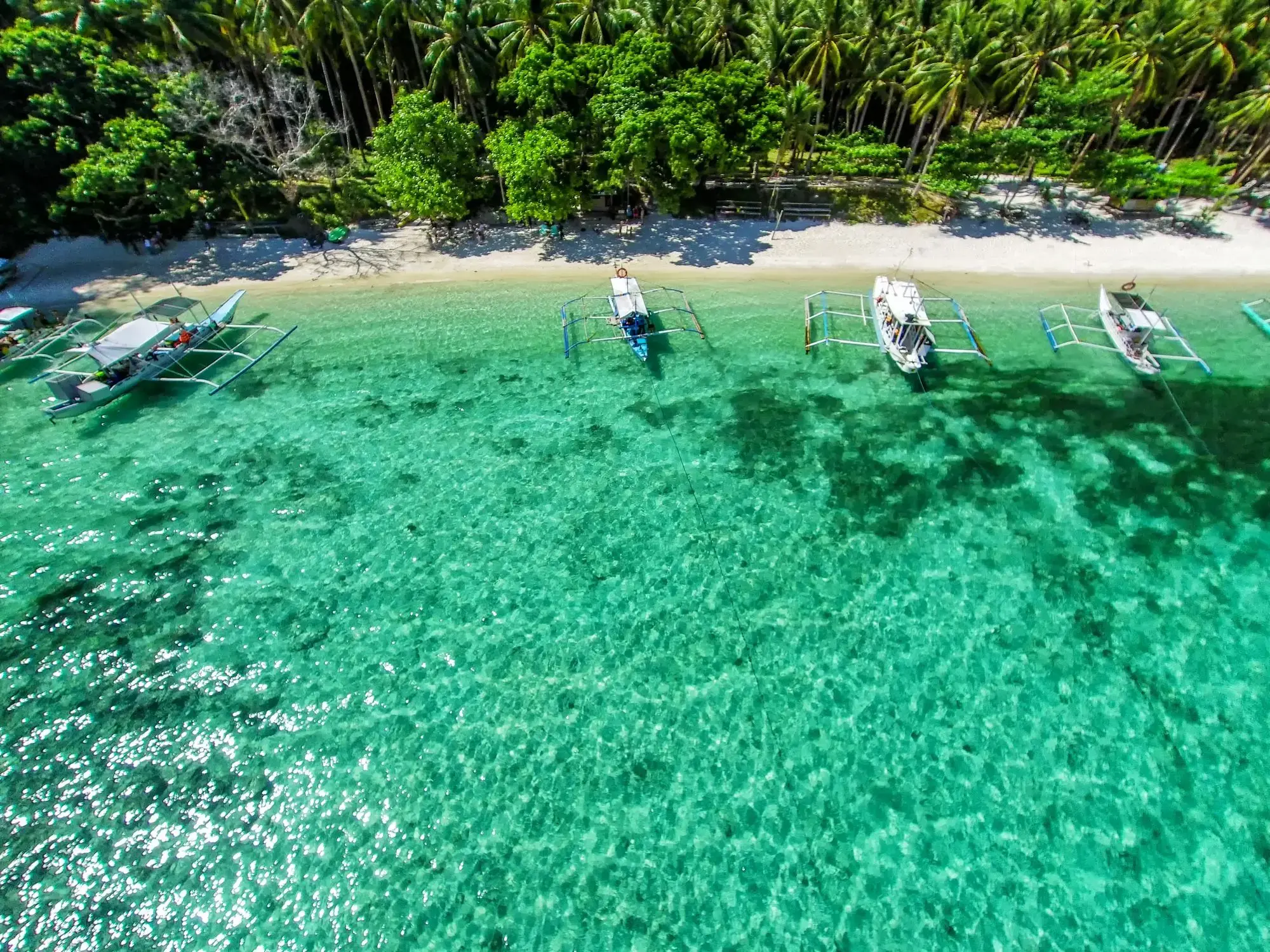
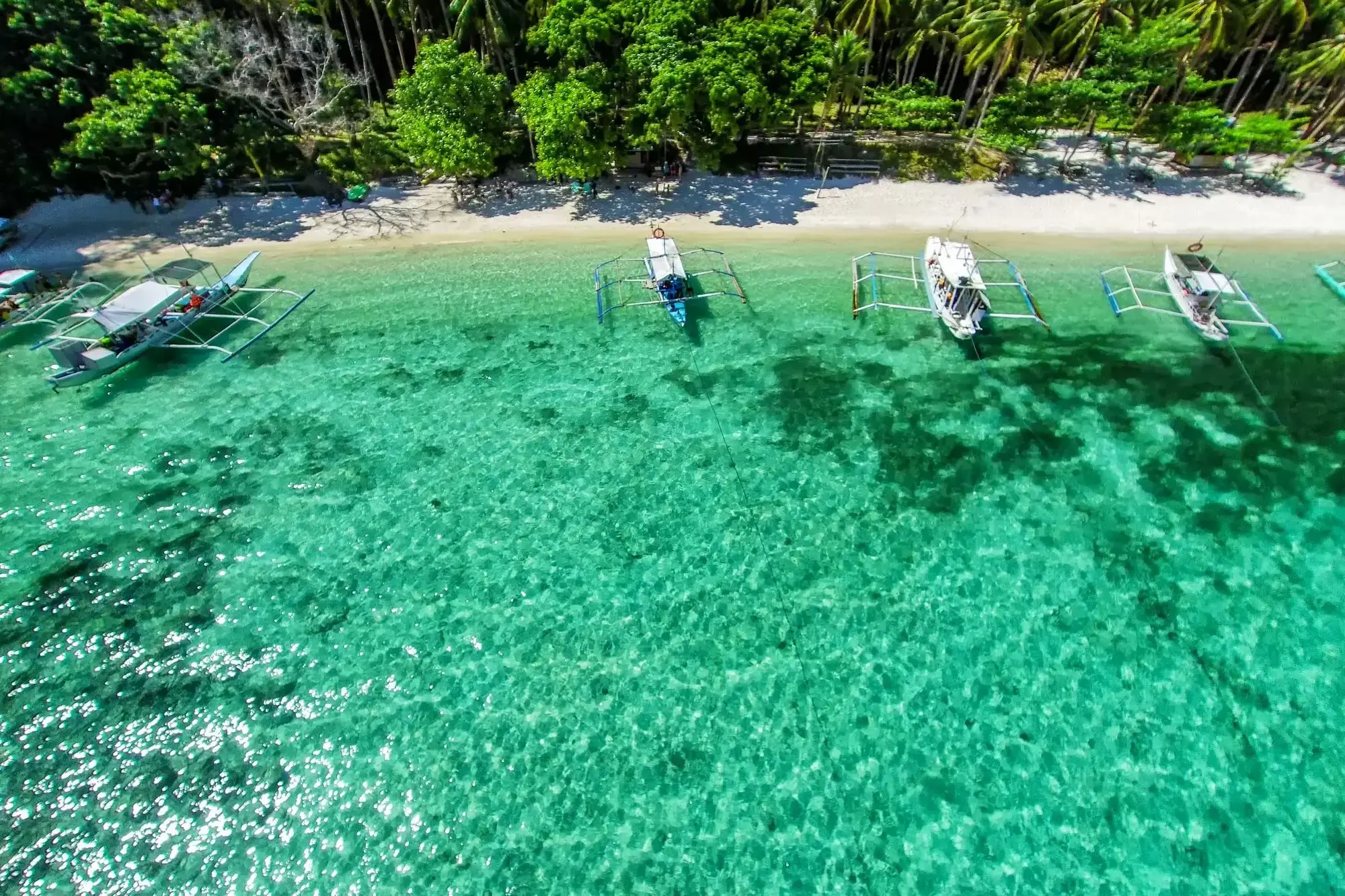
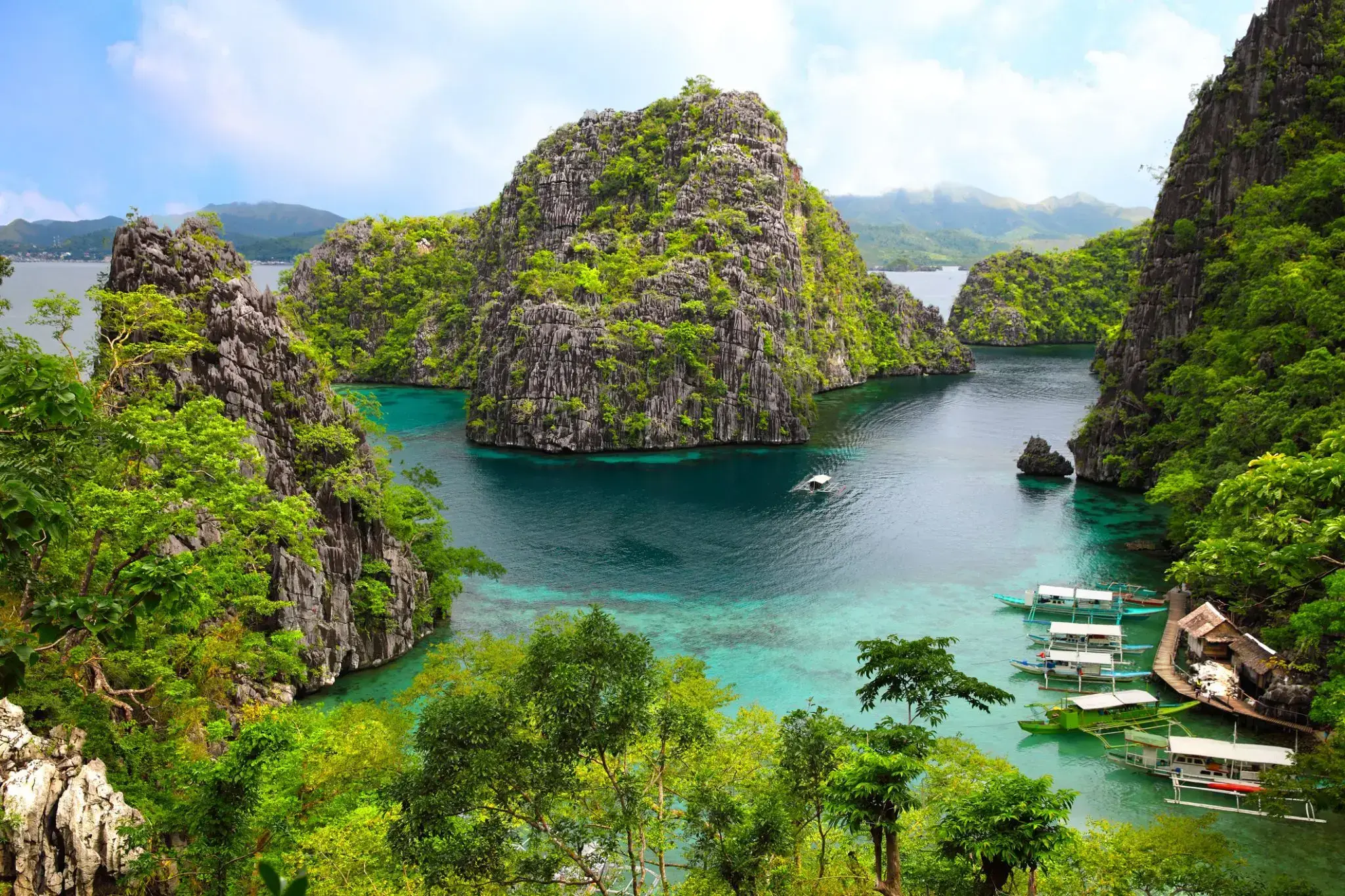
Puerto Princesa is a city on the island of Palawan in the Philippines, widely known for one of the natural wonders of the world — the Puerto Princesa Underground River, a UNESCO World Heritage Site. This subterranean system of caves and rivers, passing through limestone formations, attracts travelers from around the globe with the opportunity to ride a boat along the river and see stalactites, stalagmites, and a unique ecosystem. The city also serves as a starting point for exploring the breathtaking nature of Palawan: tropical forests, coastlines, and nature reserves.
In addition to its natural attractions, Puerto Princesa is known for its clean streets, friendly atmosphere, and well-developed tourist infrastructure. Here you can taste fresh seafood, visit night markets, or go on island-hopping tours in Honda Bay. The city actively promotes ecotourism, maintaining a balance between development and environmental preservation. For travelers seeking a combination of adventure, relaxation, and immersion in Filipino culture, Puerto Princesa is becoming an increasingly attractive destination.
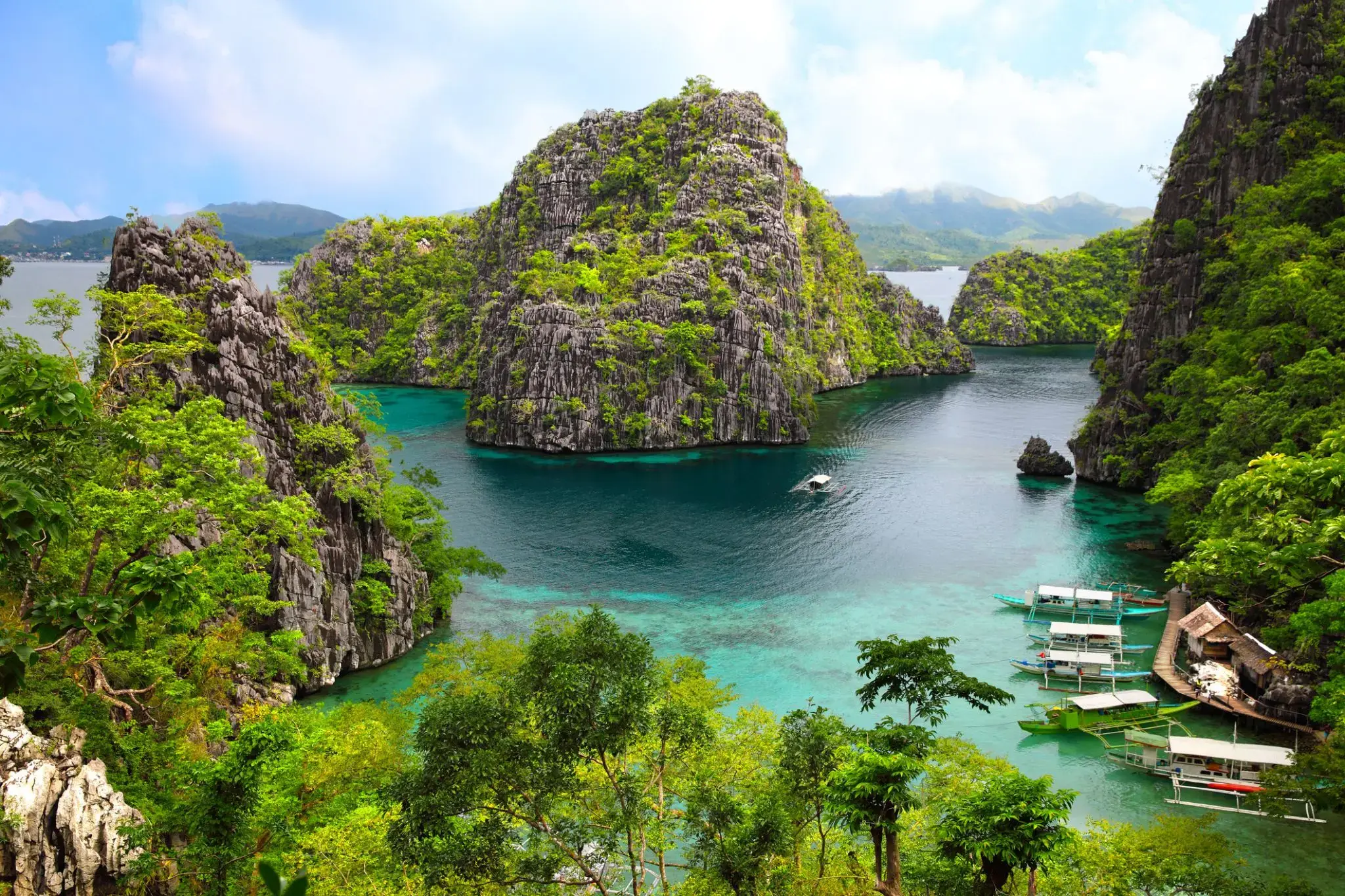
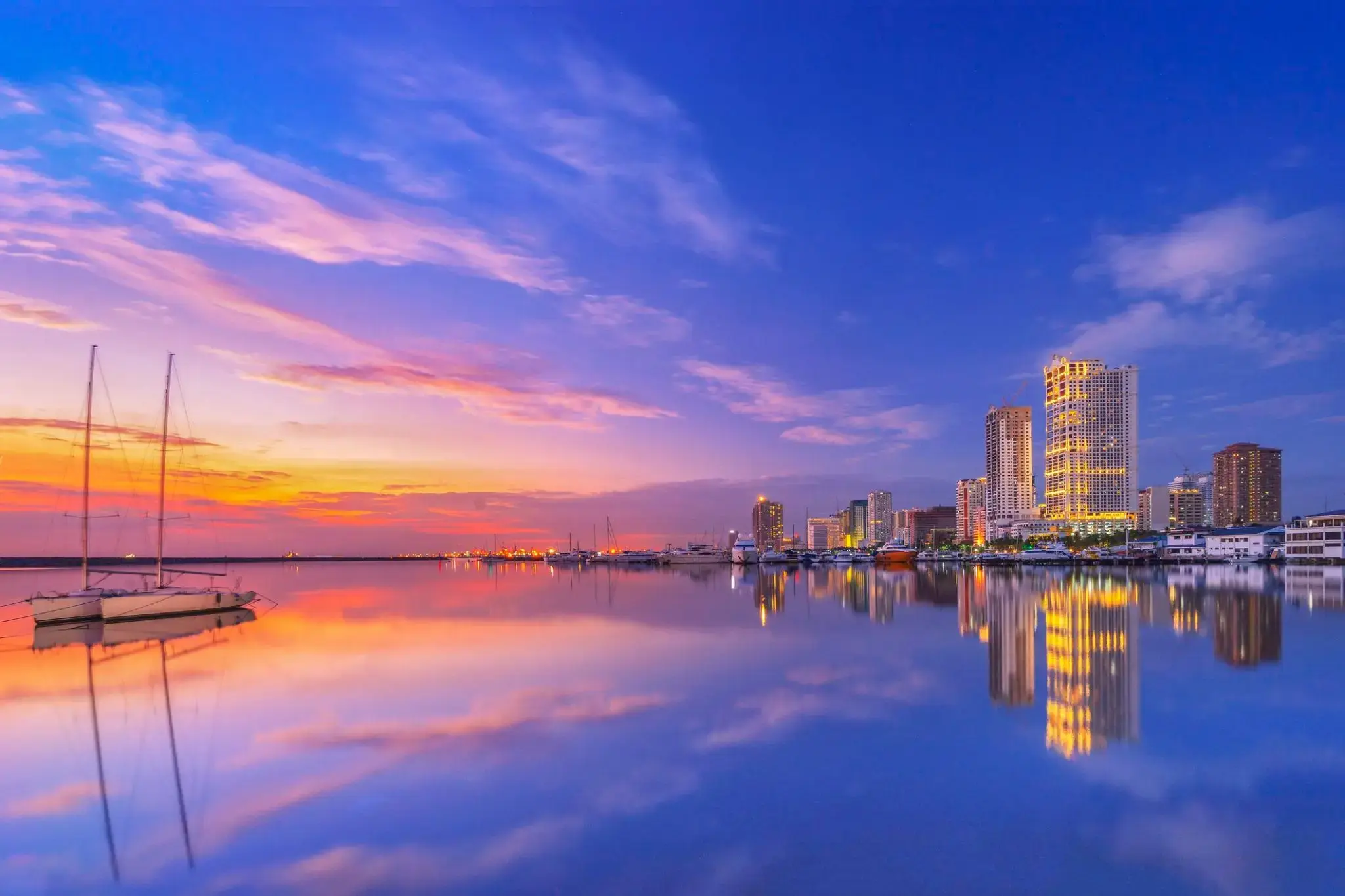
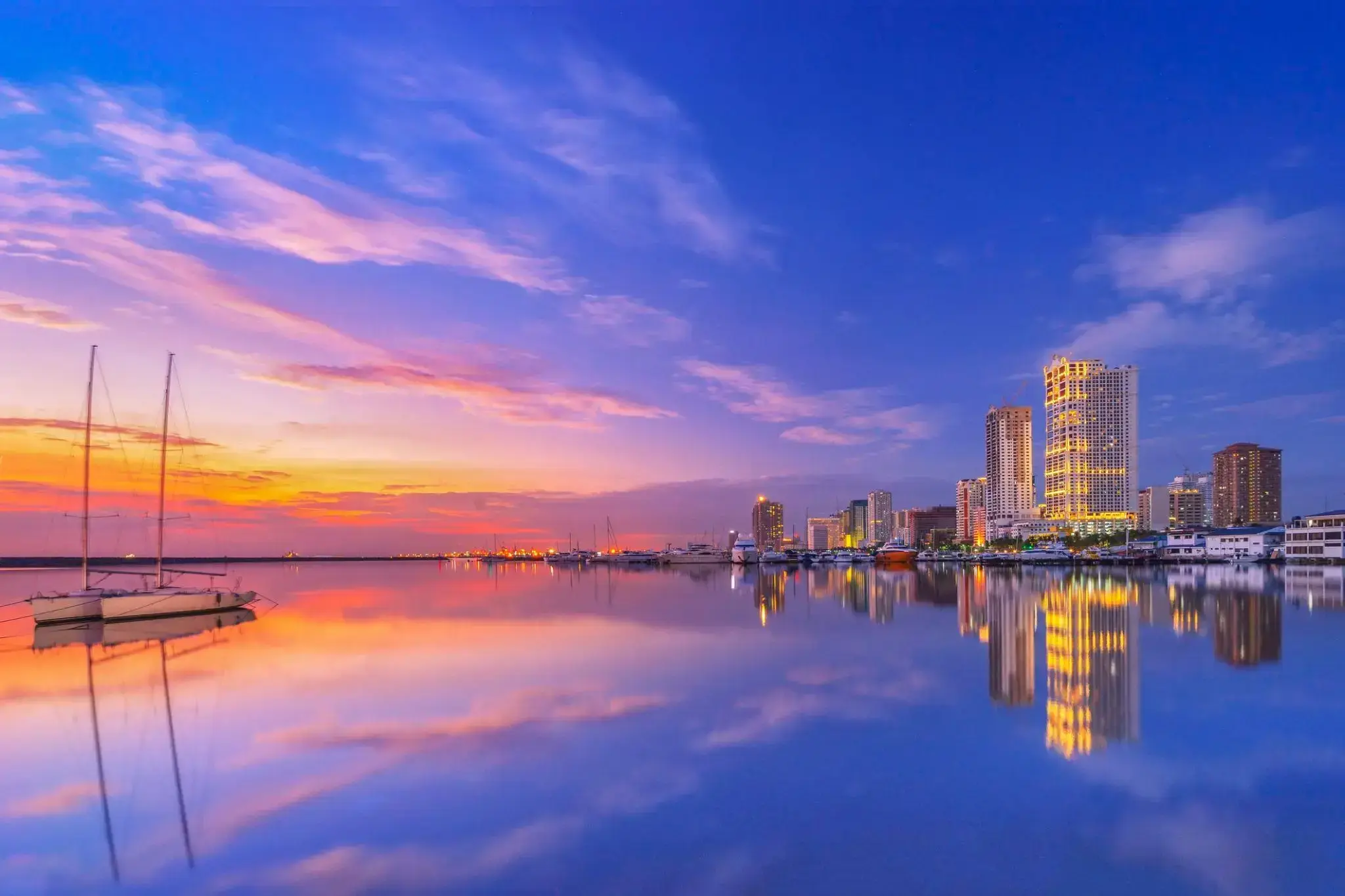
Manila, the capital of the Philippines, is located on the shores of Luzon Island and bordered by Manila Bay. Within the old city of Intramuros, built by the Spanish in 1571, you can find preserved Spanish architectural monuments and churches. The city is also home to the country's main port, which plays a vital role in the Philippine economy. Manila is famous for industries such as chemical, electronics, textiles, food production, and tobacco manufacturing.
For tourists, the Chinatown district is particularly interesting, where pearl and gold products can be purchased. Visitors can also explore various museums and basilicas and enjoy the beauty of Rizal Park. Moreover, Manila is a shopping paradise, offering all the world-famous brands at prices significantly lower than those in Europe.
Manila, the capital of the Philippines, is located on the shores of Luzon Island and bordered by Manila Bay. Within the old city of Intramuros, built by the Spanish in 1571, you can find preserved Spanish architectural monuments and churches. The city is also home to the country's main port, which plays a vital role in the Philippine economy. Manila is famous for industries such as chemical, electronics, textiles, food production, and tobacco manufacturing.
For tourists, the Chinatown district is particularly interesting, where pearl and gold products can be purchased. Visitors can also explore various museums and basilicas and enjoy the beauty of Rizal Park. Moreover, Manila is a shopping paradise, offering all the world-famous brands at prices significantly lower than those in Europe.

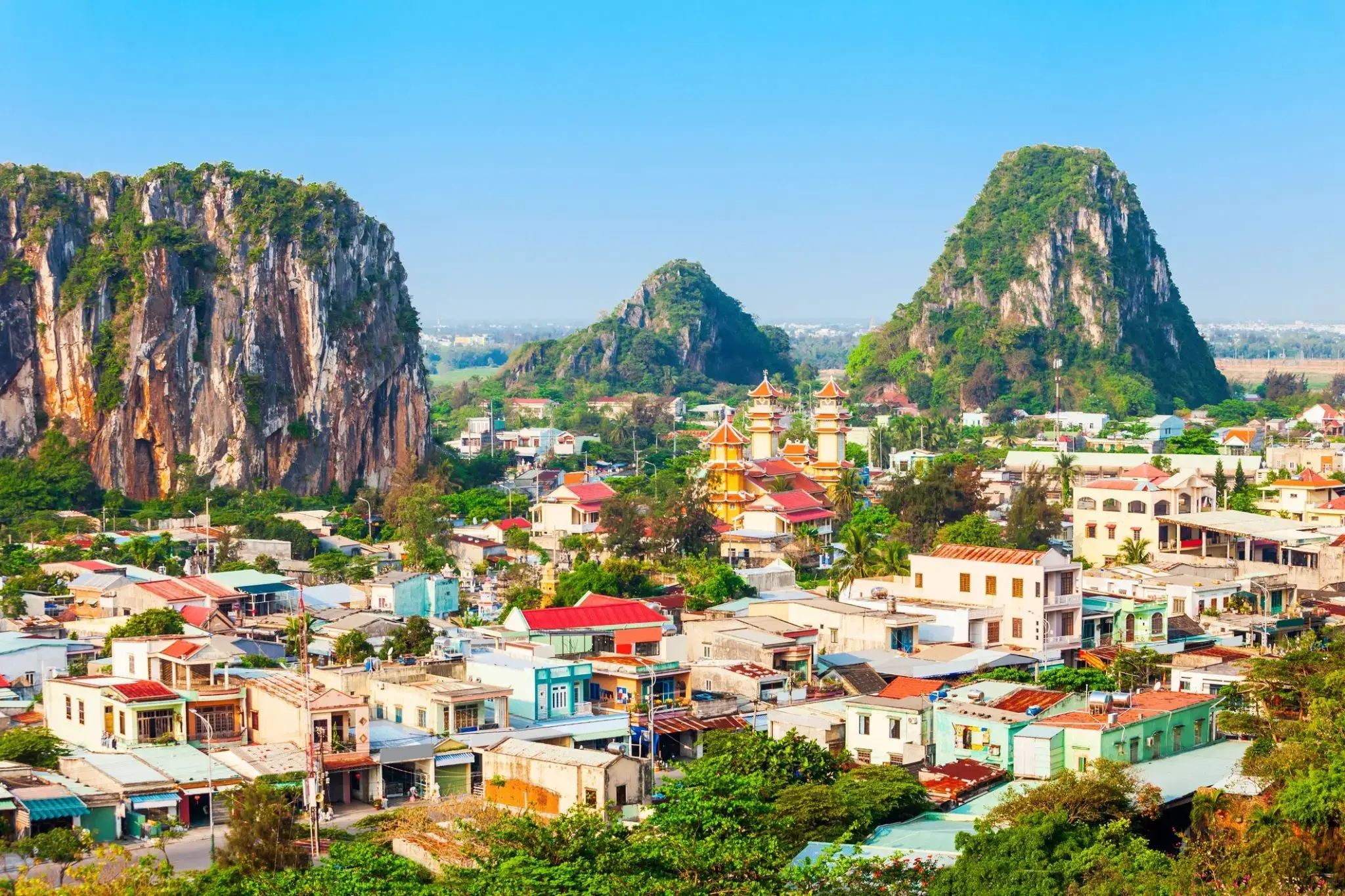
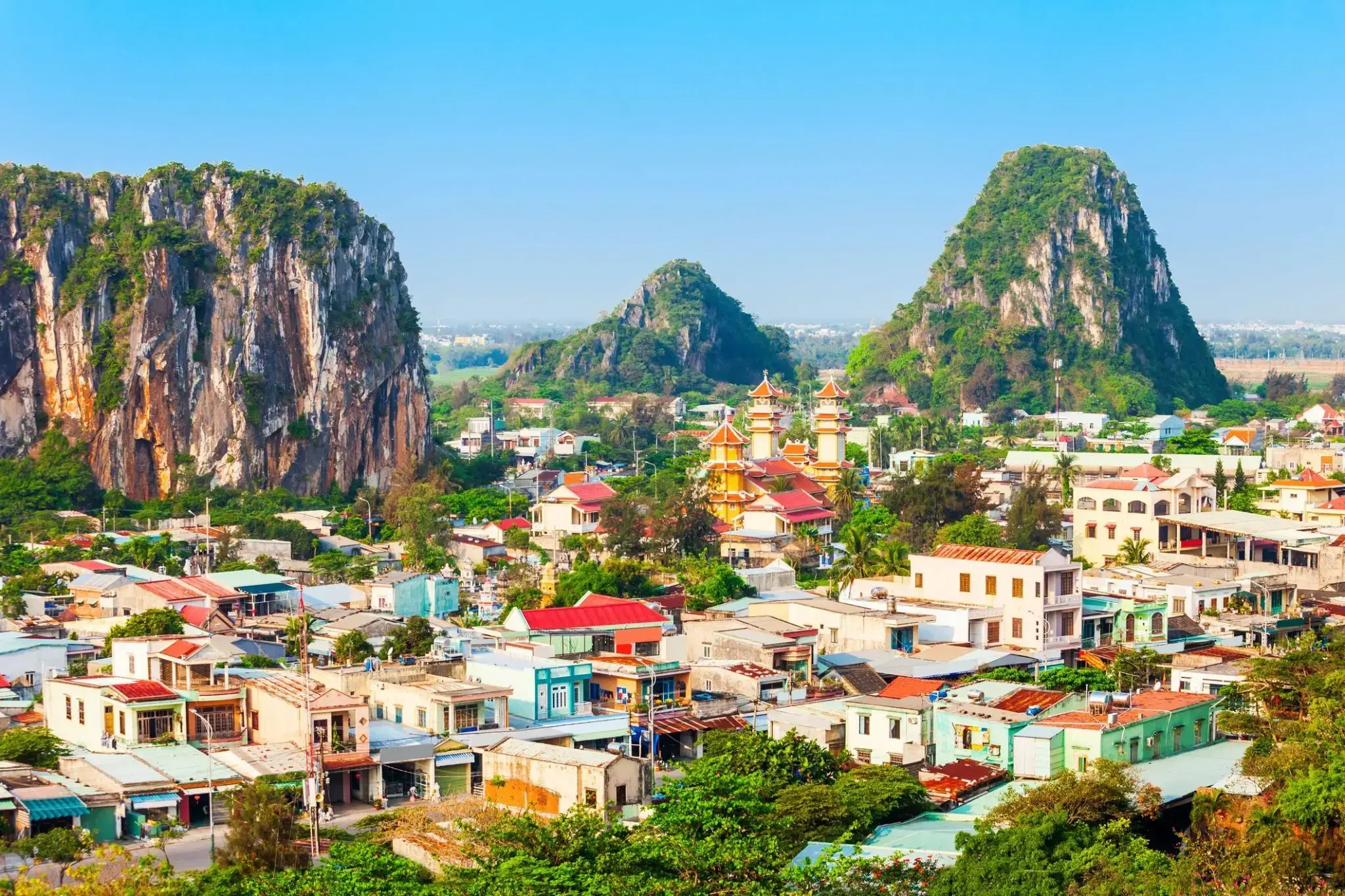
A warm sea breeze and soft sand make Da Nang the perfect place for those seeking seaside relaxation and lightness in every step. Here, modern cafés sit next to traditional markets, while the evening promenade fills with lights and the aroma of fresh seafood. You can enjoy long walks along My Khe and Non Nuoc beaches, ranked among Asia’s best, and discover cozy corners with Vietnamese coffee and the smiles of locals.
For lovers of history and nature, Da Nang offers unique routes to the Marble Mountains with caves and pagodas, providing breathtaking views of the coastline. From here, it is easy to reach the ancient town of Hoi An, preserving the atmosphere of the past, or to take a trip along the Hai Van Pass, where each turn reveals new panoramas of mountains and sea. The city combines a relaxing beach holiday with the chance to discover Vietnam’s beauty and breathe in the fresh sea air that fills you with energy and lightness.
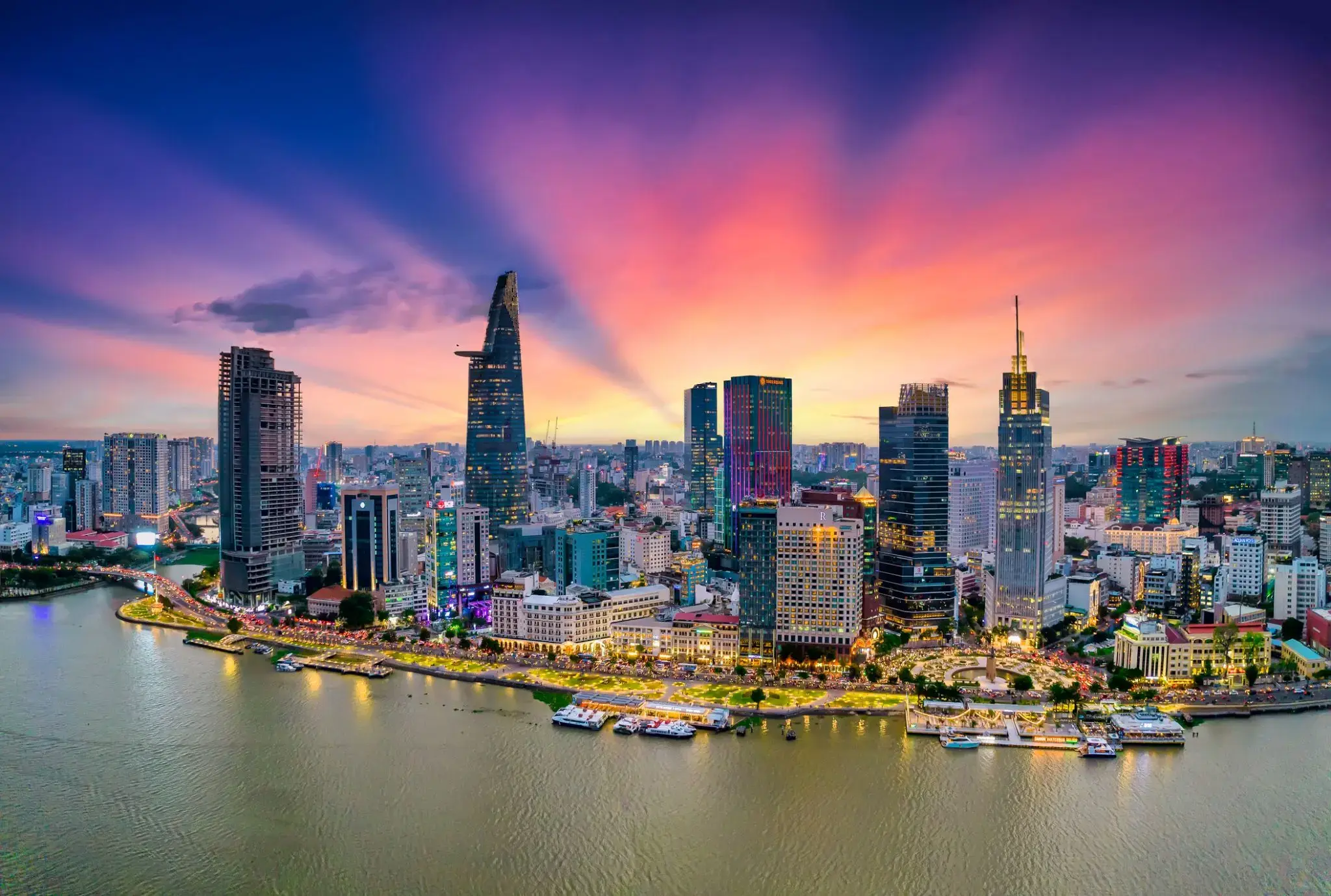
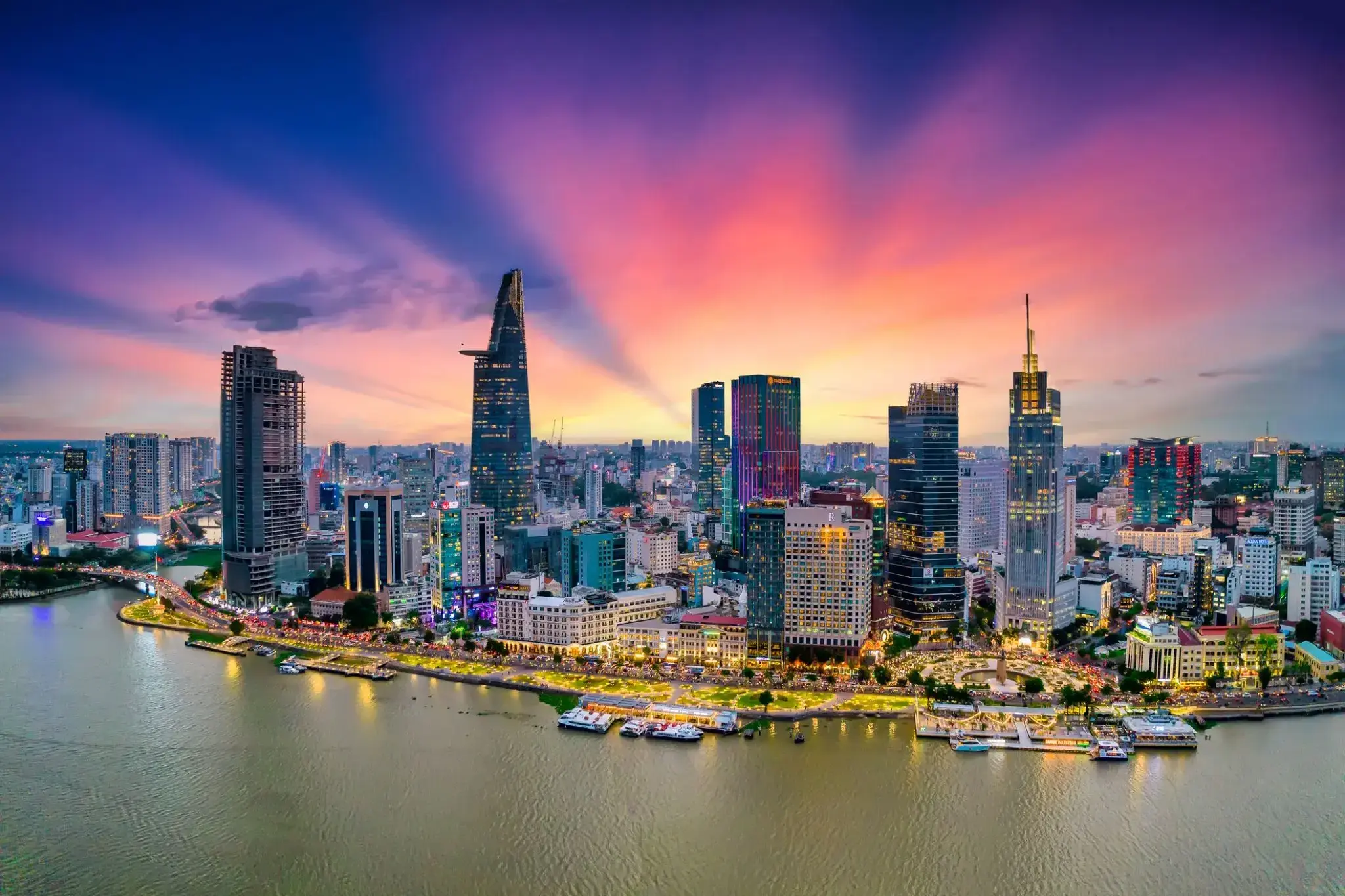
Ho Chi Minh City, also known by its former name of Saigon is the most populous city in Vietnam with a population of 8.4 million (13 million in the metropolitan area) as of 2017. Located in southeast Vietnam, the metropolis surrounds the Saigon River and covers about 2,061 square kilometres (796 square miles).
Under the name Saigon, it was the capital of French Indochina from 1887 to 1902 and again from 1945 to 1954. Saigon would later become the capital of South Vietnam from 1955 until its fall in 1975. On 2 July 1976, Saigon merged with the surrounding Gia Định Province and was officially renamed Ho Chi Minh City after revolutionary leader Hồ Chí Minh (although the name Sài Gòn is still widely used).
Ho Chi Minh City is the financial centre of Vietnam and is classifed as a Beta+ World City by Globalization and World Cities Research Network. It is home to the Ho Chi Minh City Stock Exchange, the largest stock exchange by total market capitalization in Vietnam and the headquarters of many national and international banks and companies.
Ho Chi Minh City is the most visited city in Vietnam, with 6.3 million visitors in 2017. Many of the city's landmarks which are well known to international visitors include the Bến Thành Market, Ho Chi Minh City Hall, Notre-Dame Cathedral Basilica of Saigon, Independence Palace and the Municipal Theatre. The main passenger airport serving the metropolitan area is Tan Son Nhat International Airport, it is the busiest airport in Vietnam handling 36 million passengers in 2017.
Ho Chi Minh City, also known by its former name of Saigon is the most populous city in Vietnam with a population of 8.4 million (13 million in the metropolitan area) as of 2017. Located in southeast Vietnam, the metropolis surrounds the Saigon River and covers about 2,061 square kilometres (796 square miles).
Under the name Saigon, it was the capital of French Indochina from 1887 to 1902 and again from 1945 to 1954. Saigon would later become the capital of South Vietnam from 1955 until its fall in 1975. On 2 July 1976, Saigon merged with the surrounding Gia Định Province and was officially renamed Ho Chi Minh City after revolutionary leader Hồ Chí Minh (although the name Sài Gòn is still widely used).
Ho Chi Minh City is the financial centre of Vietnam and is classifed as a Beta+ World City by Globalization and World Cities Research Network. It is home to the Ho Chi Minh City Stock Exchange, the largest stock exchange by total market capitalization in Vietnam and the headquarters of many national and international banks and companies.
Ho Chi Minh City is the most visited city in Vietnam, with 6.3 million visitors in 2017. Many of the city's landmarks which are well known to international visitors include the Bến Thành Market, Ho Chi Minh City Hall, Notre-Dame Cathedral Basilica of Saigon, Independence Palace and the Municipal Theatre. The main passenger airport serving the metropolitan area is Tan Son Nhat International Airport, it is the busiest airport in Vietnam handling 36 million passengers in 2017.
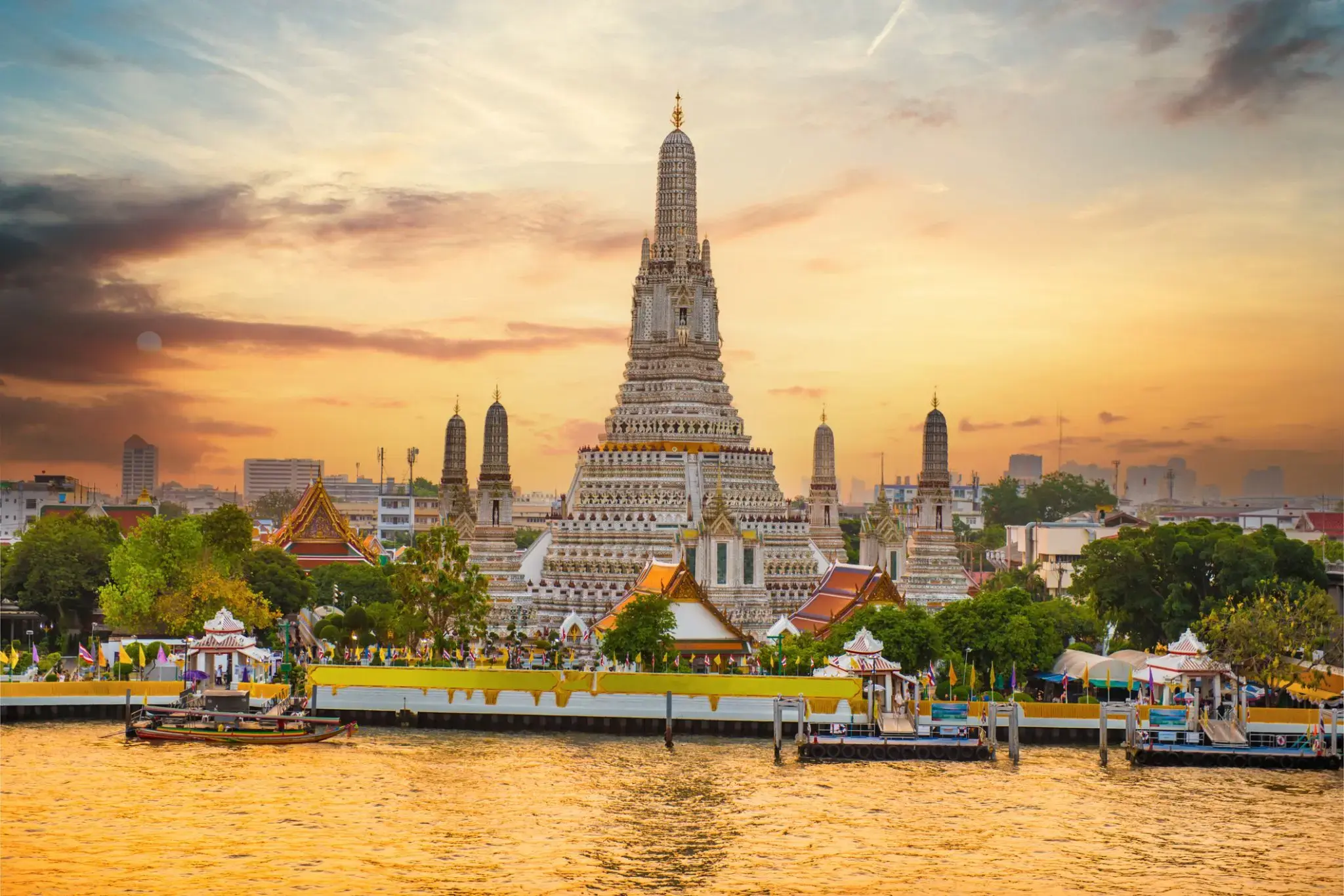
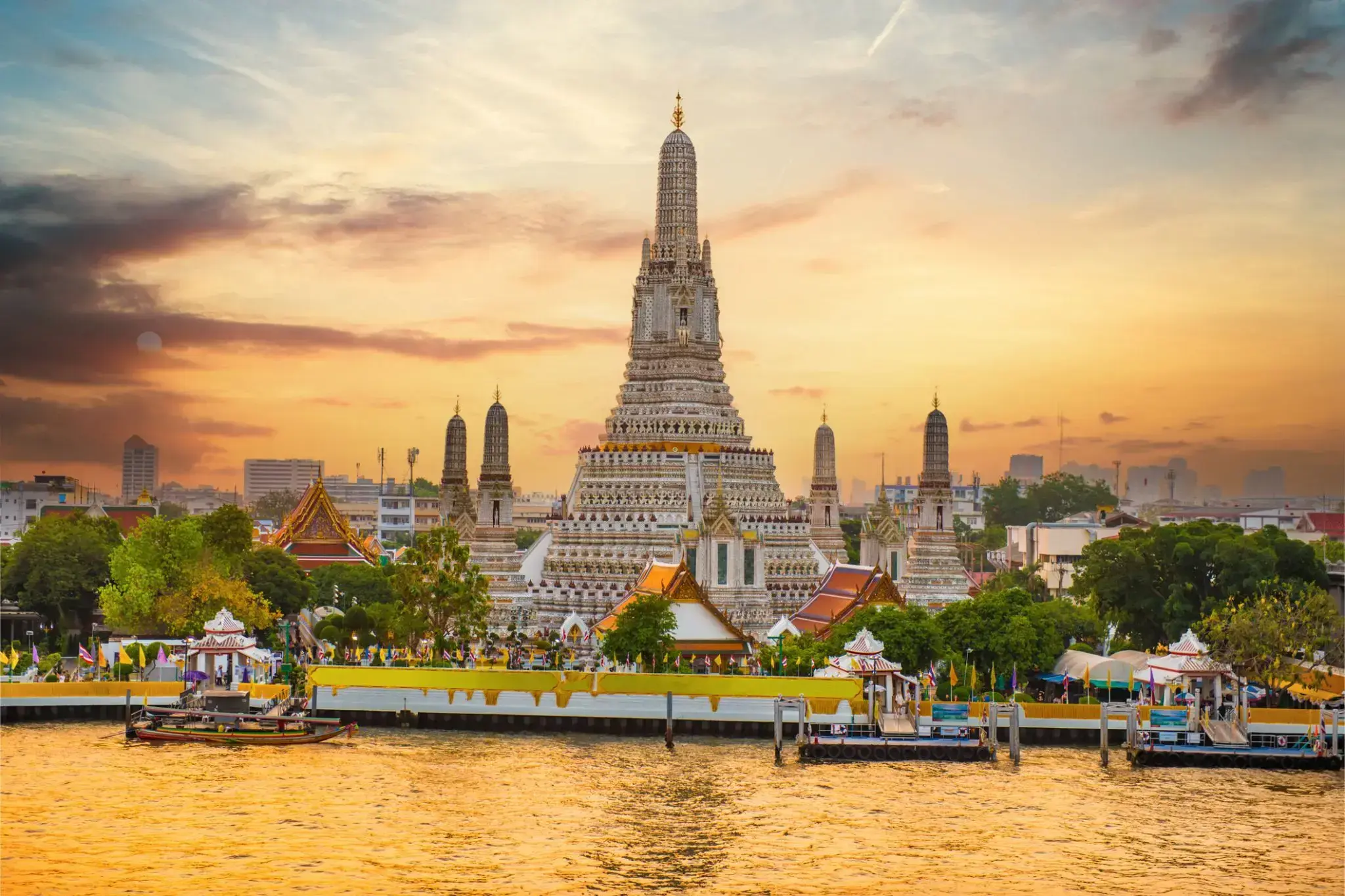
Bangkok is the capital and most populous city of Thailand. It is known in Thai as Krung Thep Maha Nakhon or simply Krung Thep. The city occupies 1,568.7 square kilometres (605.7 sq mi) in the Chao Phraya River delta in central Thailand, and has a population of over eight million, or 12.6 percent of the country's population. Over fourteen million people (22.2 percent) lived within the surrounding Bangkok Metropolitan Region at the 2010 census, making Bangkok the nation's primate city, significantly dwarfing Thailand's other urban centres in terms of importance.
Bangkok is the capital and most populous city of Thailand. It is known in Thai as Krung Thep Maha Nakhon or simply Krung Thep. The city occupies 1,568.7 square kilometres (605.7 sq mi) in the Chao Phraya River delta in central Thailand, and has a population of over eight million, or 12.6 percent of the country's population. Over fourteen million people (22.2 percent) lived within the surrounding Bangkok Metropolitan Region at the 2010 census, making Bangkok the nation's primate city, significantly dwarfing Thailand's other urban centres in terms of importance.
Bangkok is the capital and most populous city of Thailand. It is known in Thai as Krung Thep Maha Nakhon or simply Krung Thep. The city occupies 1,568.7 square kilometres (605.7 sq mi) in the Chao Phraya River delta in central Thailand, and has a population of over eight million, or 12.6 percent of the country's population. Over fourteen million people (22.2 percent) lived within the surrounding Bangkok Metropolitan Region at the 2010 census, making Bangkok the nation's primate city, significantly dwarfing Thailand's other urban centres in terms of importance.
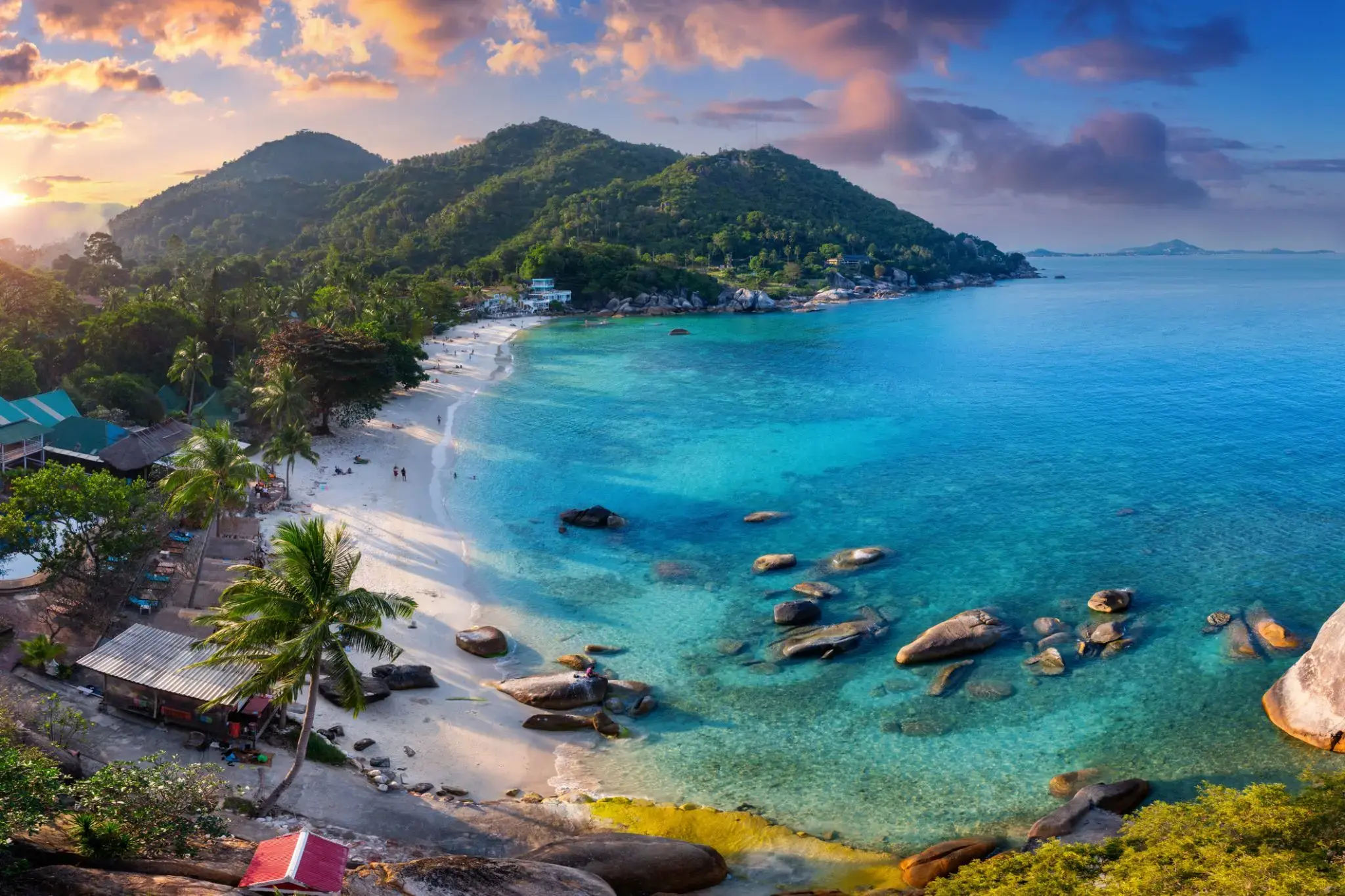
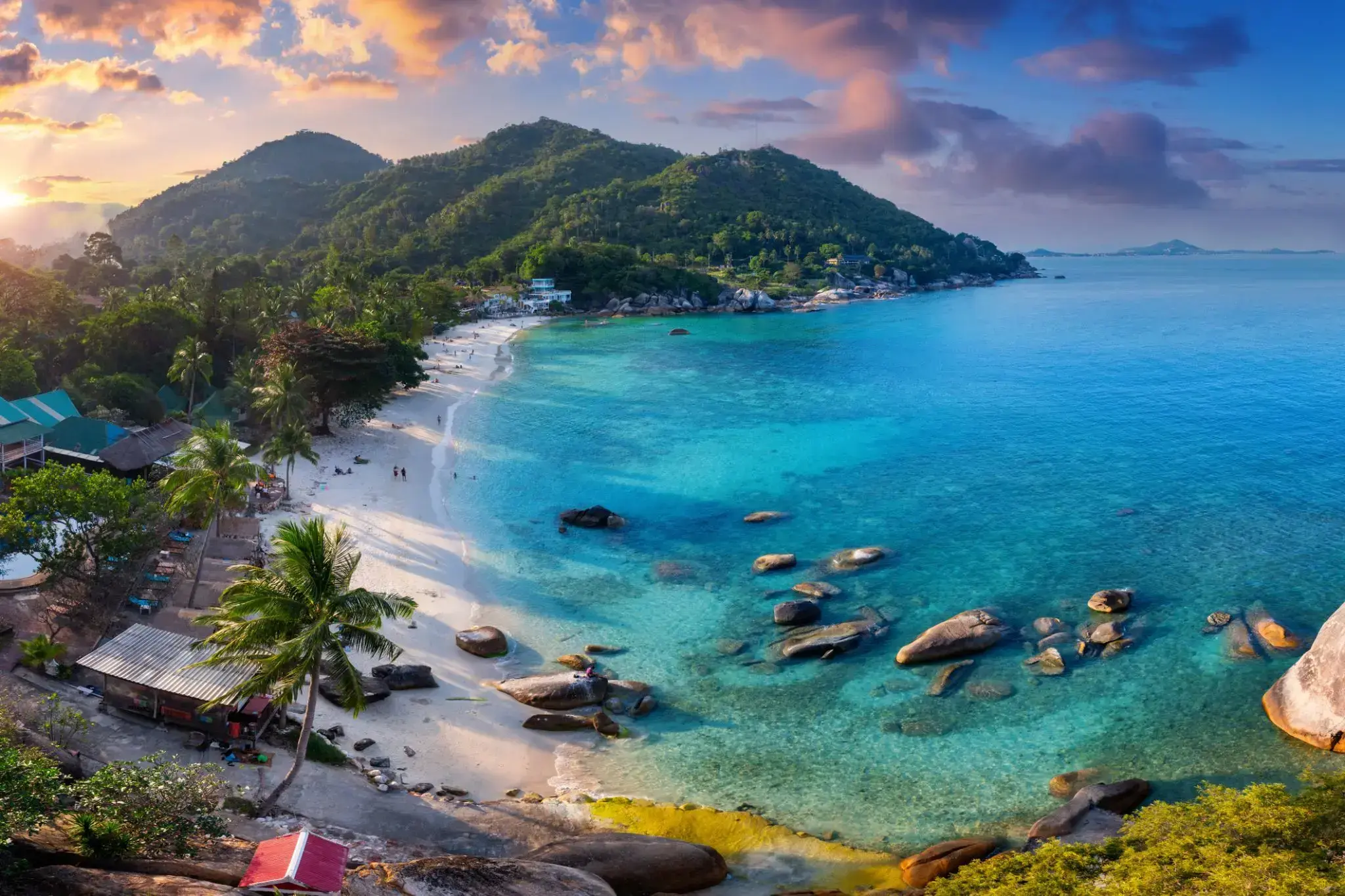
Among the tropical islands of Thailand, Koh Samui stands out with its unique nature and atmosphere. This island attracts travelers from all over the world with its white sandy beaches, picturesque waterfalls, and dense jungles. It's an ideal place for relaxation, whether it’s engaging in water sports, exploring nature, or simply enjoying peace and beauty.
Moreover, Koh Samui is known for its cultural heritage, including many Buddhist temples and sanctuaries. One of the most famous is the Big Buddha Temple, which is not only a religious center but also one of the island's main attractions. The local cuisine, featuring fresh seafood and exotic fruits, will make the trip even more exciting and delicious.
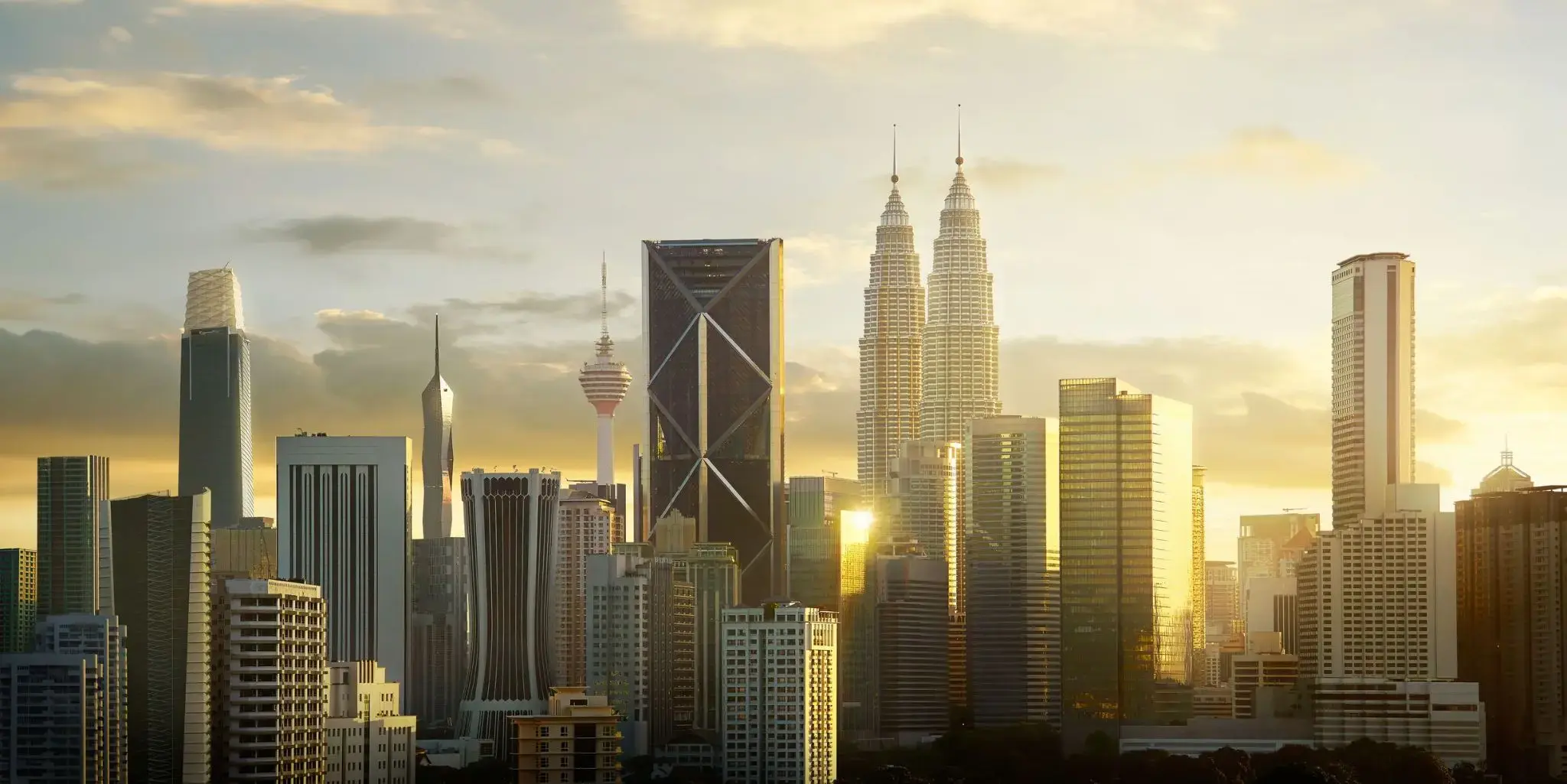
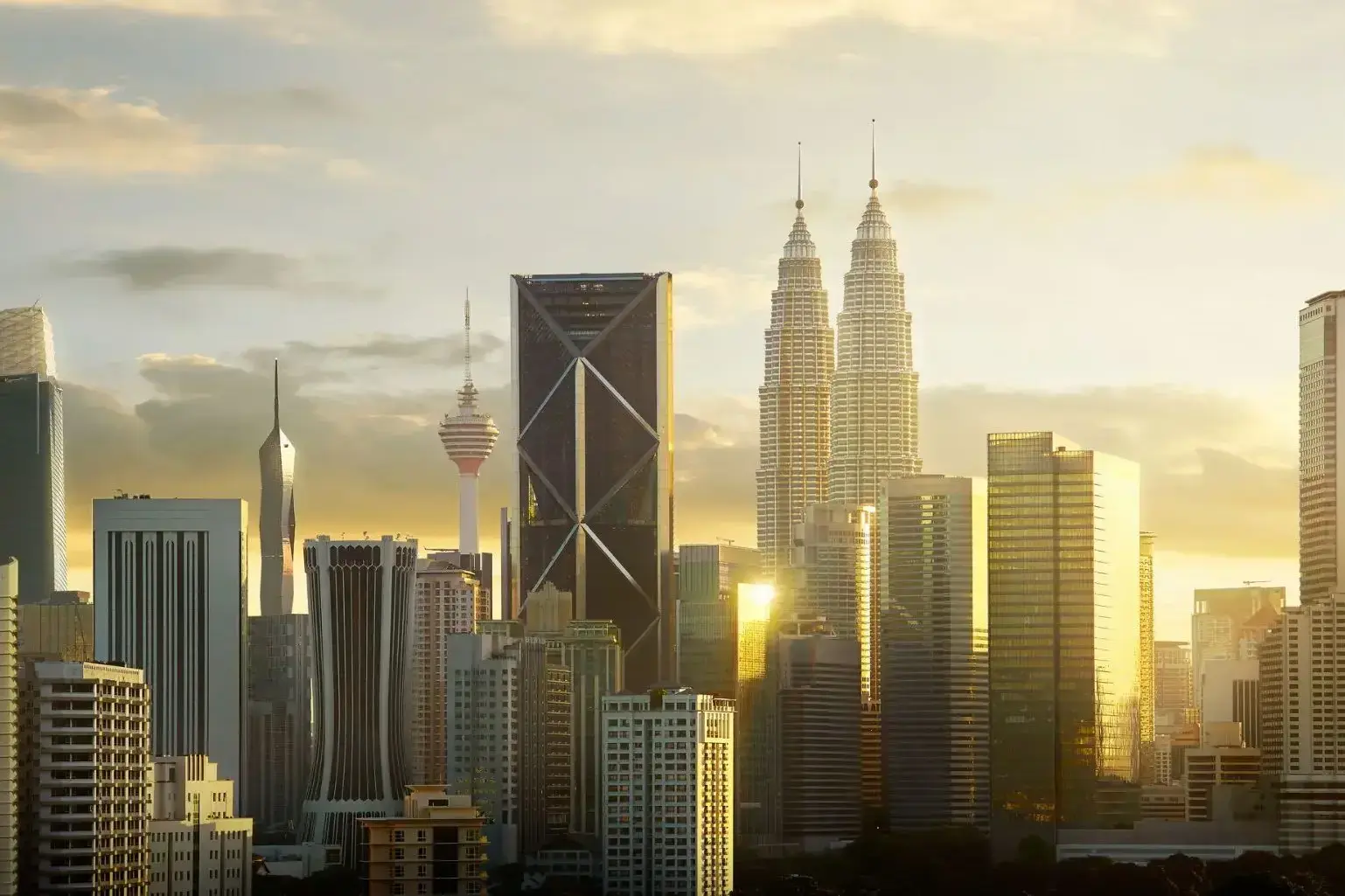
Kuala Lumpur is the dynamic capital of Malaysia, where futuristic skyscrapers stand alongside colonial buildings and traditional markets. The city emerged in the mid-19th century at the confluence of the Klang and Gombak rivers as a mining settlement and has since evolved into the nation's largest economic and cultural hub. Its iconic landmark is the Petronas Twin Towers, once the tallest buildings in the world, which remain a symbol of Malaysian progress and innovation.
For tourists, Kuala Lumpur offers a diverse array of experiences: from a morning stroll through the colonial-era Merdeka Square to evening shopping in the ultra-modern Bukit Bintang district. Visitors can explore the Islamic Arts Museum, savor street food in the Jalan Alor area, visit the Hindu temple in the Batu Caves, or relax under tropical trees in the Lake Gardens. The city, enriched by Malay, Chinese, and Indian cultures, invites exploration through its architecture, cuisine, and the rhythm of contemporary life.
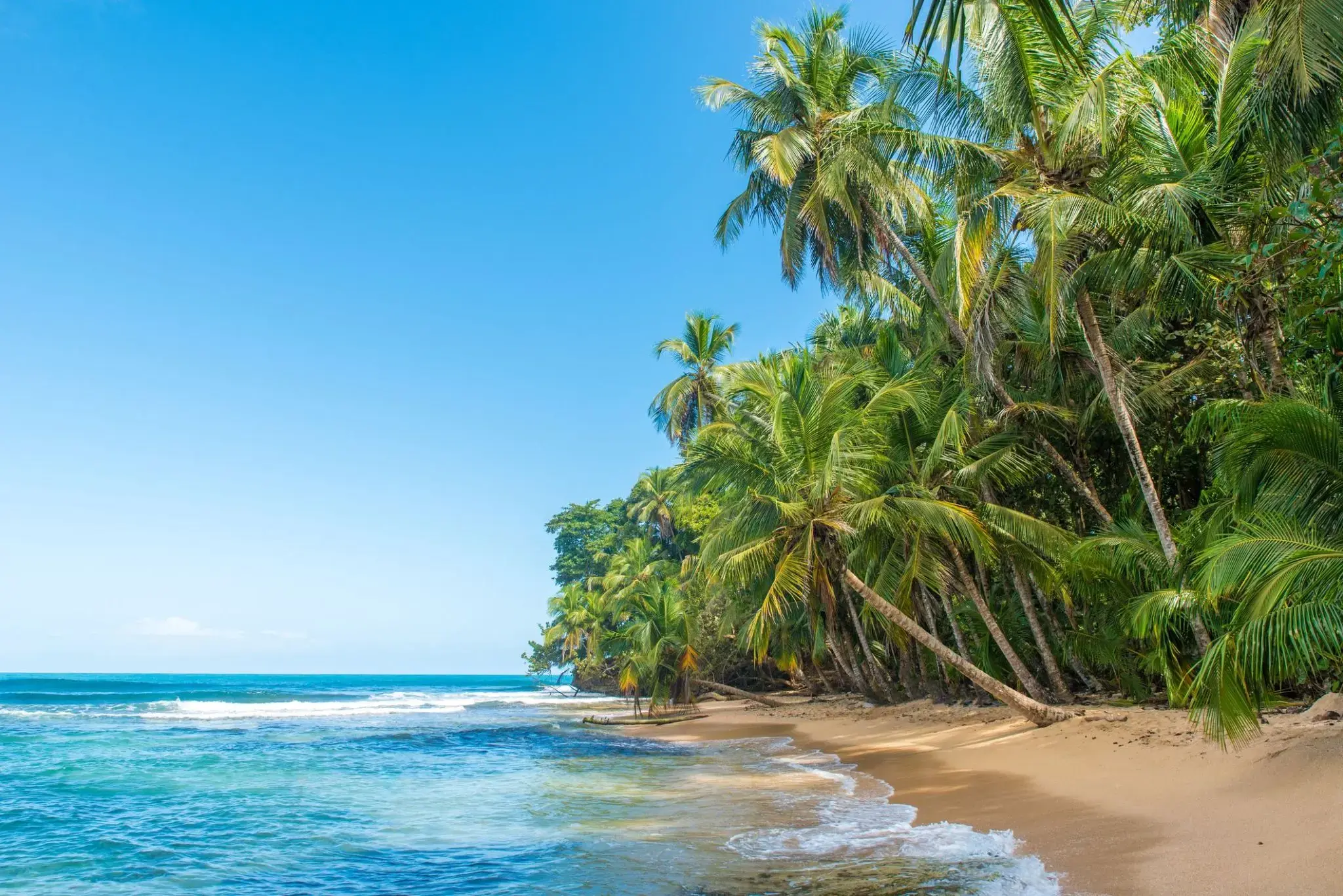
Hidden on the southern coast of Sri Lanka, Hambantota serves as a gateway to a region where exotic nature meets the country's modern ambitions. Deserted beaches give way to green hills, and cozy fishing villages sit alongside major infrastructure projects, including a modern port and airport, making the city a key strategic hub.
Hambantota is perfect for travelers seeking off-the-beaten-path adventures: safaris in nearby Yala National Park, birdwatching in the Bundala sanctuary, or exploring local Buddhist temples offer unforgettable experiences. The local cuisine, based on the freshest seafood and fragrant spices, completes the picture of an ideal retreat away from the tourist crowds.
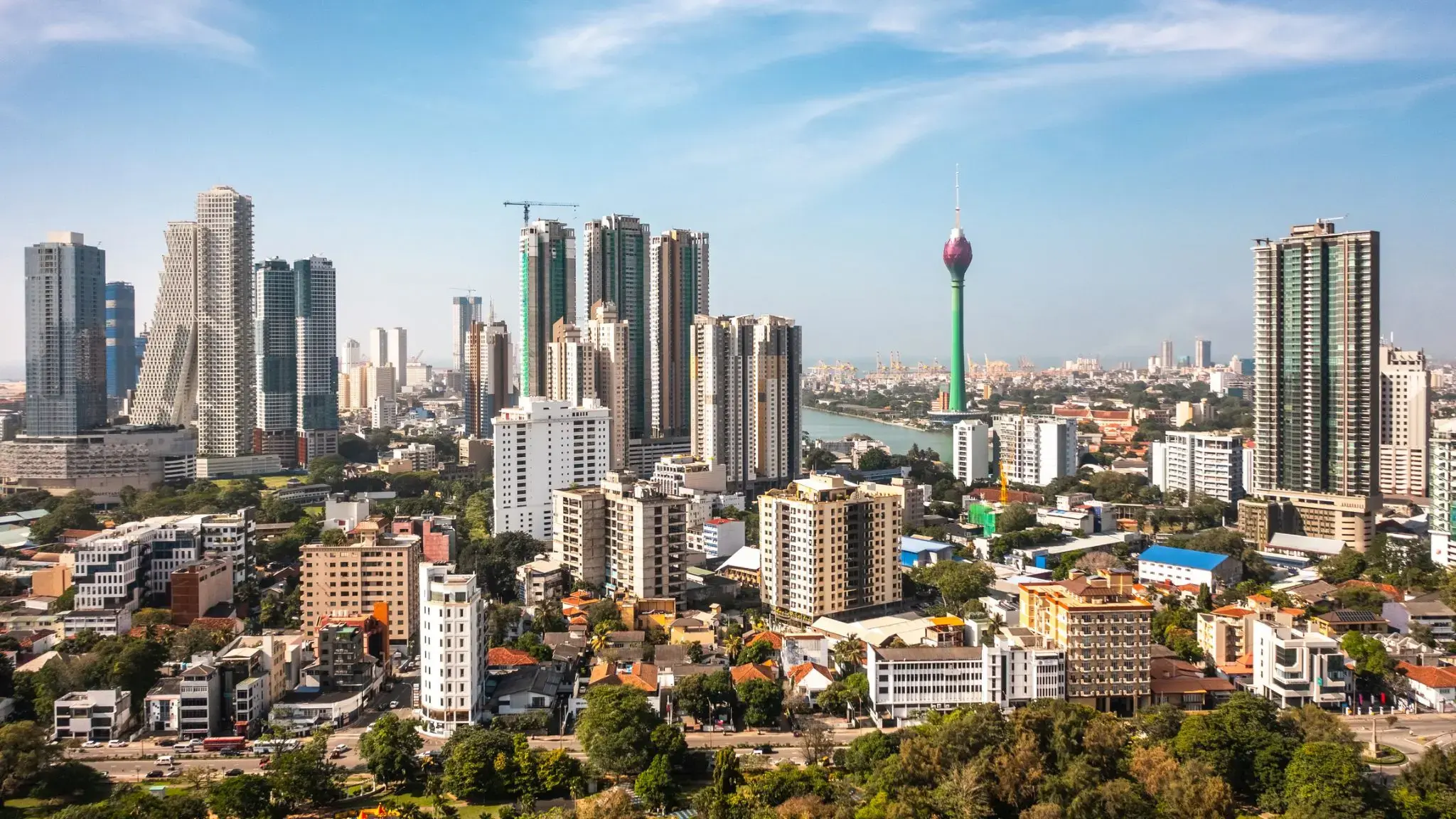
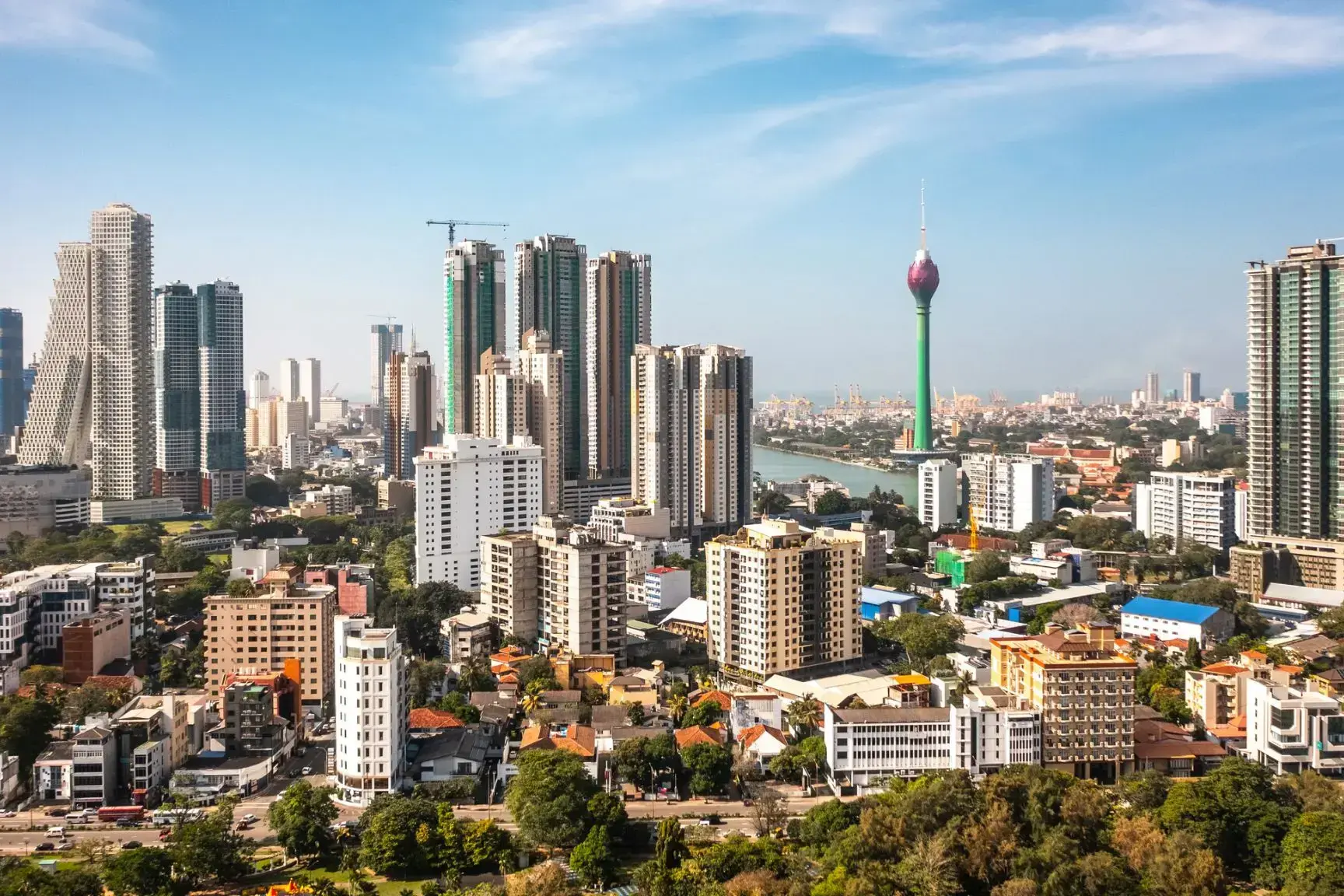
Colombo is the commercial capital and largest city of Sri Lanka. According to the Brookings Institution, Colombo metropolitan area has a population of 5.6 million, and 752,993 in the city proper. It is the financial centre of the island and a popular tourist destination. It is located on the west coast of the island and adjacent to the Greater Colombo area which includes Sri Jayawardenepura Kotte, the legislative capital of Sri Lanka and Dehiwala-Mount Lavinia. Colombo is often referred to as the capital since Sri Jayawardenepura Kotte is within the urban area of, and a suburb of, Colombo. It is also the administrative capital of the Western Province and the district capital of Colombo District. Colombo is a busy and vibrant place with a mixture of modern life and colonial buildings and ruins. It was the legislative capital of Sri Lanka until 1982.
Due to its large harbour and its strategic position along the East-West sea trade routes, Colombo was known to ancient traders 2,000 years ago. It was made the capital of the island when Sri Lanka was ceded to the British Empire in 1815, and its status as capital was retained when the nation became independent in 1948. In 1978, when administrative functions were moved to Sri Jayawardenepura Kotte, Colombo was designated as the commercial capital of Sri Lanka.
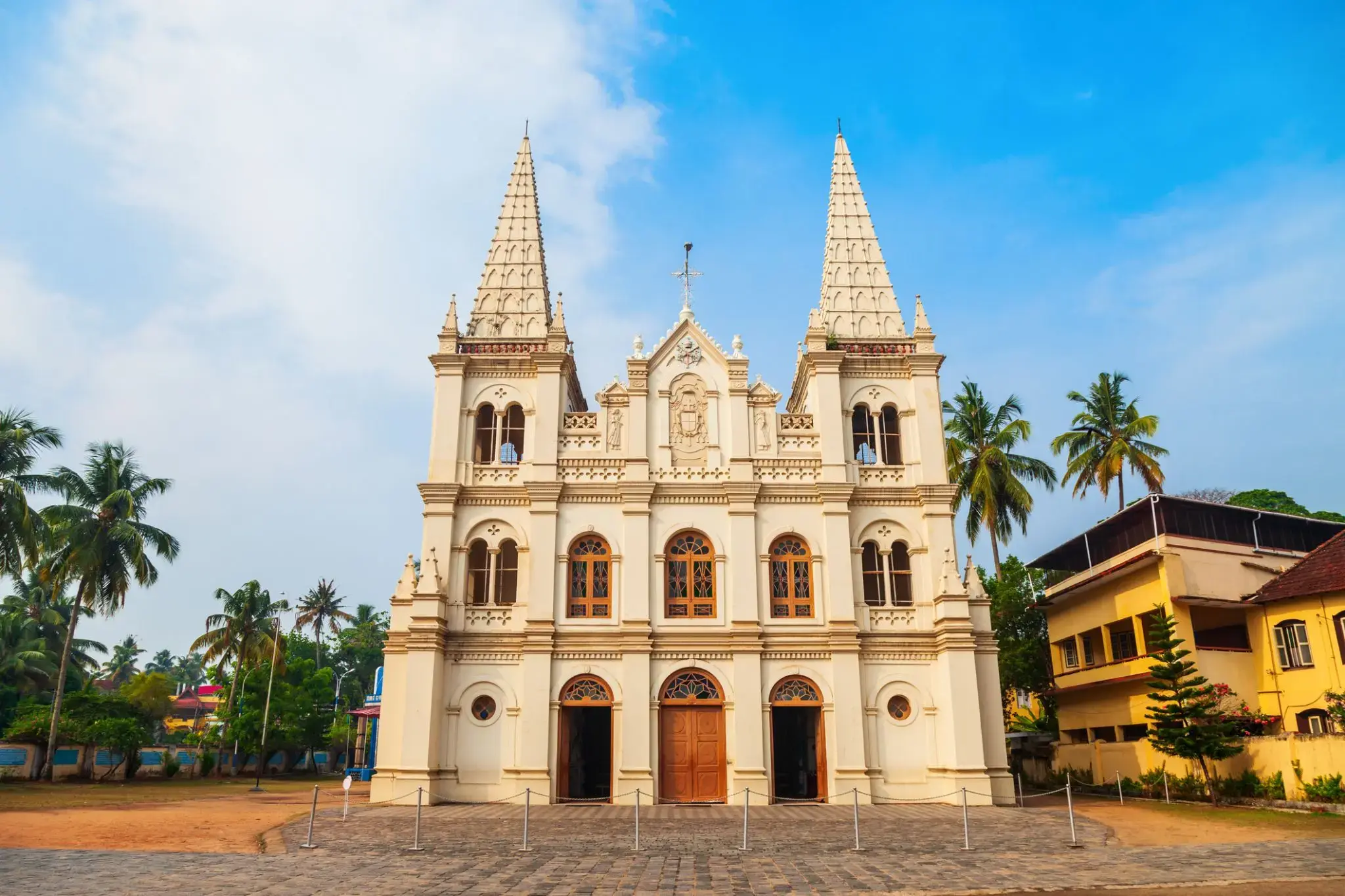
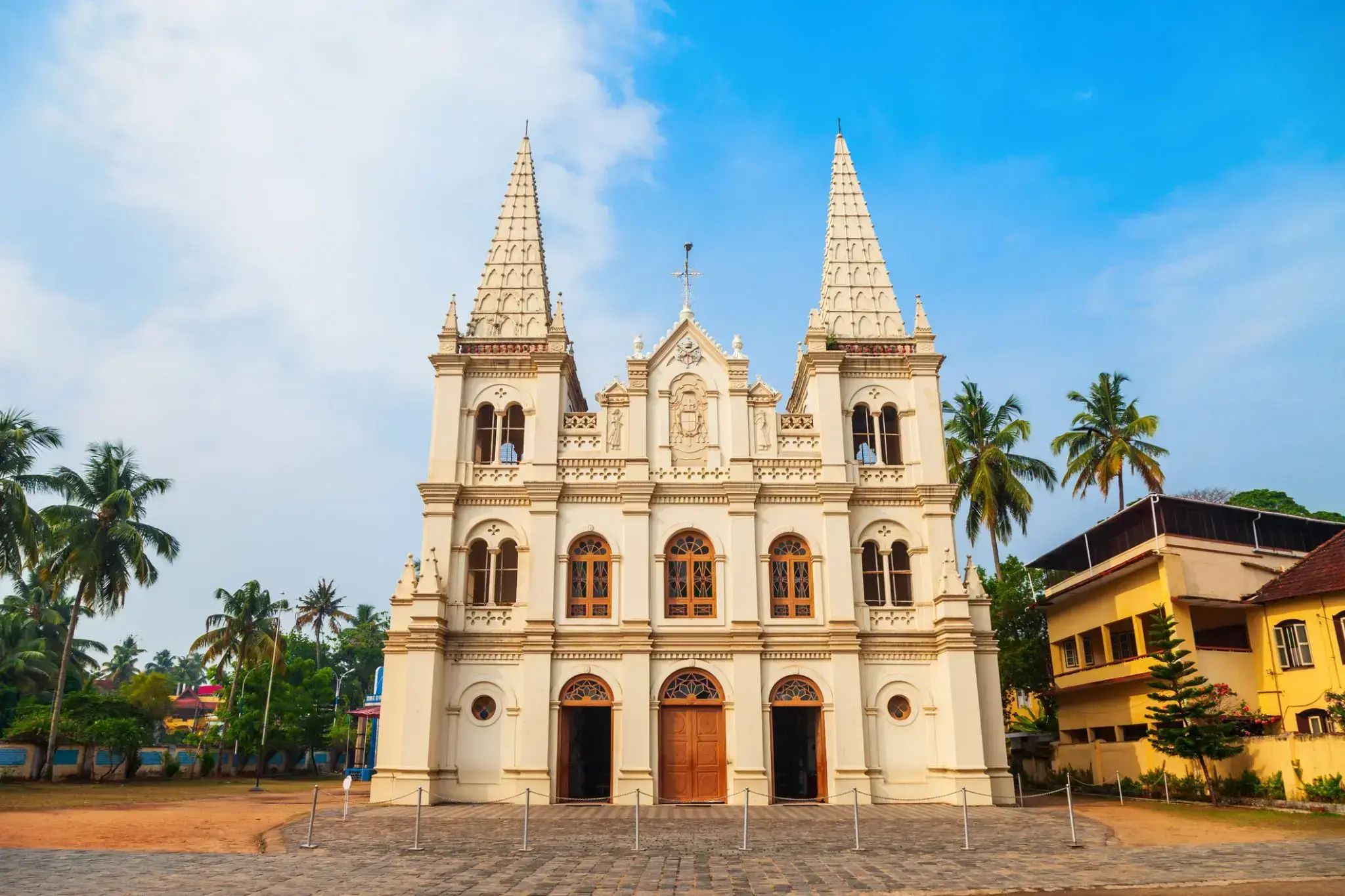
a seaport and naval base on the Malabar Coast of southwestern India, in the state of Kerala; population 254,500 (est. 2009).
a seaport and naval base on the Malabar Coast of southwestern India, in the state of Kerala; population 254,500 (est. 2009).
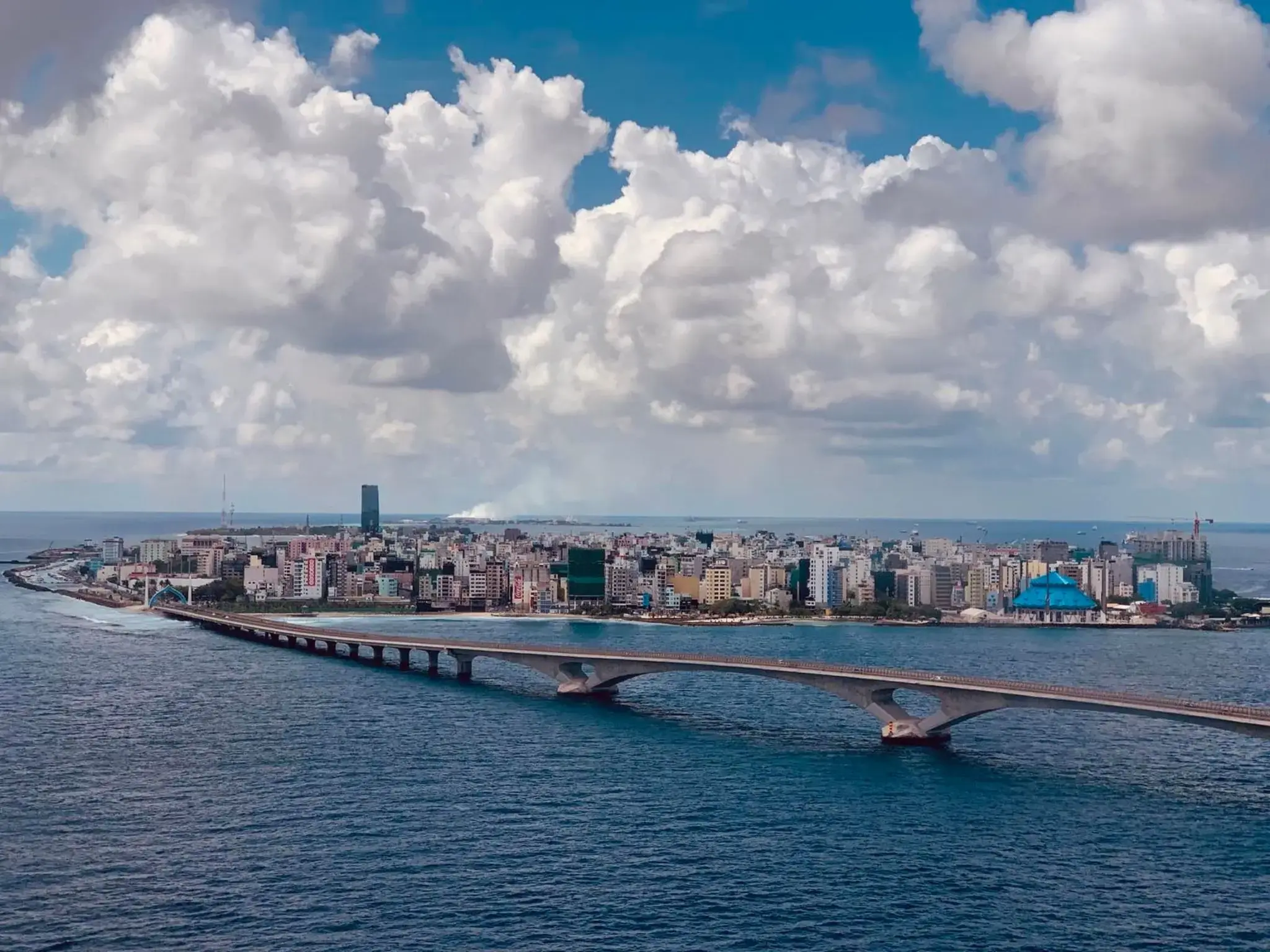
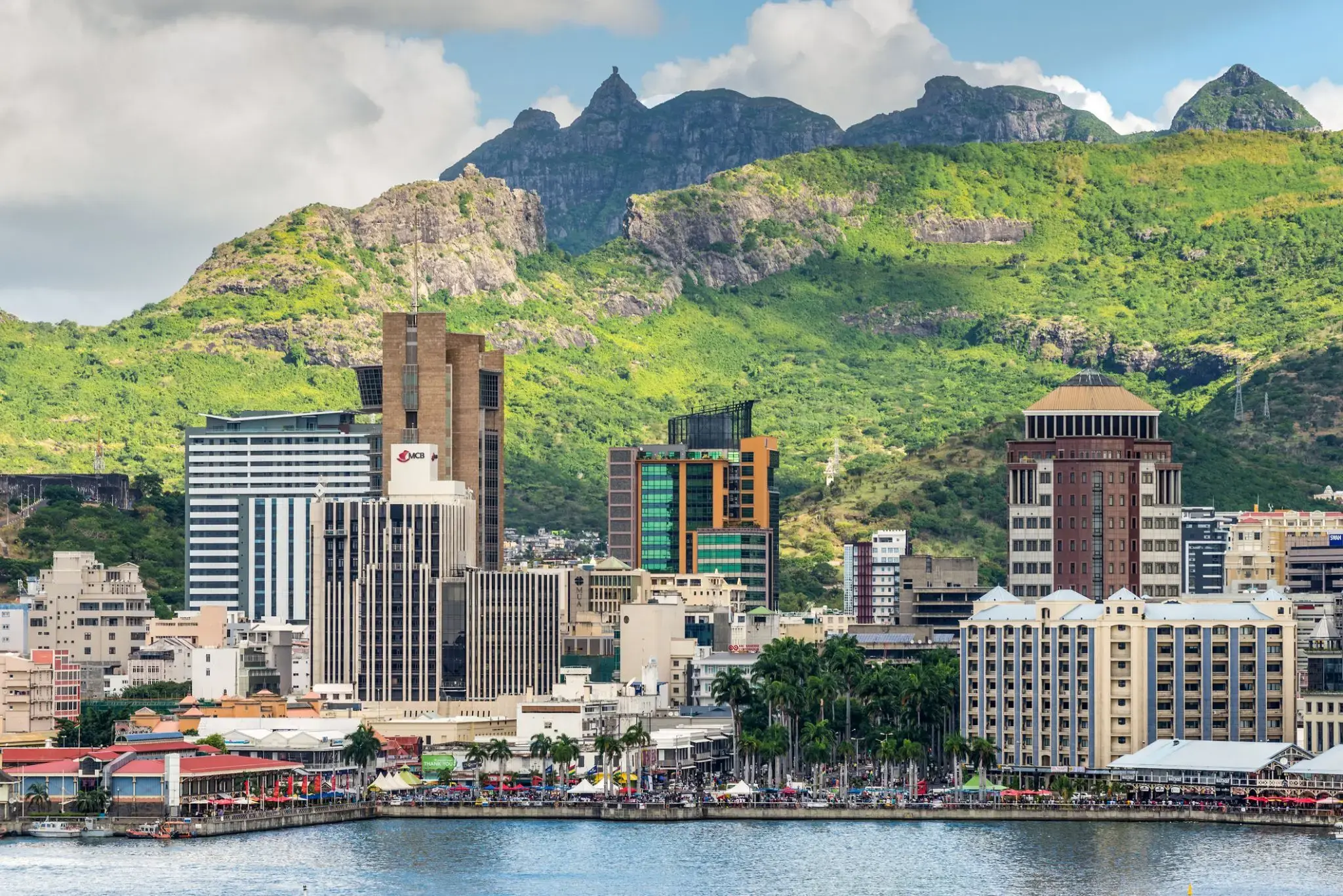
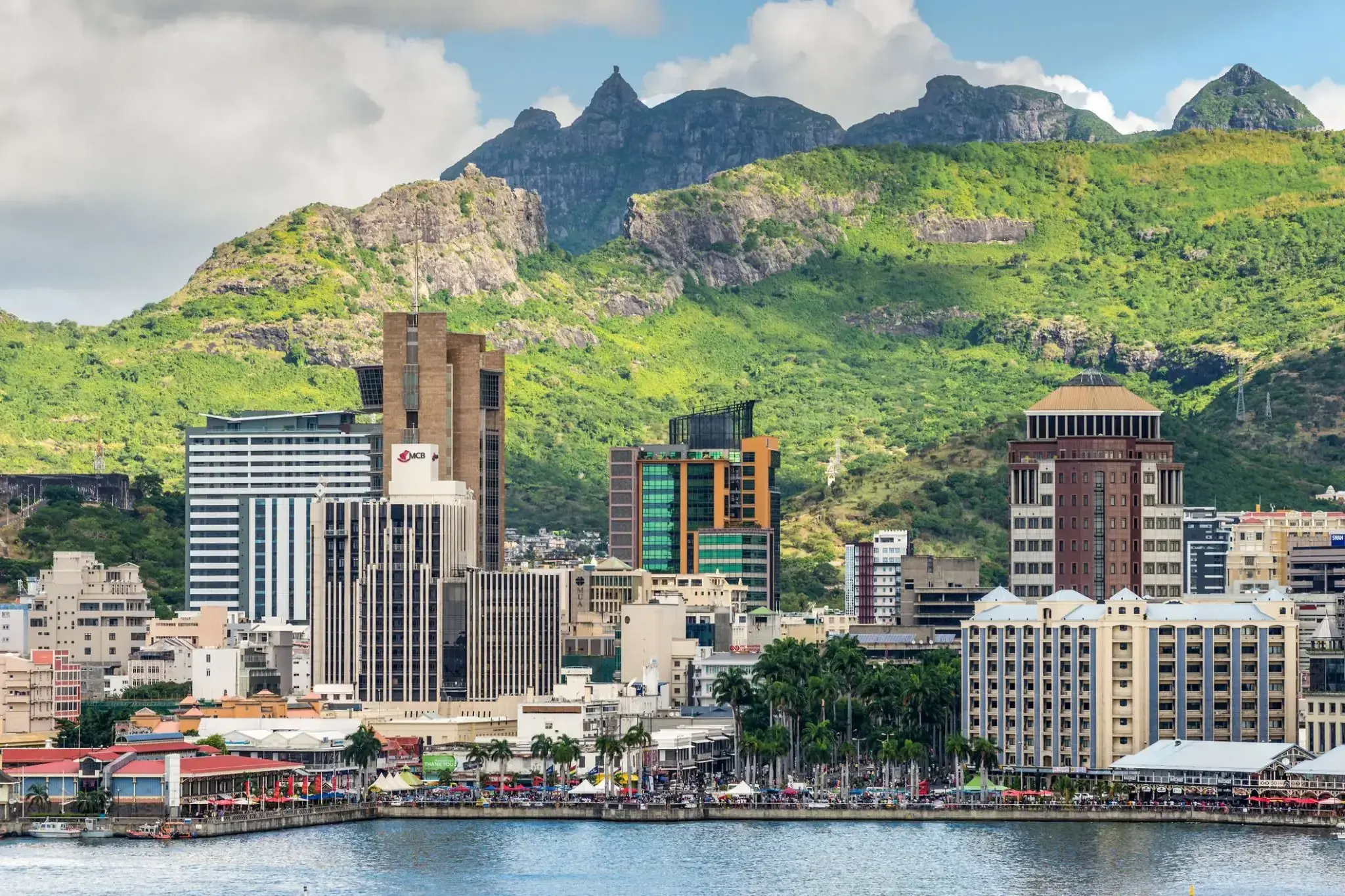
Port Louis is the capital and main port of Mauritius, located on the island’s northwest coast. This lively city combines colonial heritage, modern business hubs, and vibrant Creole culture. The historic center of Port Louis preserves buildings from the French and British eras, with Fort Adelaide (also known as the Citadel) standing out as a key attraction offering panoramic views of the city and harbor. Nearby is the Port Louis Market, a colorful center of local life where visitors can find spices, fruits, textiles, and handcrafted goods.
The city is also renowned for its museums, including the Mauritius Postal Museum, which displays the island’s first postage stamp — the famous “Blue Mauritius.” In addition to its cultural landmarks, Port Louis offers a wide range of culinary experiences influenced by Indian, Chinese, African, and European traditions. In the evening, the Caudan Waterfront becomes a favorite spot for strolls, shopping, and enjoying the vibrant atmosphere.
Port Louis is the capital and main port of Mauritius, located on the island’s northwest coast. This lively city combines colonial heritage, modern business hubs, and vibrant Creole culture. The historic center of Port Louis preserves buildings from the French and British eras, with Fort Adelaide (also known as the Citadel) standing out as a key attraction offering panoramic views of the city and harbor. Nearby is the Port Louis Market, a colorful center of local life where visitors can find spices, fruits, textiles, and handcrafted goods.
The city is also renowned for its museums, including the Mauritius Postal Museum, which displays the island’s first postage stamp — the famous “Blue Mauritius.” In addition to its cultural landmarks, Port Louis offers a wide range of culinary experiences influenced by Indian, Chinese, African, and European traditions. In the evening, the Caudan Waterfront becomes a favorite spot for strolls, shopping, and enjoying the vibrant atmosphere.
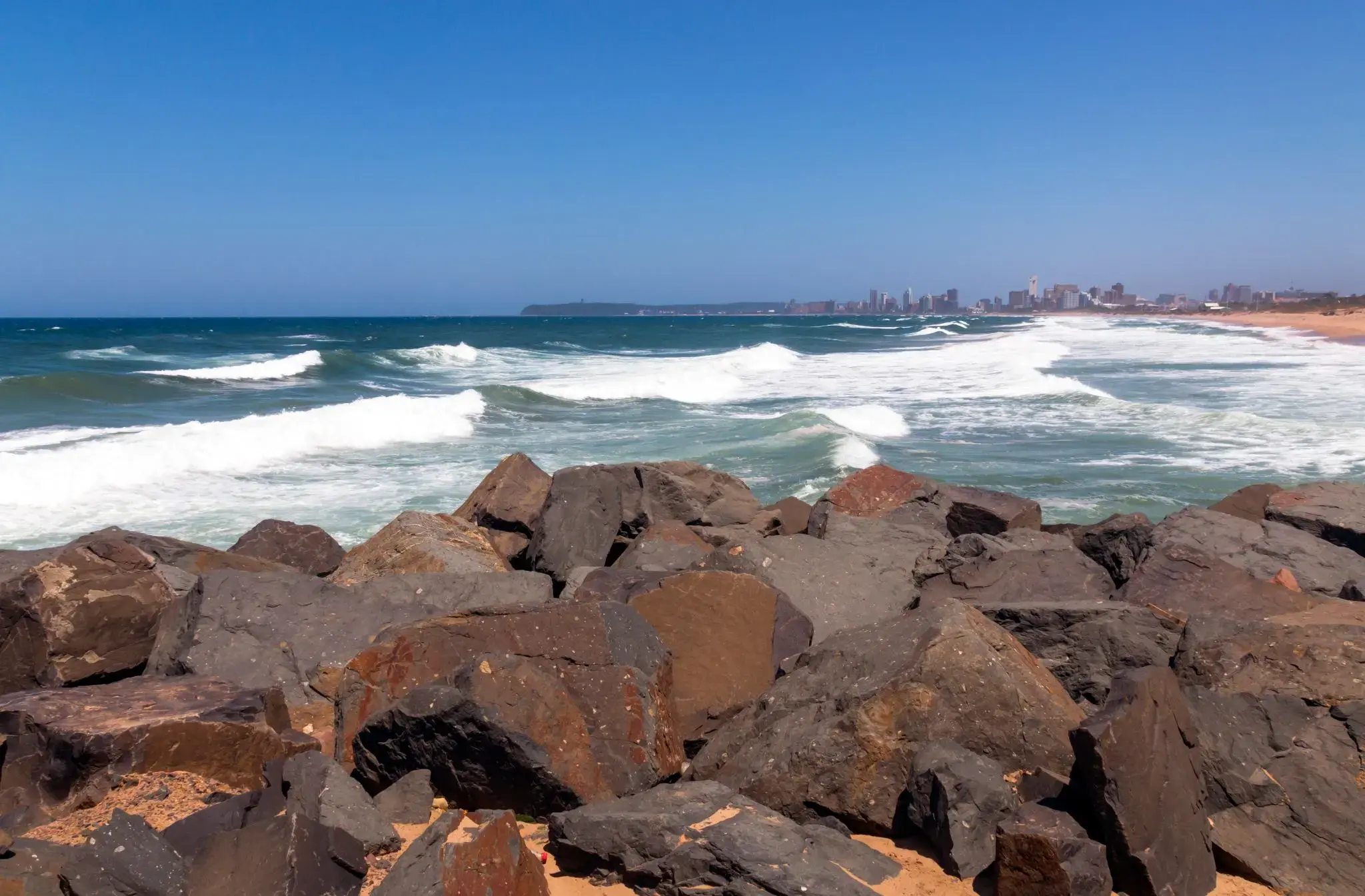
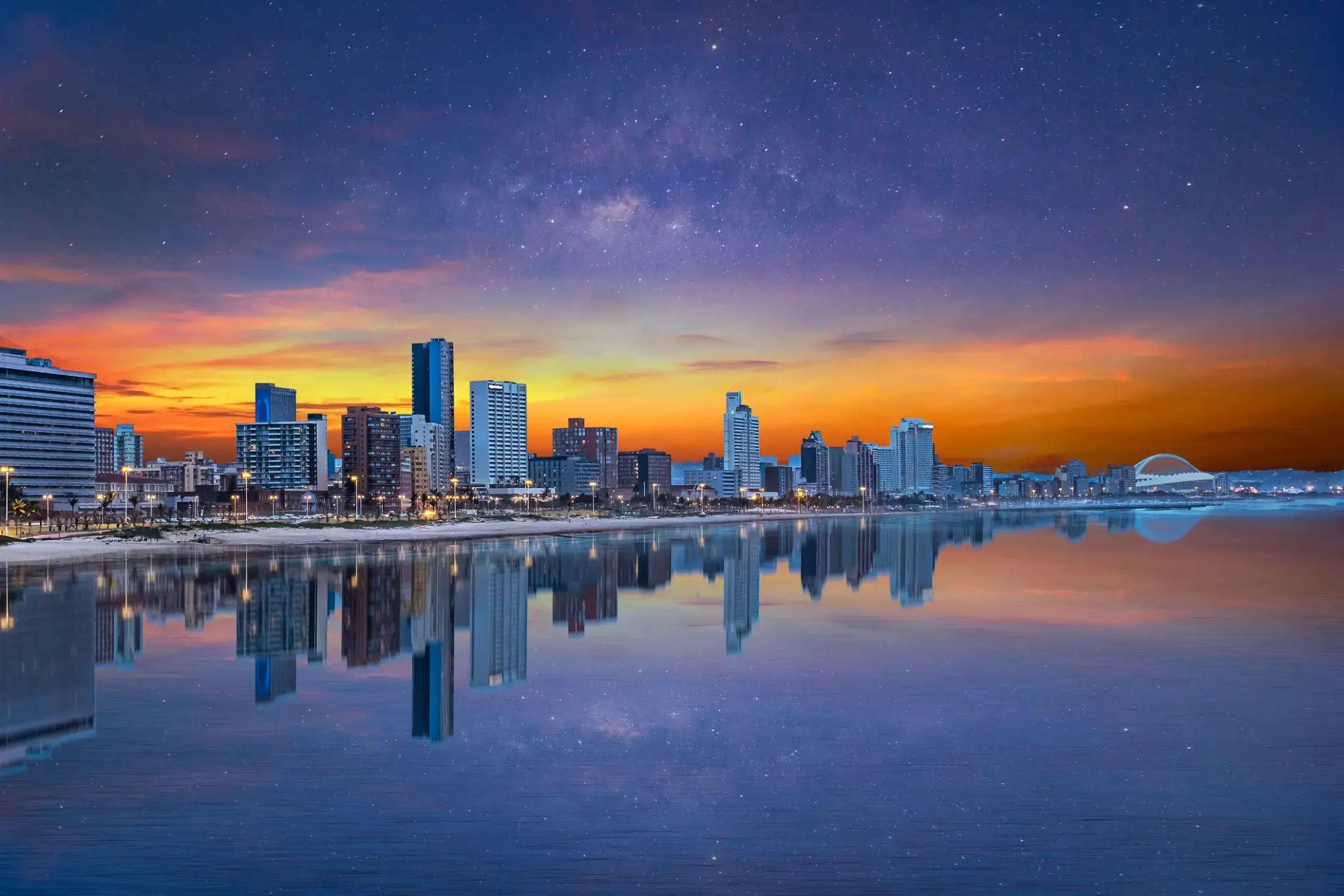
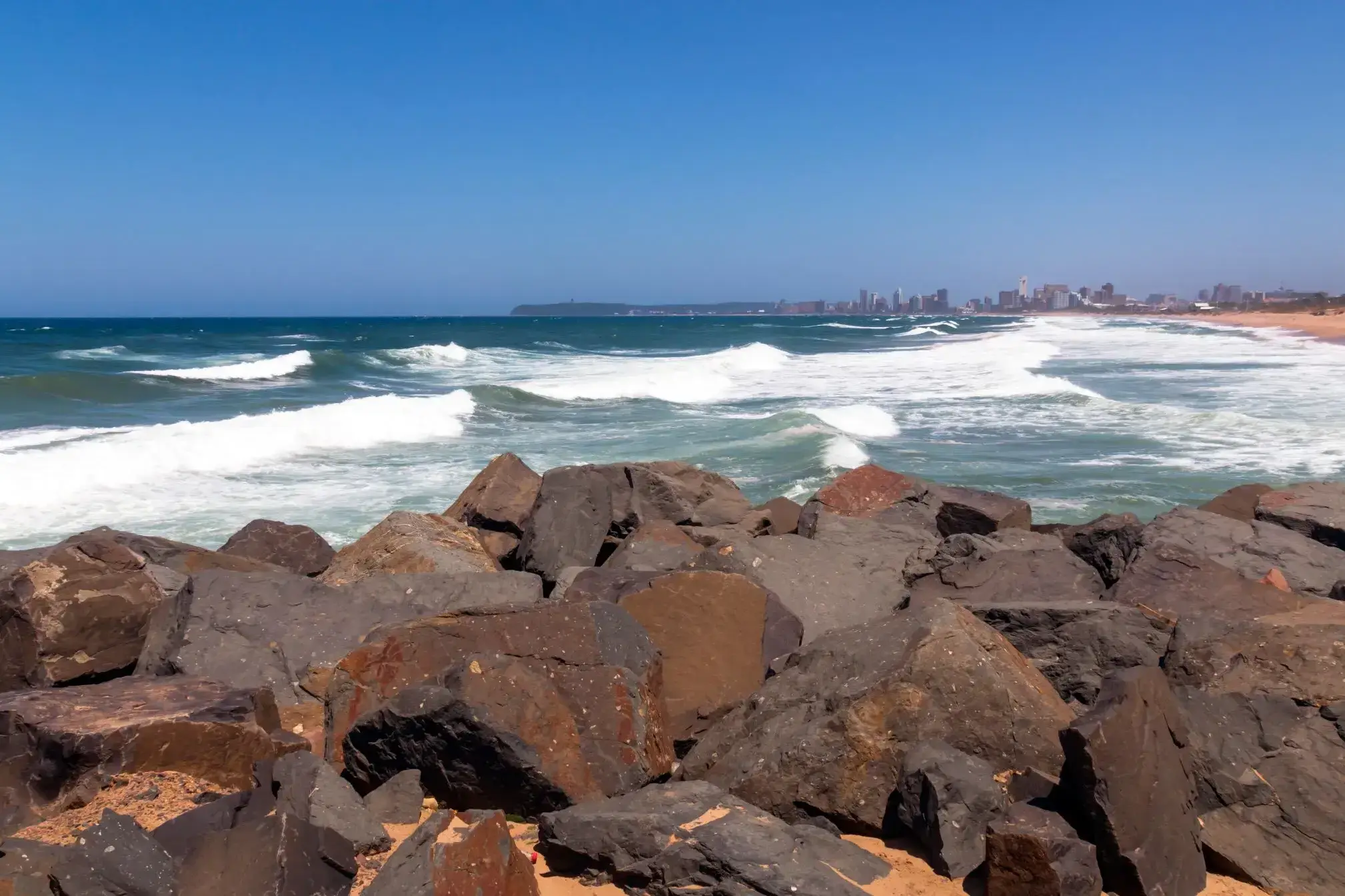
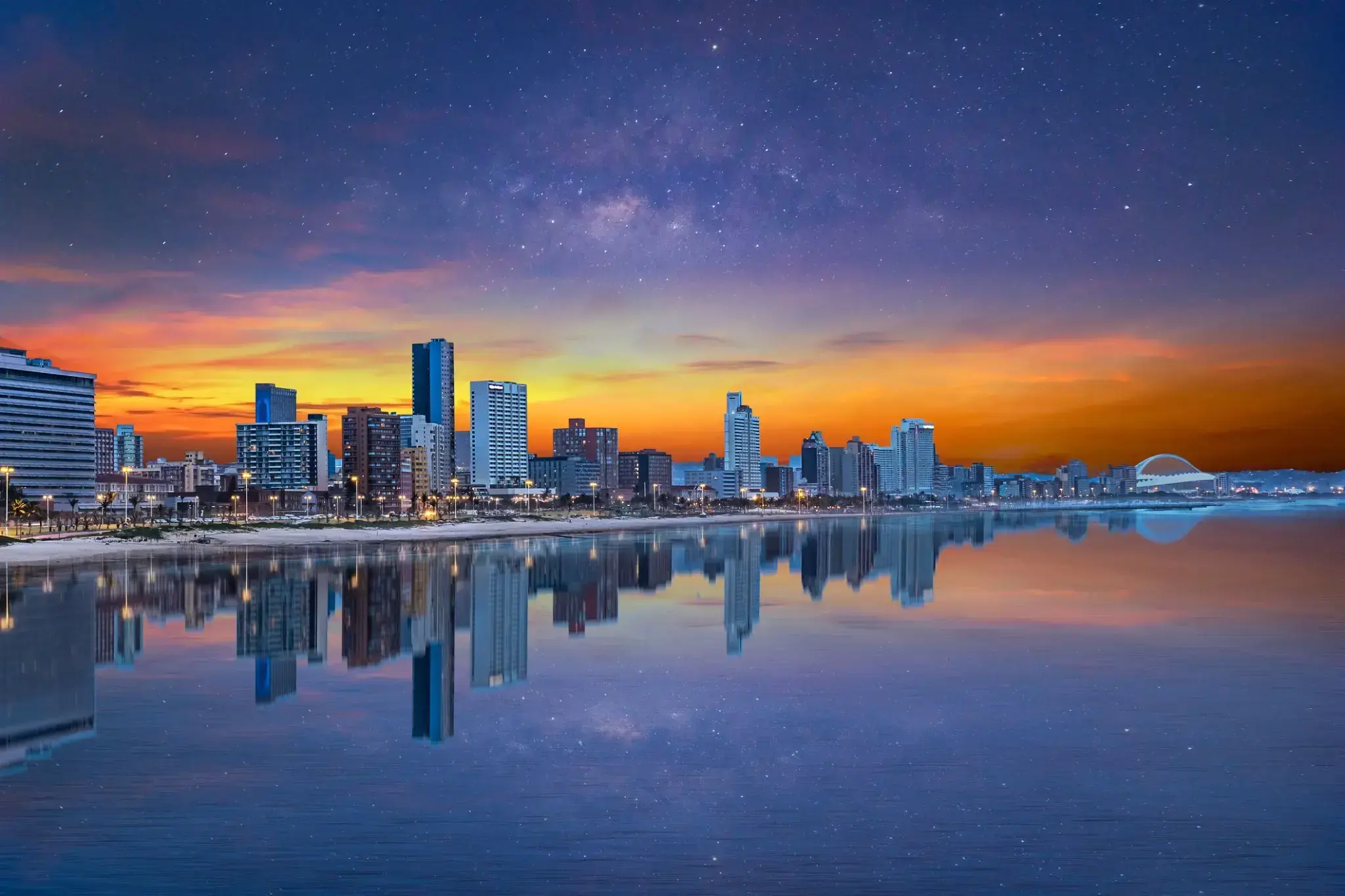
Durban is the third most populous city in South Africa—after Johannesburg and Cape Town—and the largest city in the South African province of KwaZulu-Natal. Located on the east coast of South Africa, Durban is famous for being the busiest port in the country. It is also seen as one of the major centres of tourism because of the city's warm subtropical climate and extensive beaches. Durban forms part of the eThekwini Metropolitan Municipality, which includes neighboring towns and has a population of about 3.44 million, making the combined municipality one of the biggest cities on the Indian Ocean coast of the African continent. It is also the second most important manufacturing hub in South Africa after Johannesburg. In 2015, Durban was recognised as one of the New7Wonders Cities (along with Vigan, Doha, La Paz, Havana, Beirut, and Kuala Lumpur).
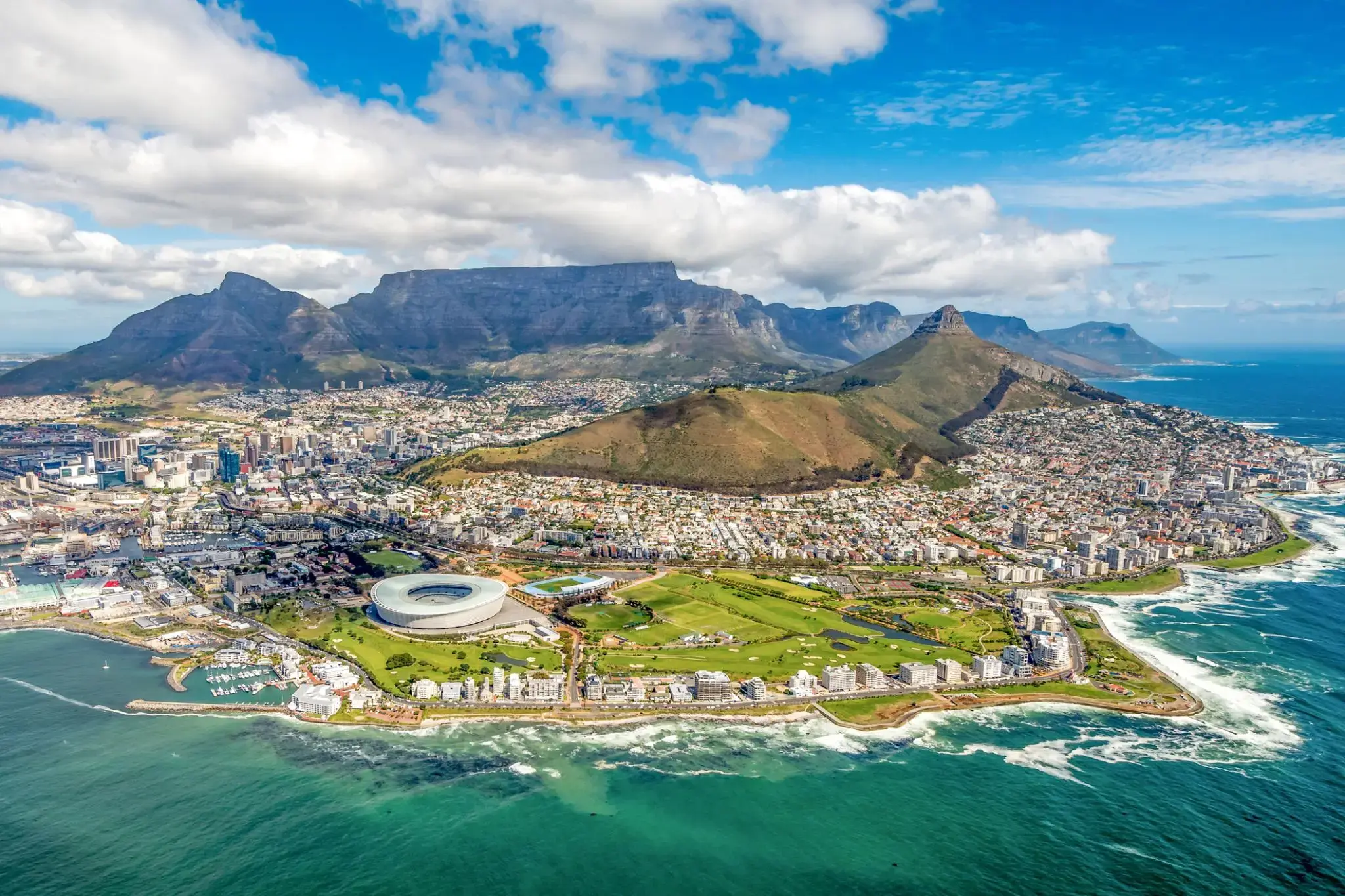
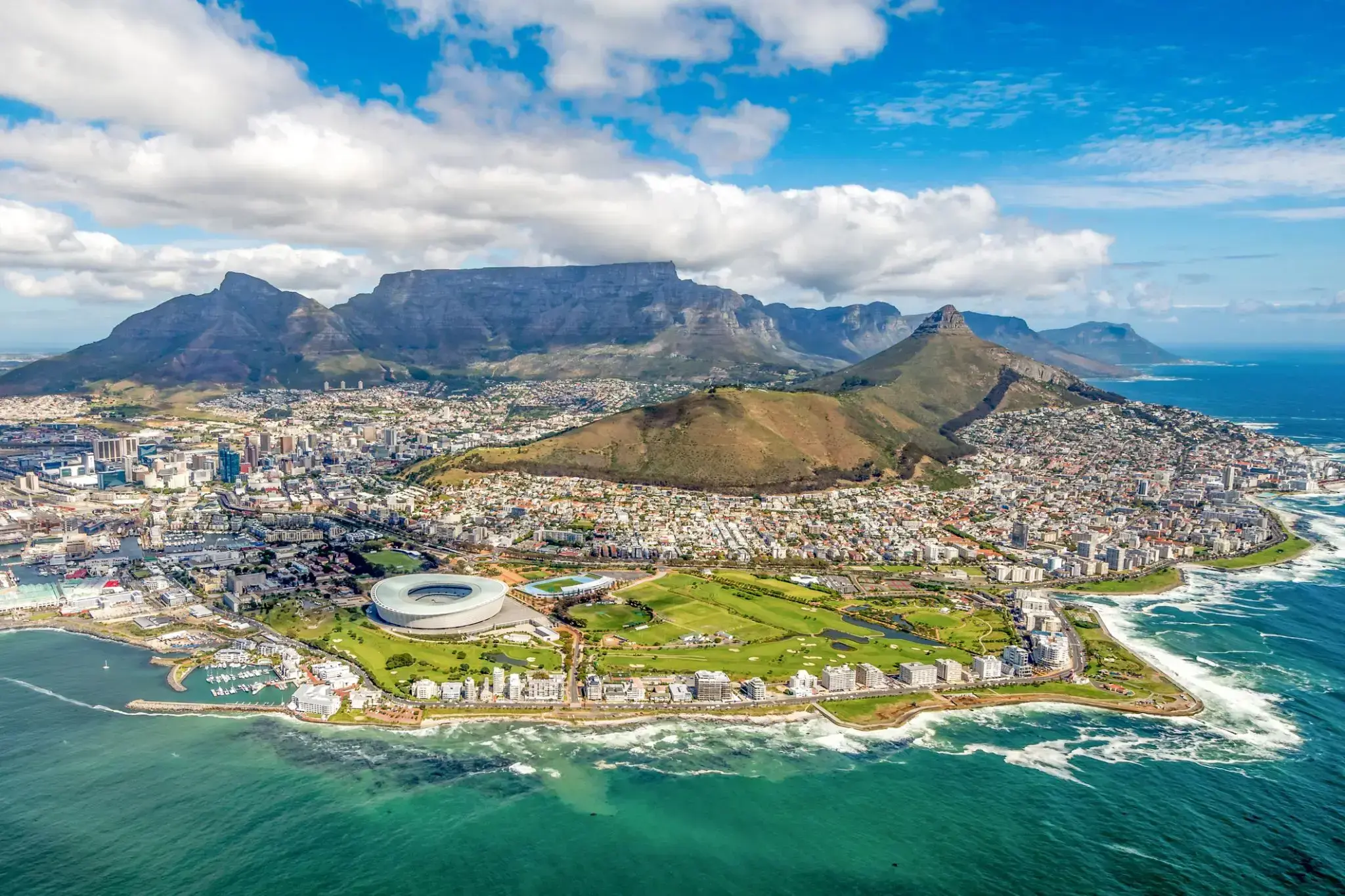
Cape Town is the oldest city in South Africa, colloquially named the Mother City. It is the legislative capital of South Africa and primate city of the Western Cape province. It forms part of the City of Cape Town metropolitan municipality.
The Parliament of South Africa sits in Cape Town. The other two capitals are located in Pretoria (the administrative capital where the Presidency is based) and Bloemfontein (the judicial capital where the Supreme Court of Appeal is located). The city is known for its harbour, for its natural setting in the Cape Floristic Region, and for landmarks such as Table Mountain and Cape Point. As of 2014, it is the 10th most populous city in Africa and home to 64% of the Western Cape's population. It is one of the most multicultural cities in the world, reflecting its role as a major destination for immigrants and expatriates to South Africa. The city was named the World Design Capital for 2014 by the International Council of Societies of Industrial Design. In 2014, Cape Town was named the best place in the world to visit by both The New York Times and The Daily Telegraph.
Located on the shore of Table Bay, Cape Town, as the oldest urban area in South Africa, was developed by the Dutch East India Company (VOC) as a supply station for Dutch ships sailing to East Africa, India, and the Far East. Jan van Riebeeck's arrival on 6 April 1652 established Dutch Cape Colony, the first permanent European settlement in South Africa. Cape Town outgrew its original purpose as the first European outpost at the Castle of Good Hope, becoming the economic and cultural hub of the Cape Colony. Until the Witwatersrand Gold Rush and the development of Johannesburg, Cape Town was the largest city in South Africa.
Cape Town is the oldest city in South Africa, colloquially named the Mother City. It is the legislative capital of South Africa and primate city of the Western Cape province. It forms part of the City of Cape Town metropolitan municipality.
The Parliament of South Africa sits in Cape Town. The other two capitals are located in Pretoria (the administrative capital where the Presidency is based) and Bloemfontein (the judicial capital where the Supreme Court of Appeal is located). The city is known for its harbour, for its natural setting in the Cape Floristic Region, and for landmarks such as Table Mountain and Cape Point. As of 2014, it is the 10th most populous city in Africa and home to 64% of the Western Cape's population. It is one of the most multicultural cities in the world, reflecting its role as a major destination for immigrants and expatriates to South Africa. The city was named the World Design Capital for 2014 by the International Council of Societies of Industrial Design. In 2014, Cape Town was named the best place in the world to visit by both The New York Times and The Daily Telegraph.
Located on the shore of Table Bay, Cape Town, as the oldest urban area in South Africa, was developed by the Dutch East India Company (VOC) as a supply station for Dutch ships sailing to East Africa, India, and the Far East. Jan van Riebeeck's arrival on 6 April 1652 established Dutch Cape Colony, the first permanent European settlement in South Africa. Cape Town outgrew its original purpose as the first European outpost at the Castle of Good Hope, becoming the economic and cultural hub of the Cape Colony. Until the Witwatersrand Gold Rush and the development of Johannesburg, Cape Town was the largest city in South Africa.
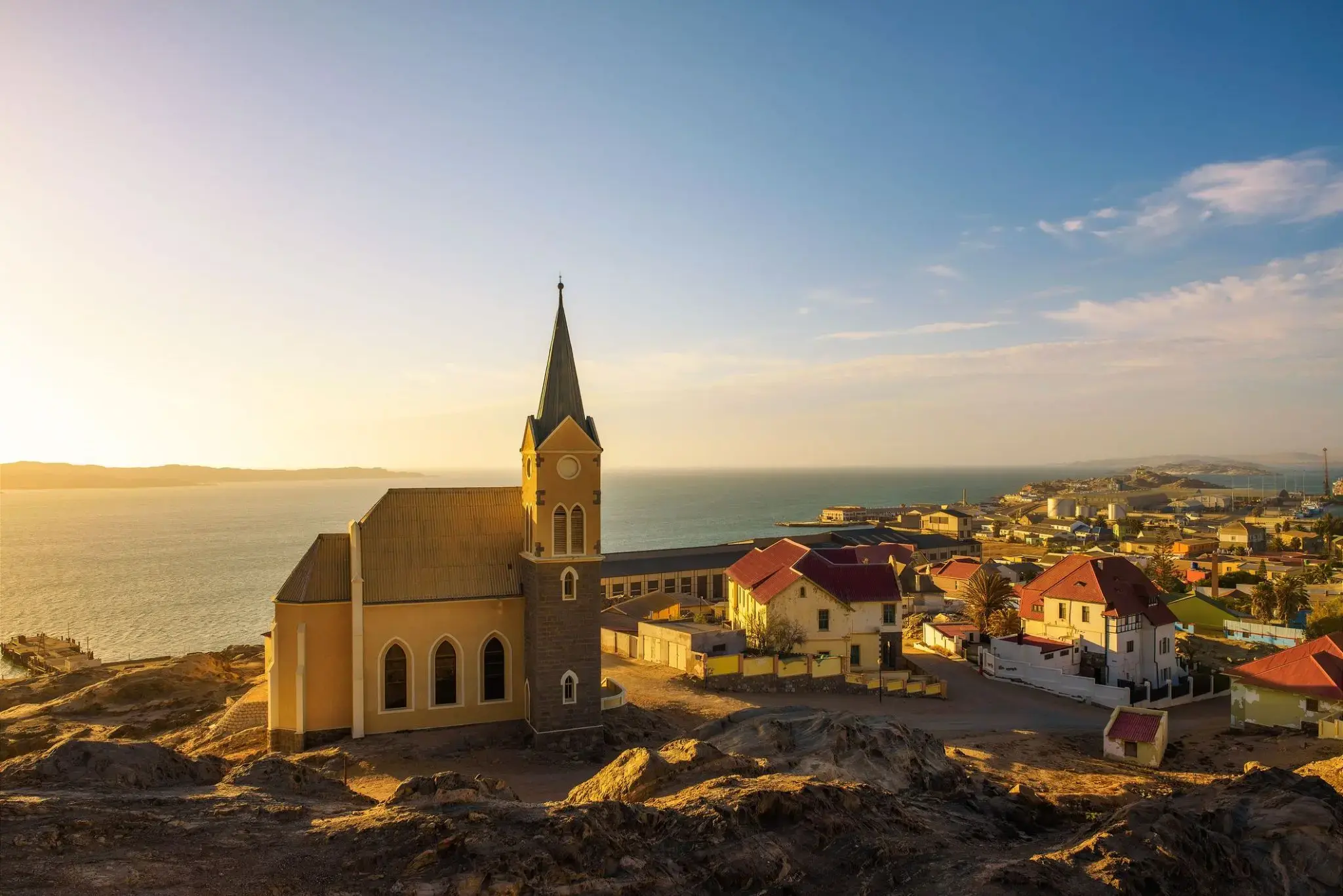
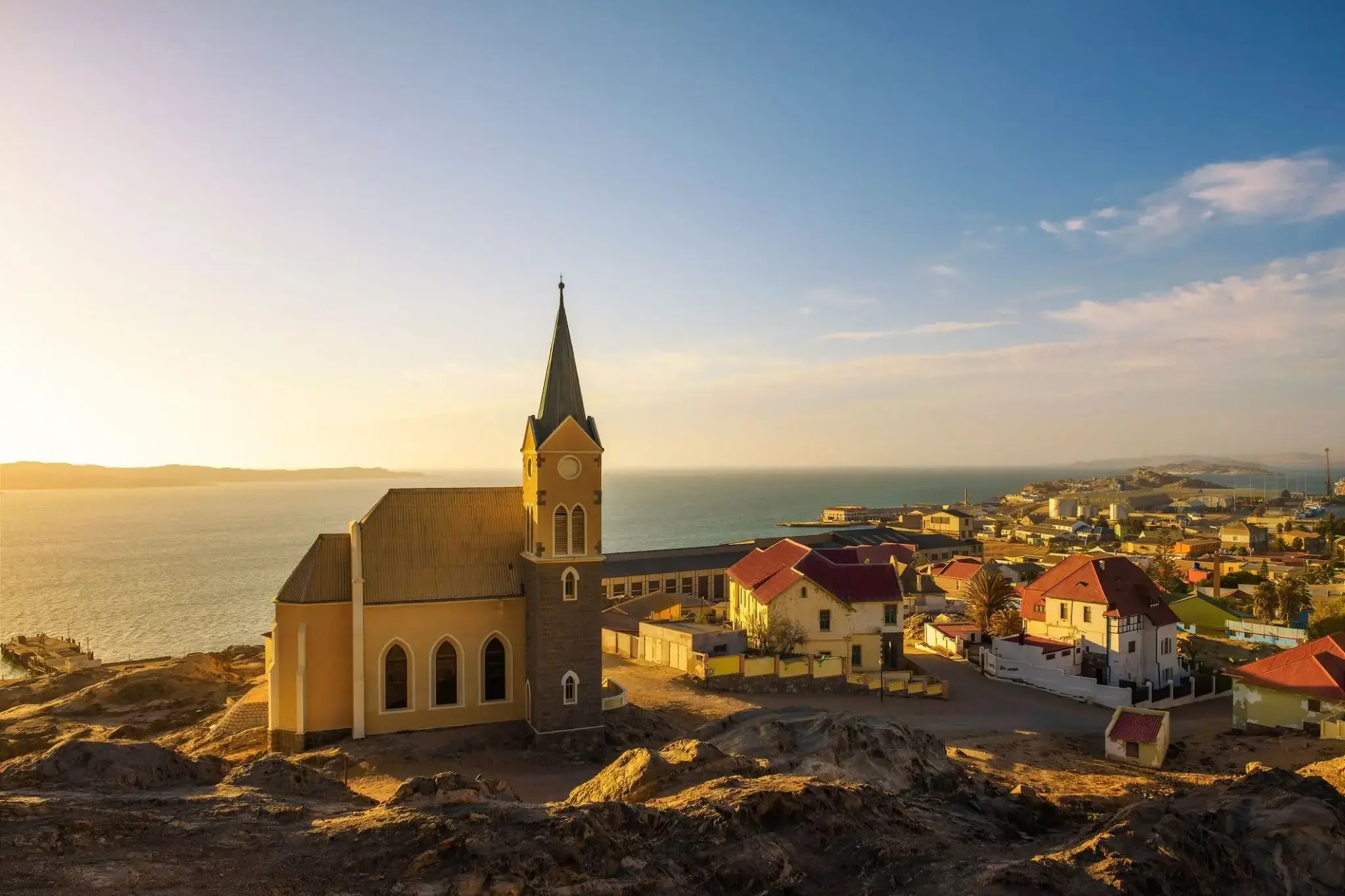
Narrow cobbled streets lead to colorful pastel houses, welcoming visitors to Luderitz. Nestled between desert dunes and the Atlantic Ocean, this town retains a unique charm reminiscent of the early 20th century. Colonial architecture blends with the sea air, while cozy cafes reflect the town’s German past.
Luderitz is renowned for its breathtaking coastal landscapes: turquoise waters of the bay and rugged coves merge seamlessly with golden desert sands. Adventurers can explore the abandoned diamond mining settlement of Kolmanskop or wander through lagoons where pelicans and flamingos gather. This corner of Namibia offers a unique blend of culture, history, and nature, waiting to be discovered.
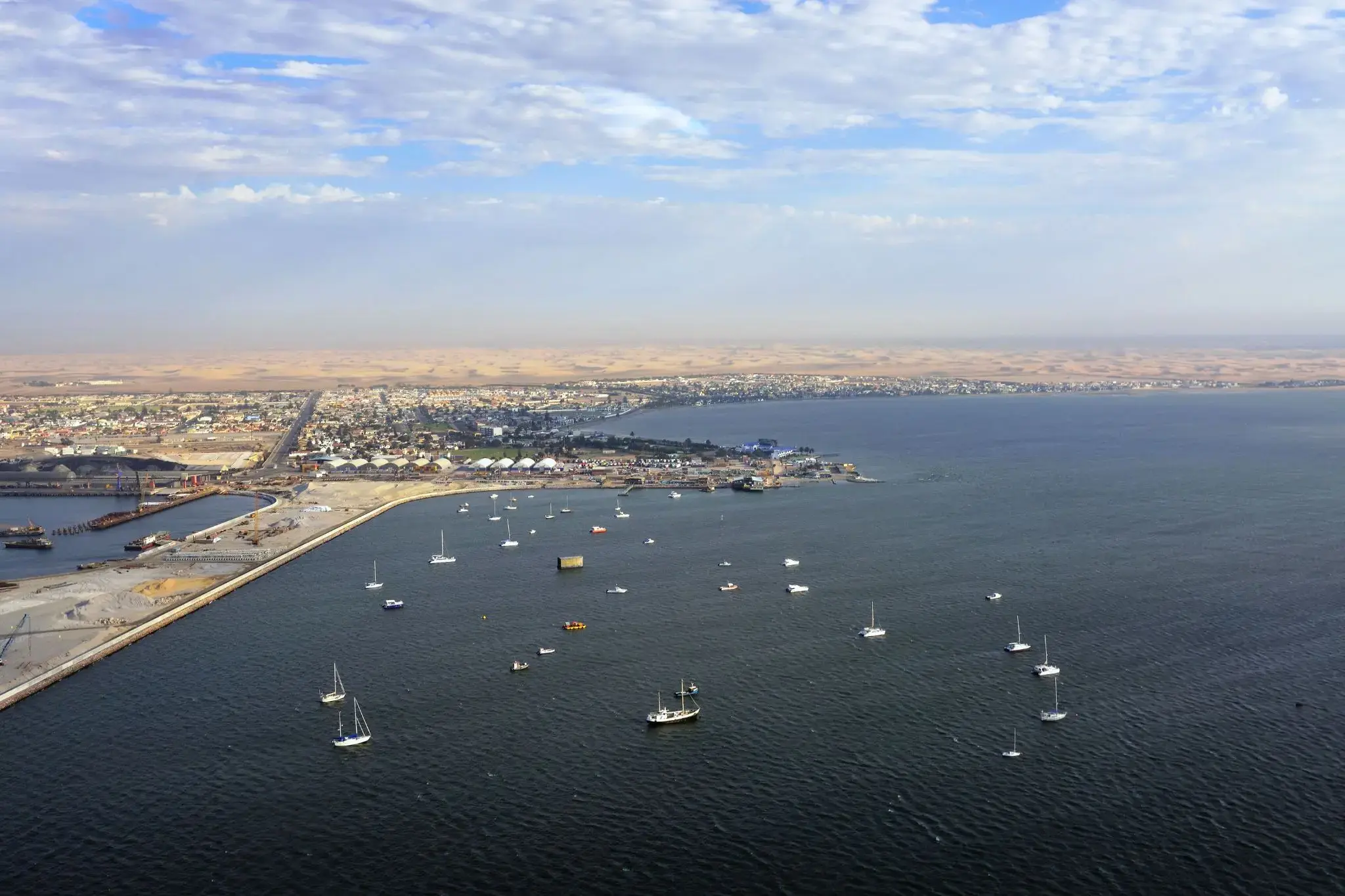
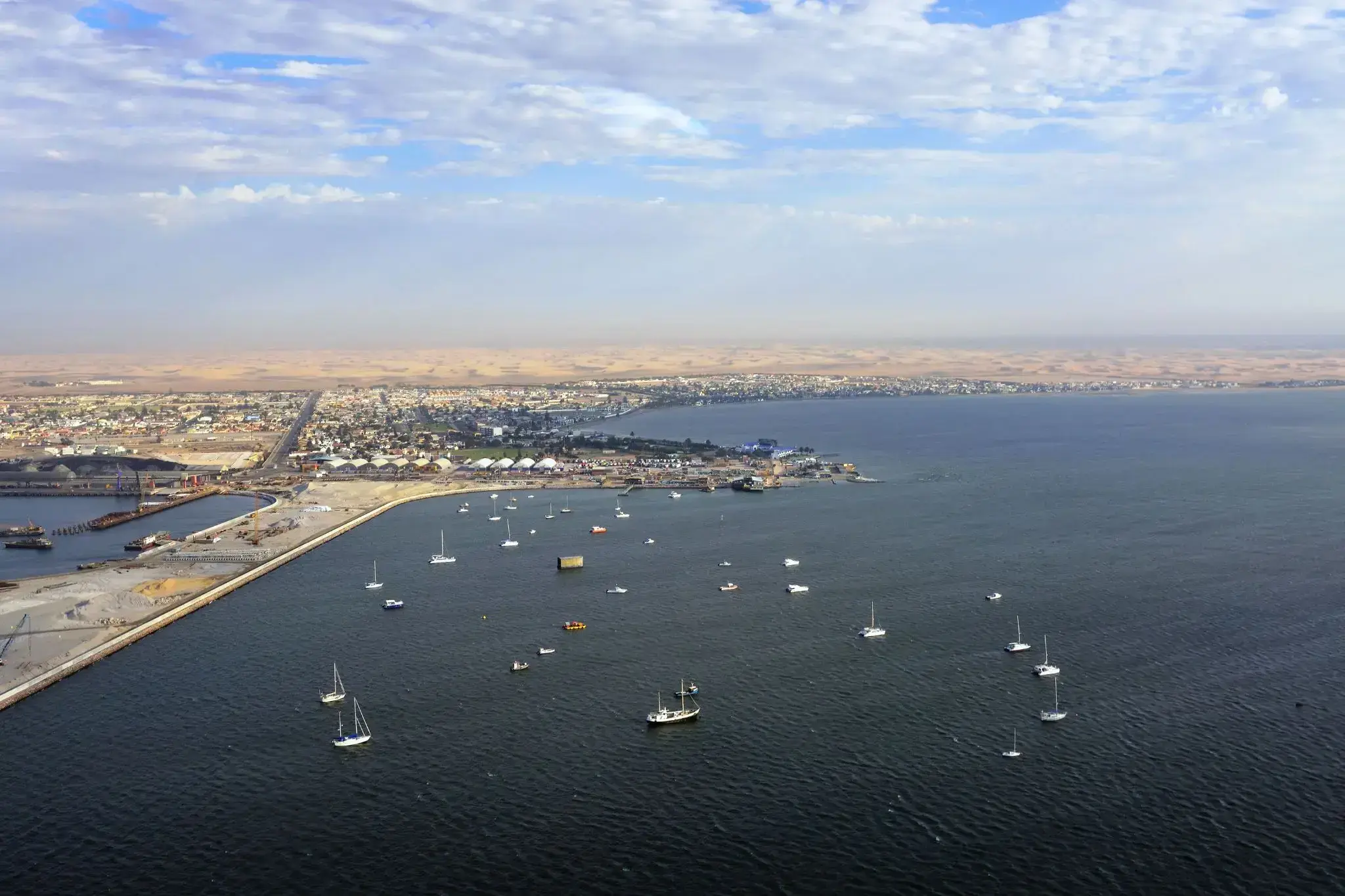
Walvis Bay — Namibia’s Maritime Gateway
Walvis Bay, located on the Atlantic coast of Namibia, offers a rare blend of an industrial port and a natural haven. The town is famous for its vast lagoon—one of the largest in Africa—where flamingos, pelicans, and other water birds can be observed year-round. It's also one of the top places on the continent to witness marine life: visitors often take boat trips to spot seals, dolphins, and sometimes even whales. The lagoon is also popular among kite surfers and windsurfers, thanks to steady winds and wide open waters.
The city plays a key economic role as Namibia’s main port and a hub for the fishing industry. Yet, Walvis Bay attracts not only through its utility, but also through the stunning desert landscapes of the Namib, which begin just outside the town. The famous dunes and lunar scenery create a unique contrast with the ocean. This rare meeting of sea and desert makes Walvis Bay an unforgettable stop on any journey through southwestern Africa.
Walvis Bay — Namibia’s Maritime Gateway
Walvis Bay, located on the Atlantic coast of Namibia, offers a rare blend of an industrial port and a natural haven. The town is famous for its vast lagoon—one of the largest in Africa—where flamingos, pelicans, and other water birds can be observed year-round. It's also one of the top places on the continent to witness marine life: visitors often take boat trips to spot seals, dolphins, and sometimes even whales. The lagoon is also popular among kite surfers and windsurfers, thanks to steady winds and wide open waters.
The city plays a key economic role as Namibia’s main port and a hub for the fishing industry. Yet, Walvis Bay attracts not only through its utility, but also through the stunning desert landscapes of the Namib, which begin just outside the town. The famous dunes and lunar scenery create a unique contrast with the ocean. This rare meeting of sea and desert makes Walvis Bay an unforgettable stop on any journey through southwestern Africa.


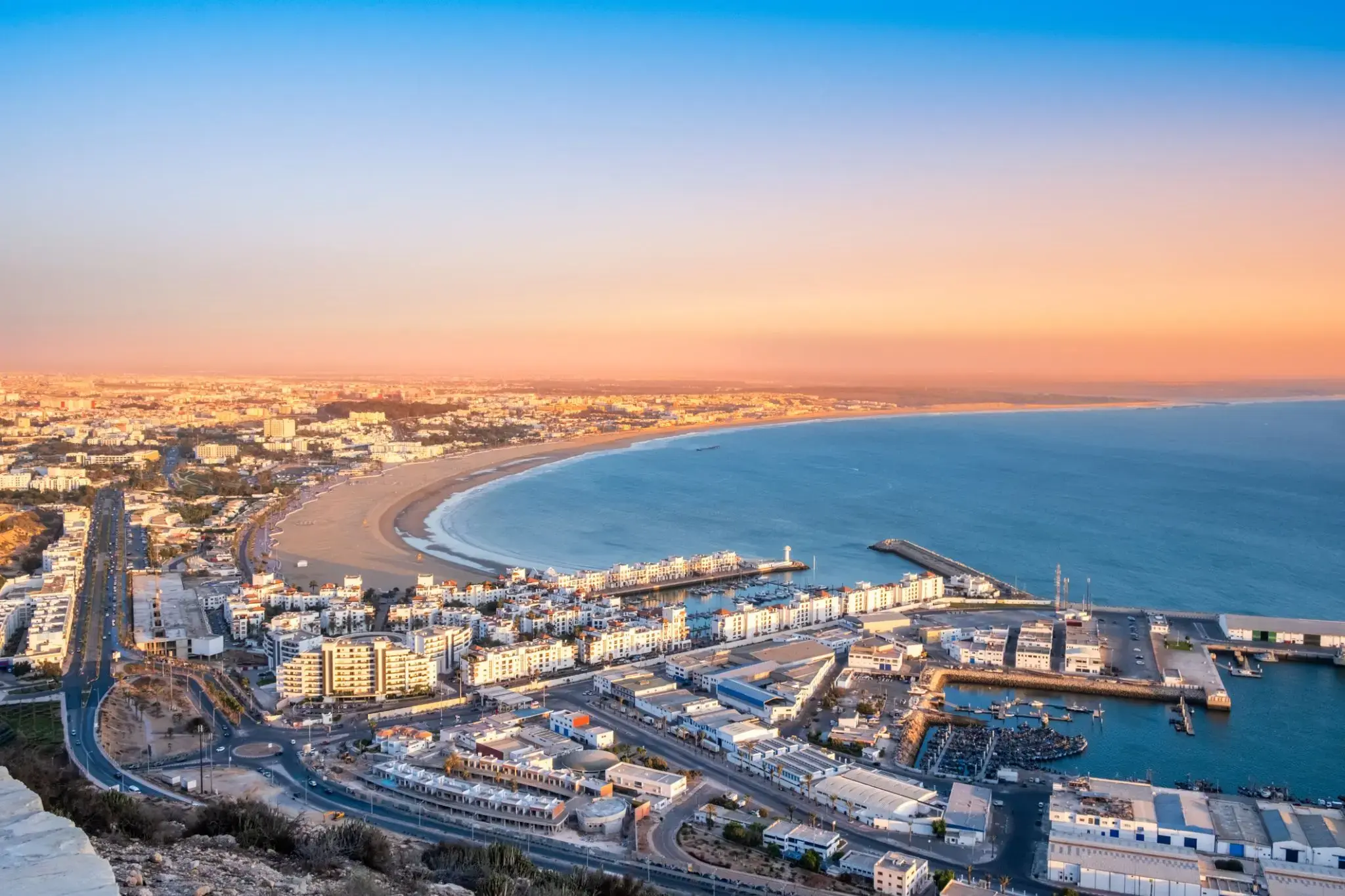
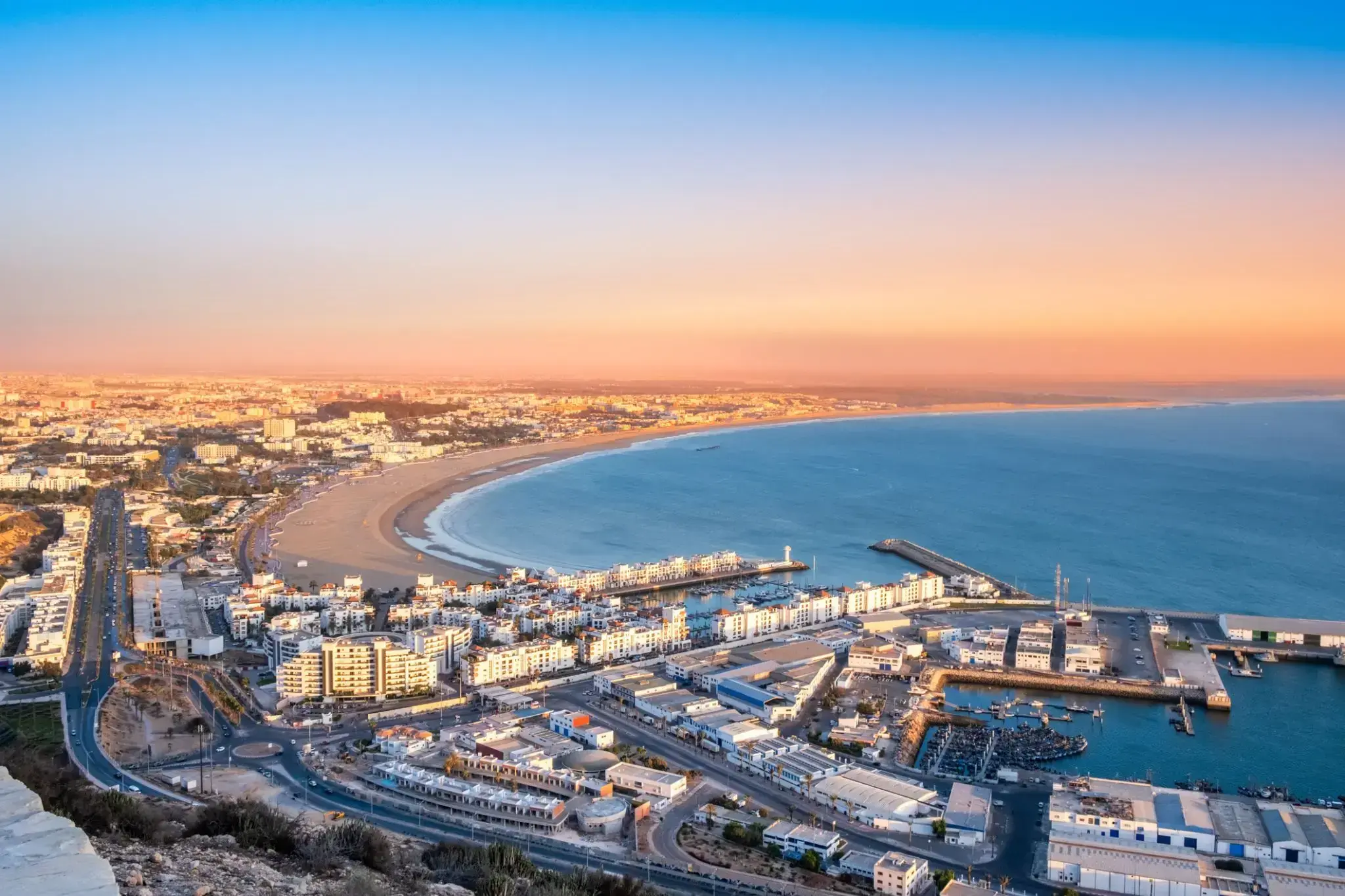
Agadir is the center of modern tourism in Morocco. Agadir Beach stretches for 10 km. The beautiful golden beach, surrounded by eucalyptus greenery and pine trees, is the most beautiful place among all Moroccan resorts. In Agadir, tourists will always find entertainment to their liking. Here you can ride camels or thoroughbred horses, play golf and tennis, smoke hookah, or experience all the delights of sea fishing. In the city's restaurants, you can taste the freshest and most delicious seafood, the assortment of which is simply magnificent: sea bass, sardines, tuna, shrimp, lobsters, crayfish. You can buy alcohol everywhere, but remember to do it before eight in the evening. And don't forget to visit the Medina of Agadir – a city built by an Italian architect. Inside the Medina, there are more than 30 shops and workshops.
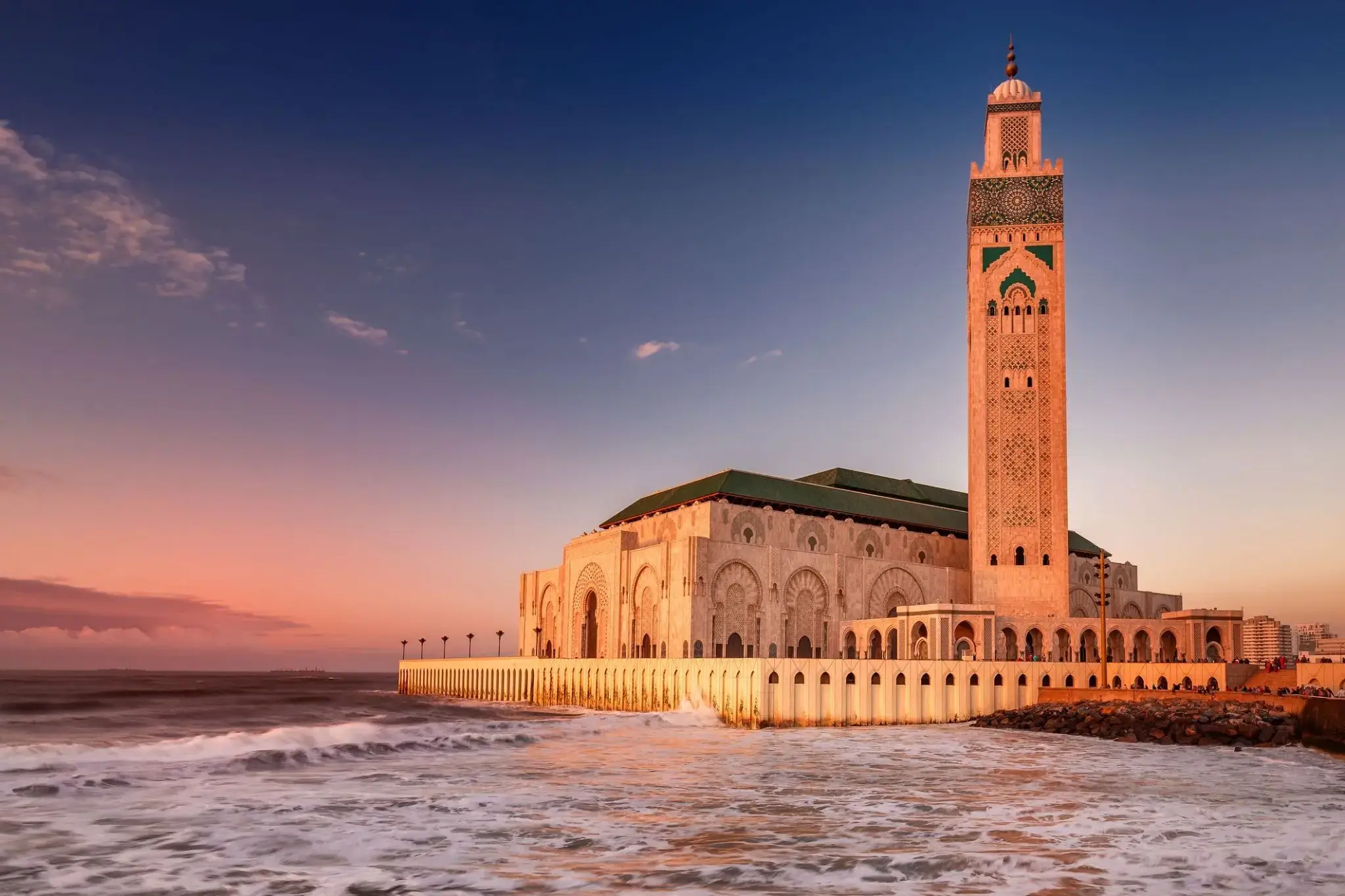
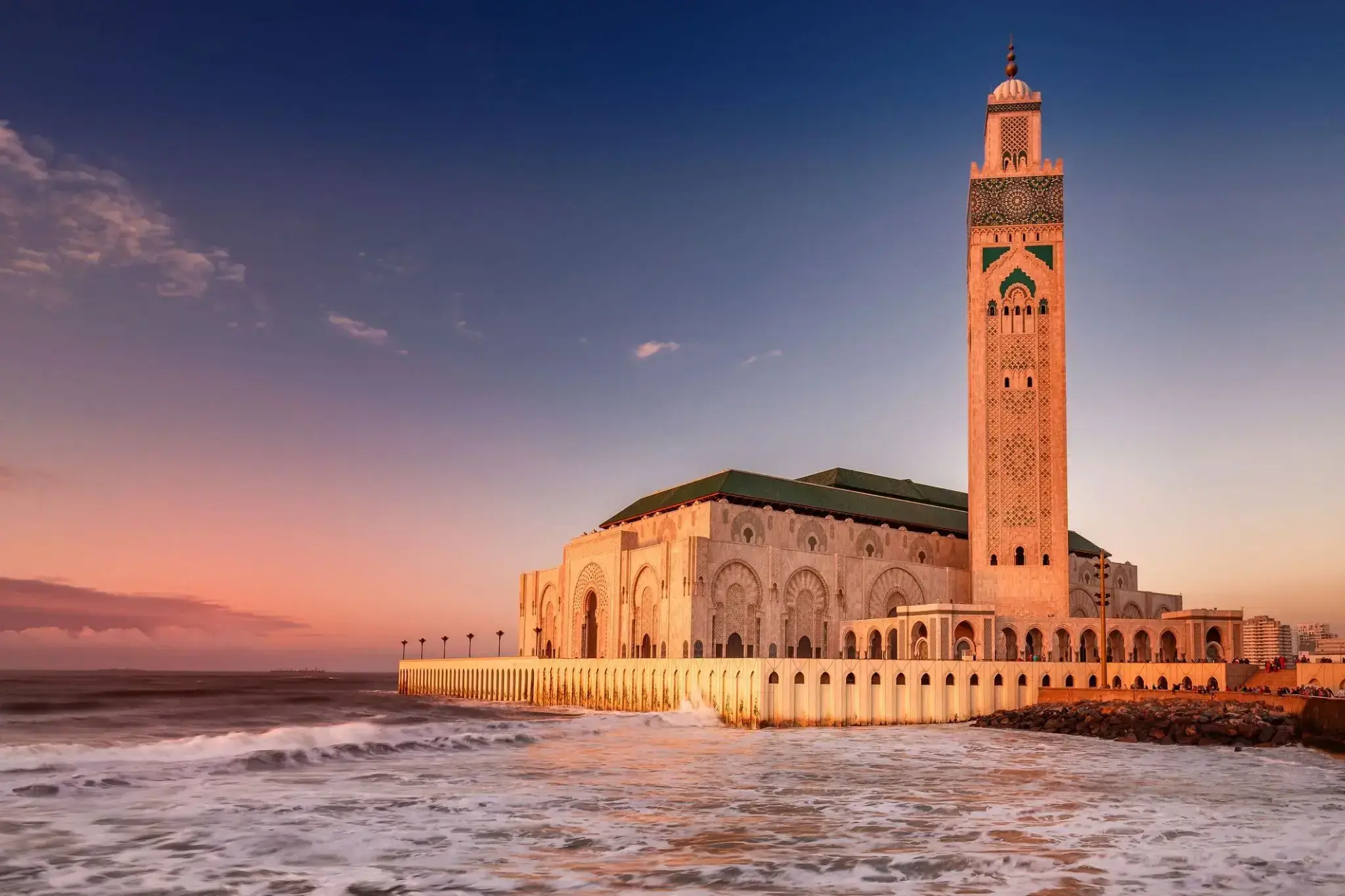
Casablanca located in the central-western part of Morocco and bordering the Atlantic Ocean, is the largest city in Morocco. It is also the largest city in the Maghreb region, as well as one of the largest and most important cities in Africa, both economically and demographically.
Casablanca is Morocco's chief port and one of the largest financial centers on the continent. According to the 2014 population estimate, the city has a population of about 3.35 million in the urban area and over 6.8 million in the Casablanca-Settat region. Casablanca is considered the economic and business center of Morocco, although the national political capital is Rabat.
The leading Moroccan companies and international many corporations doing business in the country have their headquarters and main industrial facilities in Casablanca. Recent industrial statistics show Casablanca retains its historical position as the main industrial zone of the country. The Port of Casablanca is one of the largest artificial ports in the world, and the second largest port of North Africa, after Tanger-Med 40 km (25 mi) east of Tangier. Casablanca also hosts the primary naval base for the Royal Moroccan Navy.
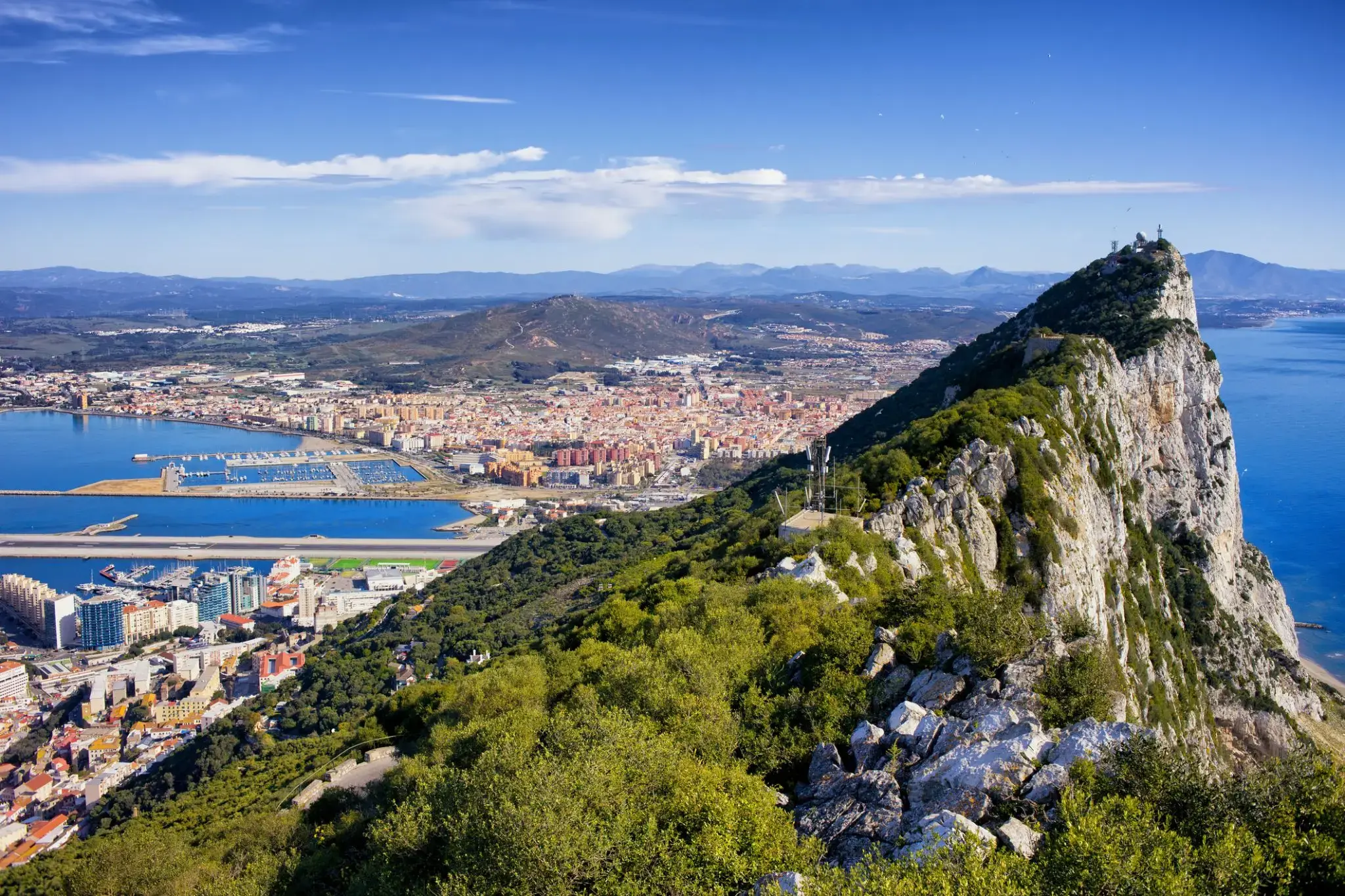
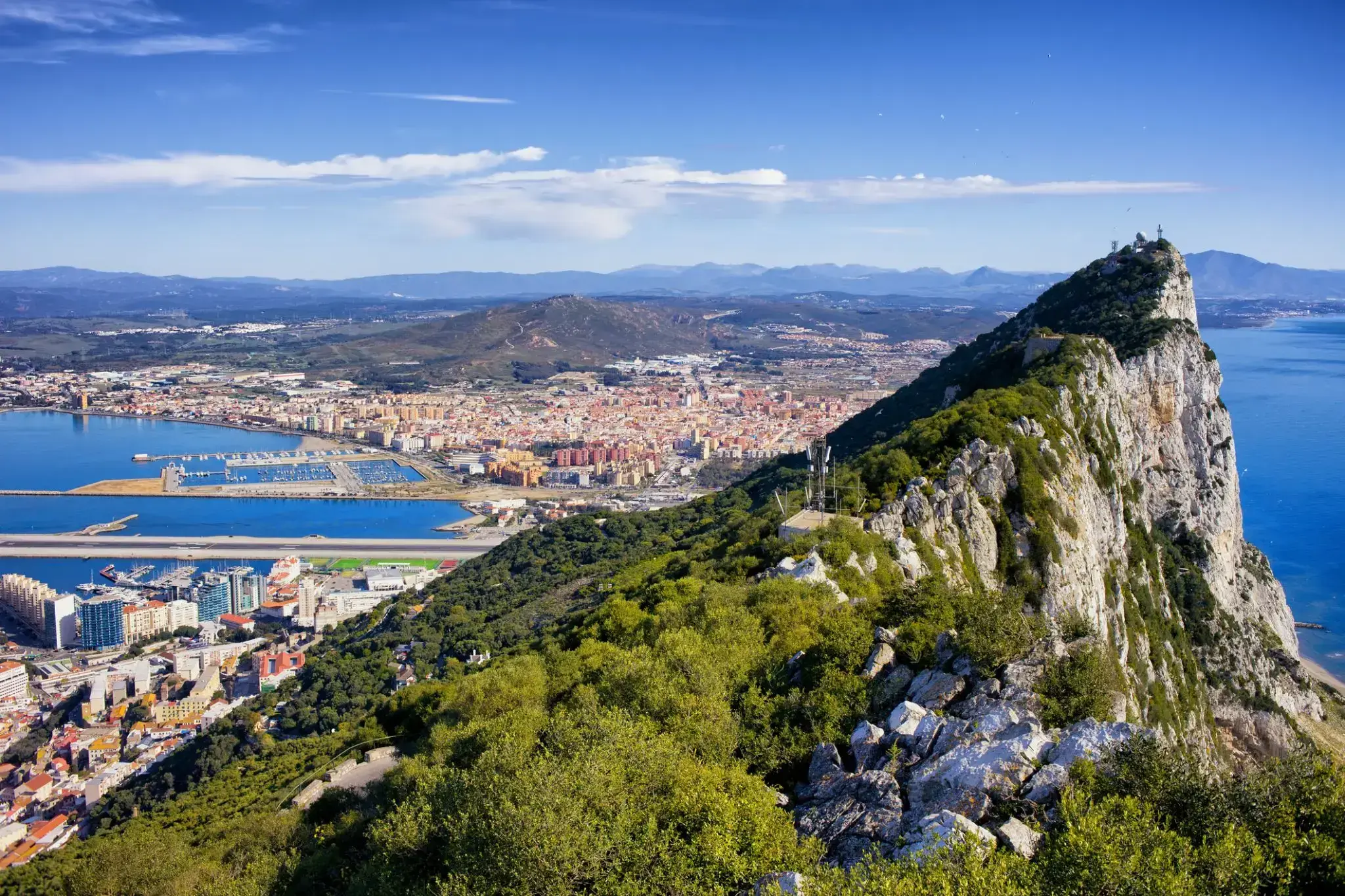
Gibraltar is a British Overseas Territory located at the southern tip of the Iberian Peninsula. It has an area of 6.7 km2 (2.6 sq mi) and is bordered to the north by Spain. The landscape is dominated by the Rock of Gibraltar at the foot of which is a densely populated town area, home to over 30,000 people, primarily Gibraltarians. It shares a maritime border with Morocco.
In 1704, Anglo-Dutch forces captured Gibraltar from Spain during the War of the Spanish Succession on behalf of the Habsburg claim to the Spanish throne. The territory was ceded to Great Britain in perpetuity under the Treaty of Utrechtin 1713. During World War II it was an important base for the Royal Navy as it controlled the entrance and exit to the Mediterranean Sea, which is only 8 miles (13 km) wide at this naval choke point. It remains strategically important, with half the world's seaborne trade passing through the strait. Today Gibraltar's economy is based largely on tourism, online gambling, financial services and cargo ship refuelling.
The sovereignty of Gibraltar is a point of contention in Anglo-Spanish relations because Spain asserts a claim to the territory. Gibraltarians rejected proposals for Spanish sovereignty in a 1967 referendum and, in a 2002 referendum, the idea of shared sovereignty was also rejected.
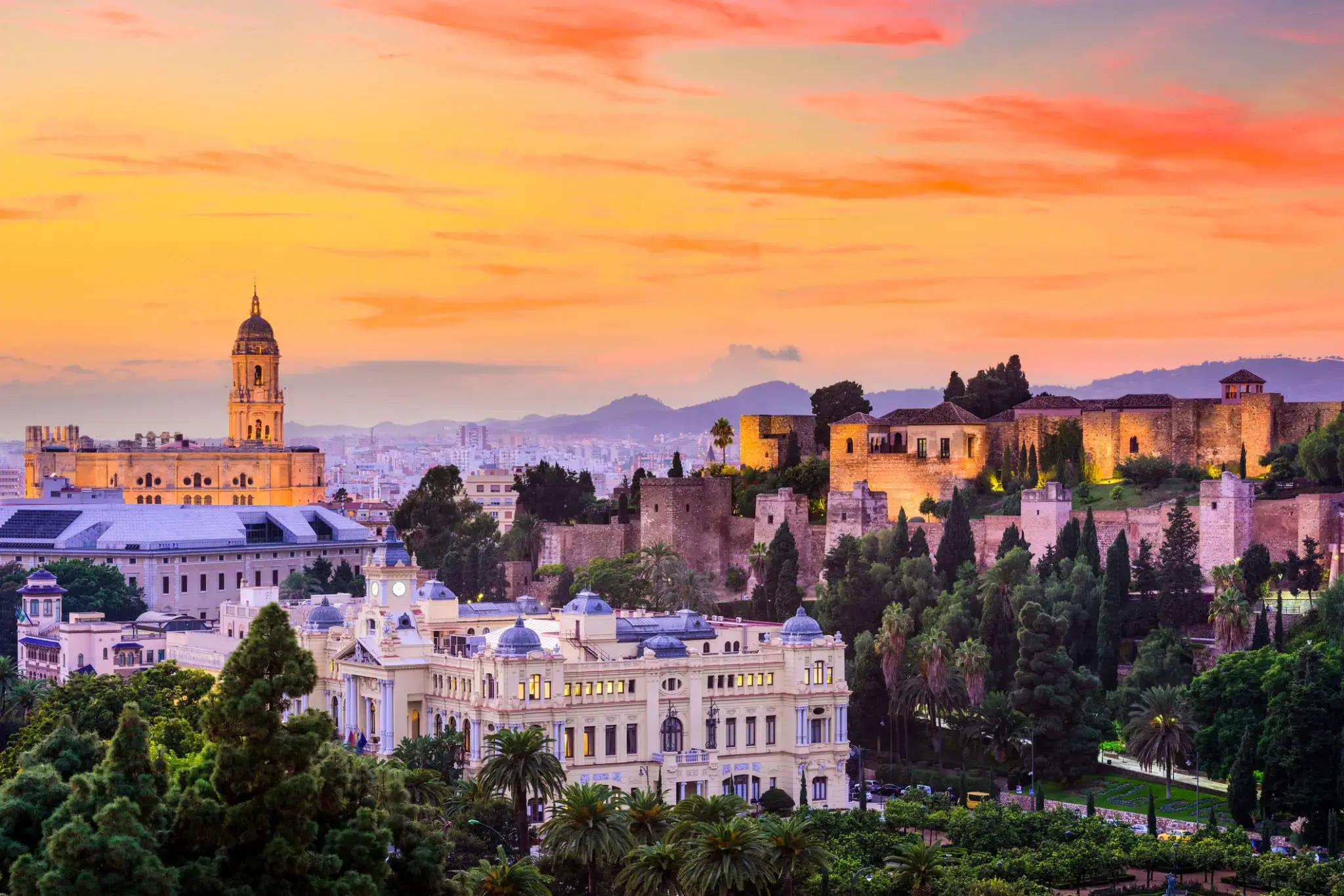
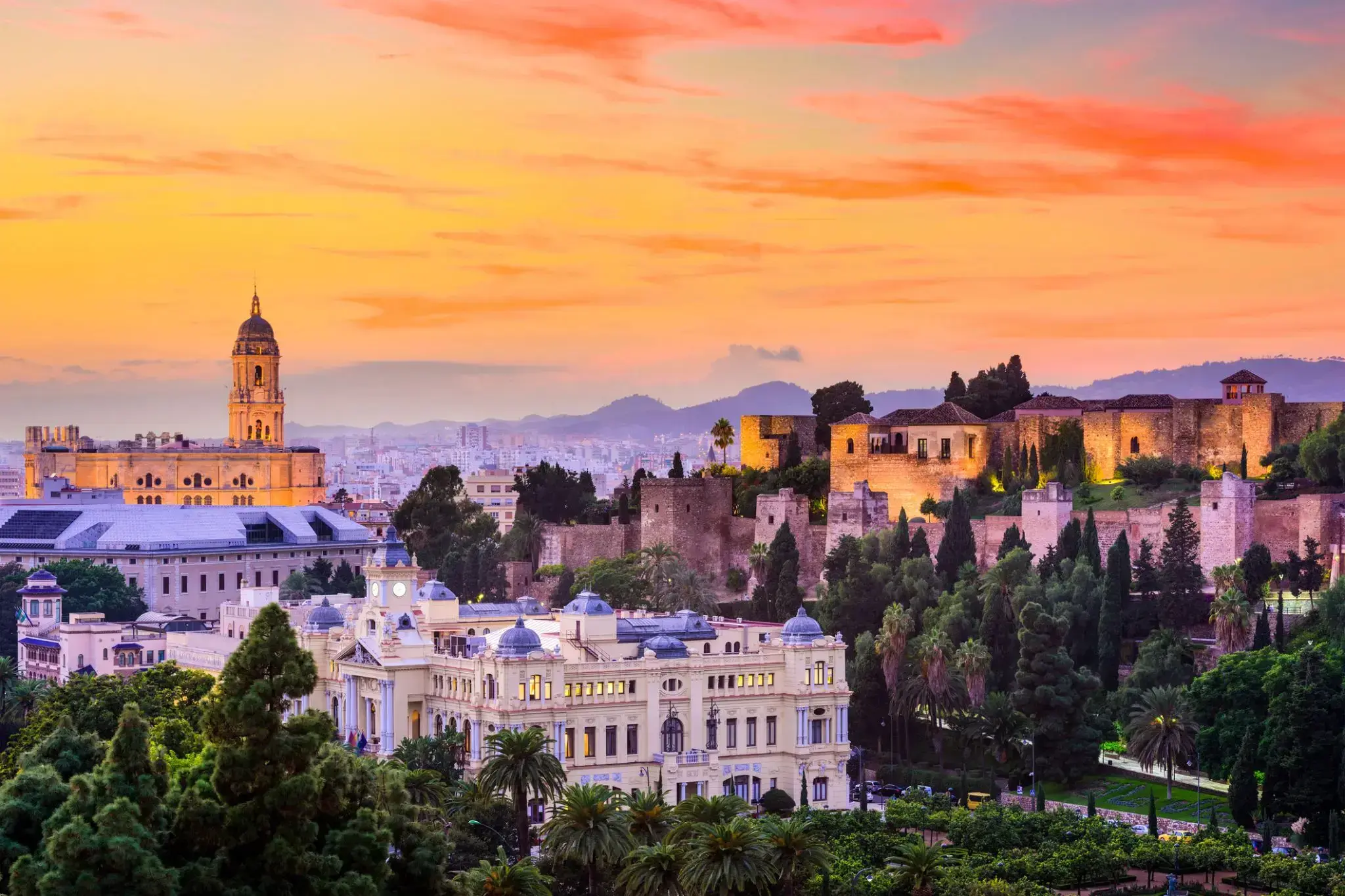
Málaga is a municipality, capital of the Province of Málaga, in the Autonomous Community of Andalusia, Spain. With a population of 569,130 in 2015, it is the second-most populous city of Andalusia and the sixth-largest in Spain. The southernmost large city in Europe, it lies on the Costa del Sol (Coast of the Sun) of the Mediterranean, about 100 kilometres (62.14 miles) east of the Strait of Gibraltar and about 130 km (80.78 mi) north of Africa.
Málaga's history spans about 2,800 years, making it one of the oldest cities in the world. According to most scholars, it was founded about 770 BC by the Phoenicians as Malaka From the 6th century BC the city was under the hegemony of Ancient Carthage, and from 218 BC, it was ruled by the Roman Republic and then empire as Malaca (Latin). After the fall of the empire and the end of Visigothic rule, it was under Islamic rule as Mālaqah for 800 years, but in 1487, the Crown of Castille gained control after the Reconquista. The archaeological remains and monuments from the Phoenician, Roman, Arabic and Christian eras make the historic center of the city an "open museum", displaying its history of nearly 3,000 years.
This important cultural infrastructure and the artistic heritage have culminated in the nomination of Málaga as a candidate for the 2016 European Capital of Culture.
The painter and sculptor Pablo Picasso, Hebrew poet and Jewish philosopher Solomon Ibn Gabirol and the actor Antonio Banderas were born in Málaga. The magnum opus of Cuban composer Ernesto Lecuona, "Malagueña", is named after the music of this region of Spain.
The most important business sectors in Málaga are tourism, construction and technology services, but other sectors such as transportation and logistics are beginning to expand. The Andalusia Technology Park (PTA), located in Málaga, has enjoyed significant growth since its inauguration in 1992. Málaga is the main economic and financial centre of southern Spain, home of the region's largest bank, Unicaja, and the fourth-ranking city in economic activity in Spain behind Madrid, Barcelona and Valencia.
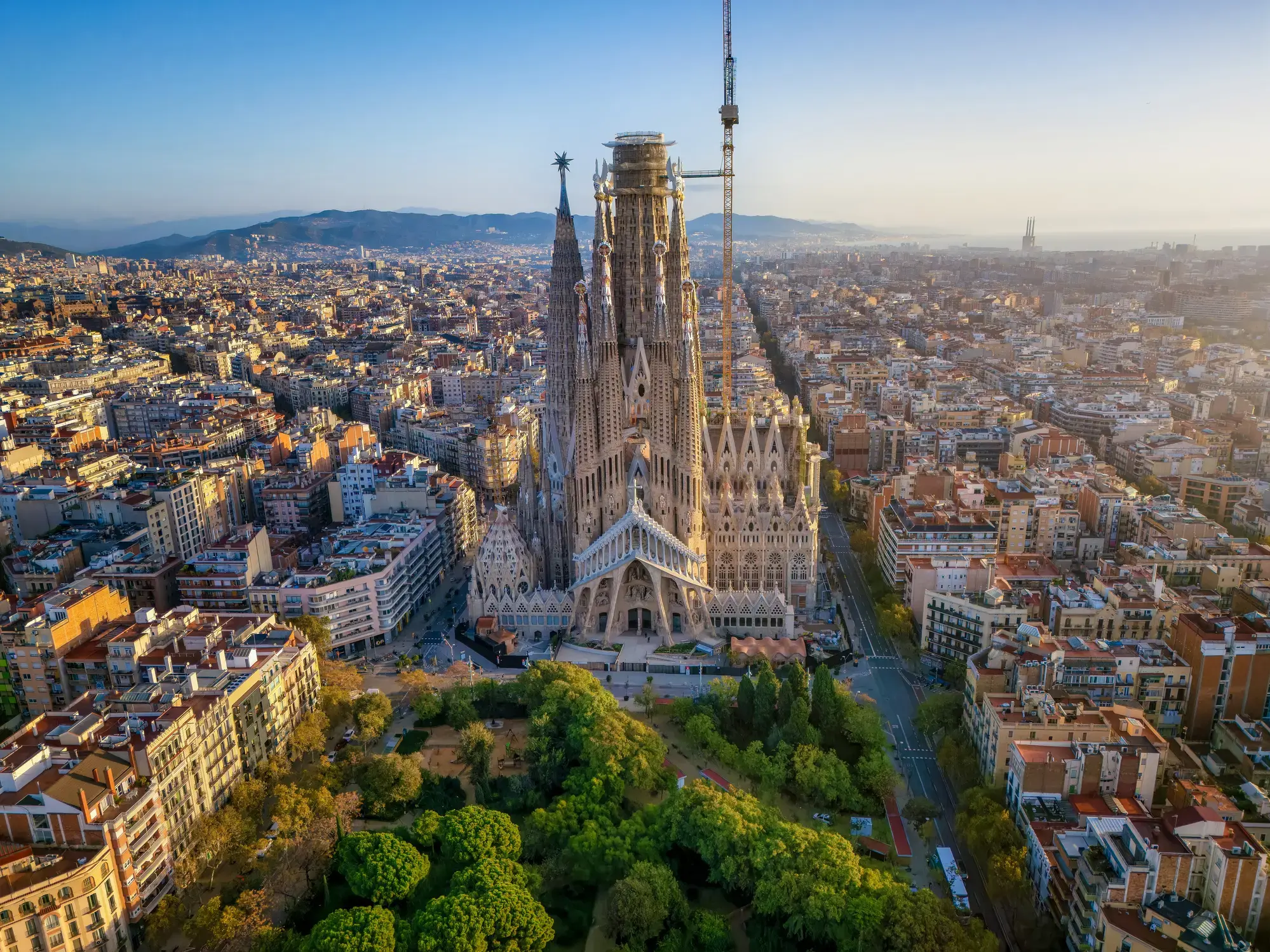
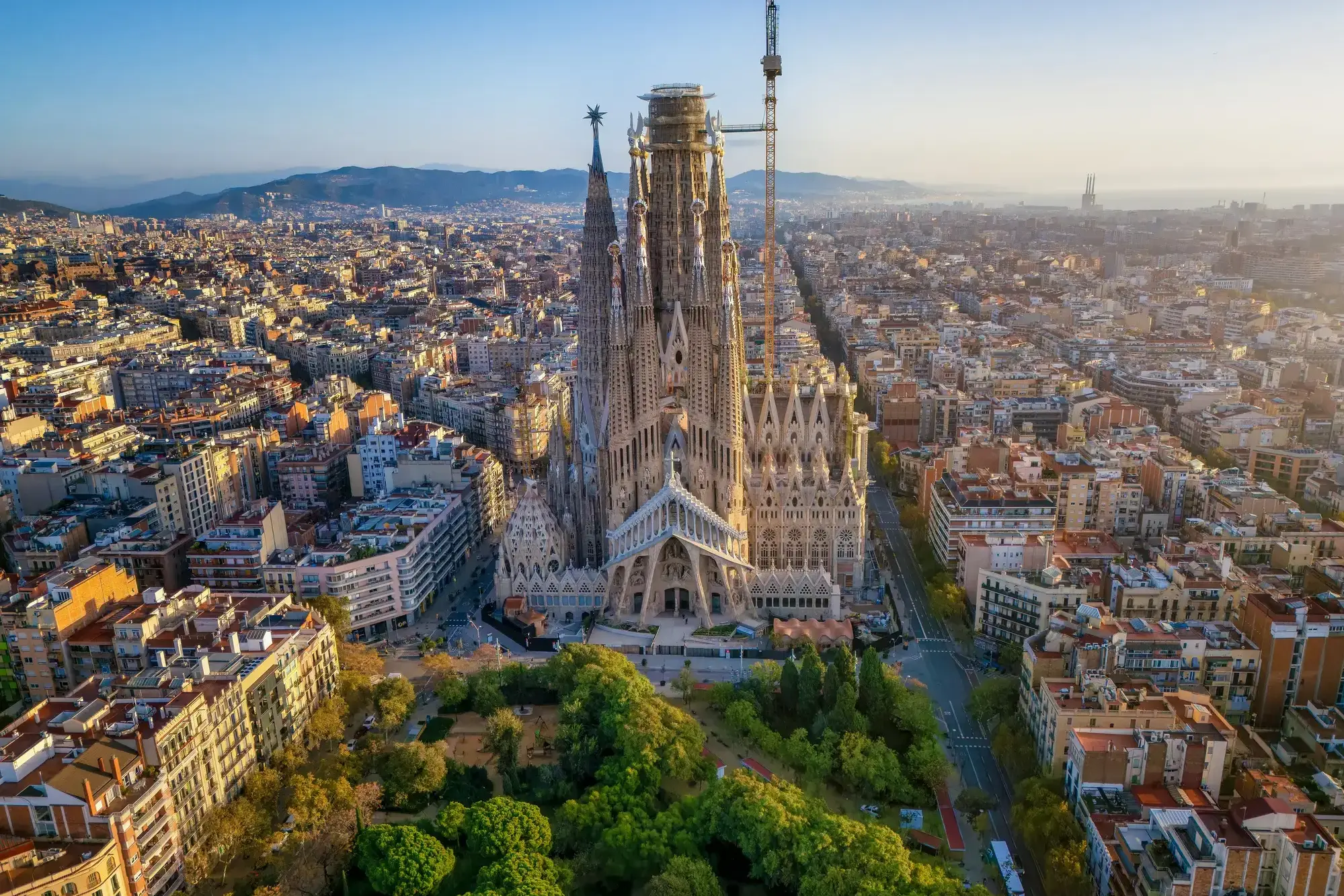
Barcelona is a city in Spain. It is the capital and largest city of Catalonia, as well as the second most populous municipality of Spain. With a population of 1.6 million within city limits, its urban area extends to numerous neighbouring municipalities within the Province of Barcelona and is home to around 4.8 million people, making it the sixth most populous urban area in the European Union after Paris, London, Madrid, the Ruhr area and Milan. It is one of the largest metropolises on the Mediterranean Sea, located on the coast between the mouths of the rivers Llobregat and Besòs, and bounded to the west by the Serra de Collserola mountain range, the tallest peak of which is 512 metres (1,680 feet) high.
Founded as a Roman city, in the Middle Ages Barcelona became the capital of the County of Barcelona. After merging with the Kingdom of Aragon, Barcelona continued to be an important city in the Crown of Aragon as an economic and administrative centre of this Crown and the capital of the Principality of Catalonia. Barcelona has a rich cultural heritage and is today an important cultural centre and a major tourist destination. Particularly renowned are the architectural works of Antoni Gaudí and Lluís Domènech i Montaner, which have been designated UNESCO World Heritage Sites. The headquarters of the Union for the Mediterranean are located in Barcelona. The city is known for hosting the 1992 Summer Olympics as well as world-class conferences and expositions and also many international sport tournaments.
Barcelona is one of the world's leading tourist, economic, trade fair and cultural centres, and its influence in commerce, education, entertainment, media, fashion, science, and the arts all contribute to its status as one of the world's major global cities. It is a major cultural and economic centre in southwestern Europe, 24th in the world (before Zürich, after Frankfurt) and a financial centre. In 2008 it was the fourth most economically powerful city by GDP in the European Union and 35th in the world with GDP amounting to €177 billion. In 2012 Barcelona had a GDP of $170 billion; and it was leading Spain in employment rate in that moment.
In 2009 the city was ranked Europe's third and one of the world's most successful as a city brand. In the same year the city was ranked Europe's fourth best city for business and fastest improving European city, with growth improved by 17% per year, and the city has been experiencing strong and renewed growth for the past three years. Since 2011 Barcelona has been a leading smart city in Europe. Barcelona is a transport hub, with the Port of Barcelona being one of Europe's principal seaports and busiest European passenger port, an international airport, Barcelona–El Prat Airport, which handles over 50 million passengers per year, an extensive motorway network, and a high-speed rail line with a link to France and the rest of Europe.