| Region rejsu : Azja |
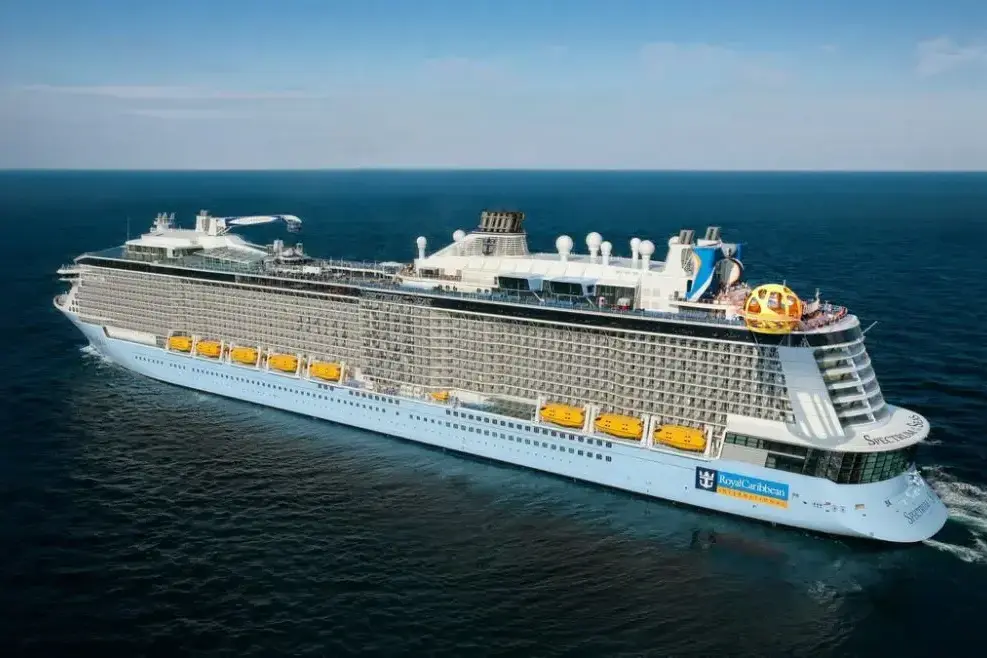
| Firma : Royal Caribbean International |
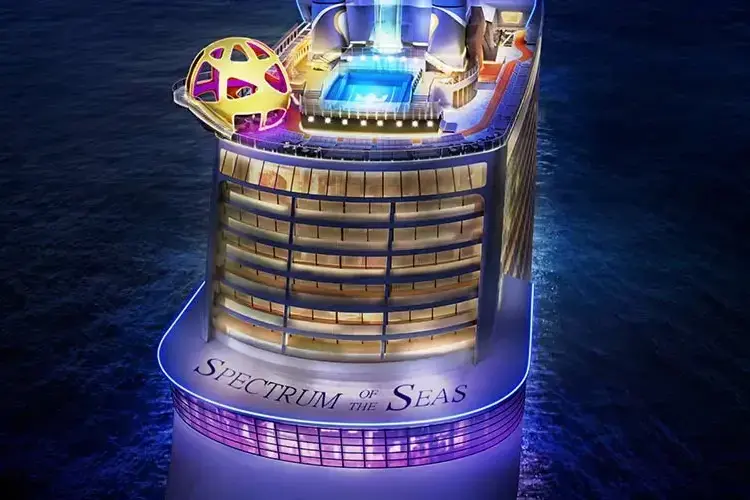
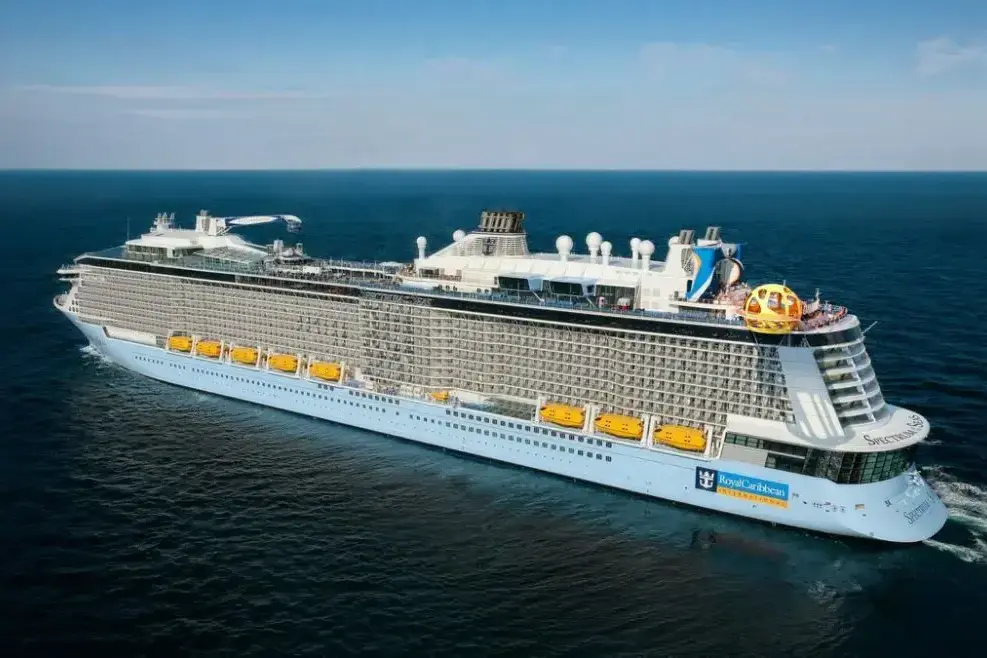
| Statek : Spectrum of the Seas |
| Data rozpoczęcia : pon. 17 maj 2027 |
| Data zakończenia : śr. 26 maj 2027 |
| Liczba nocy : 9 nocy |
| Dzień | Data | Port | Wypłynięcie | Odpłynięcie |
|---|---|---|---|---|
| 1 | 17.05 pon. | Yokohama (Tokio) / Japonia | 17:00 | |
| 2 | 18.05 wt. | Dzień na morzu / Morze | ||
| 3 | 19.05 śr. | Kagoshima / Japonia | 07:00 | 18:00 |
| 4 | 20.05 czw. | Nagasaki / Japonia | 07:00 | 19:00 |
| 5 | 21.05 pt. | Dzień na morzu / Morze | ||
| 6 | 22.05 sob. | Pekin / Chiny | 10:00 | |
| 7 | 23.05 niedz. | Pekin / Chiny | 20:00 | |
| 8 | 24.05 pon. | Dzień na morzu / Morze | ||
| 9 | 25.05 wt. | Dzień na morzu / Morze | ||
| 10 | 26.05 śr. | Szanghaj / Chiny | 06:30 |
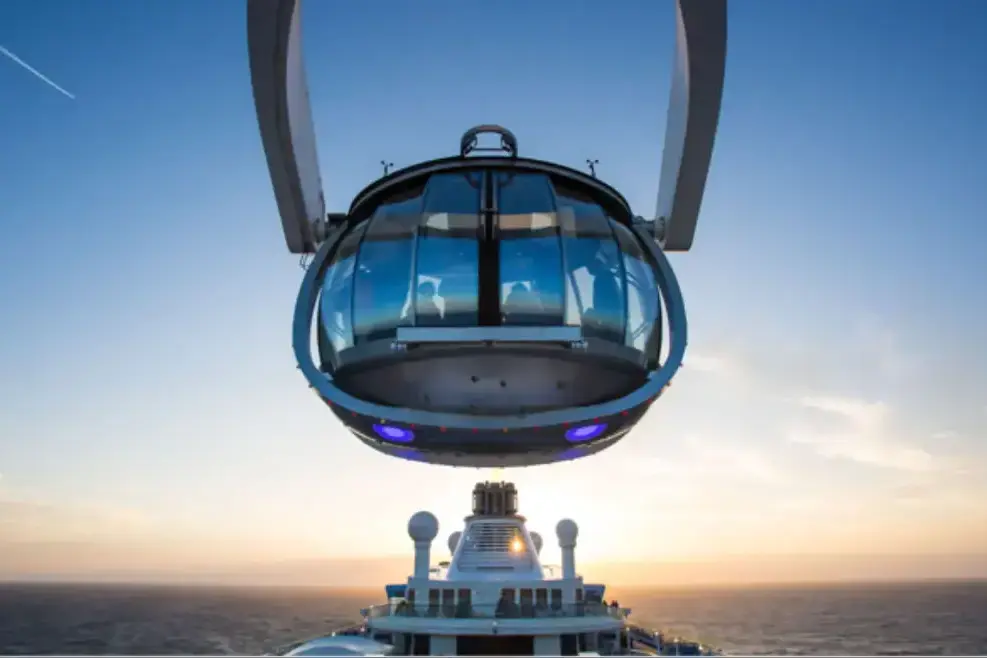
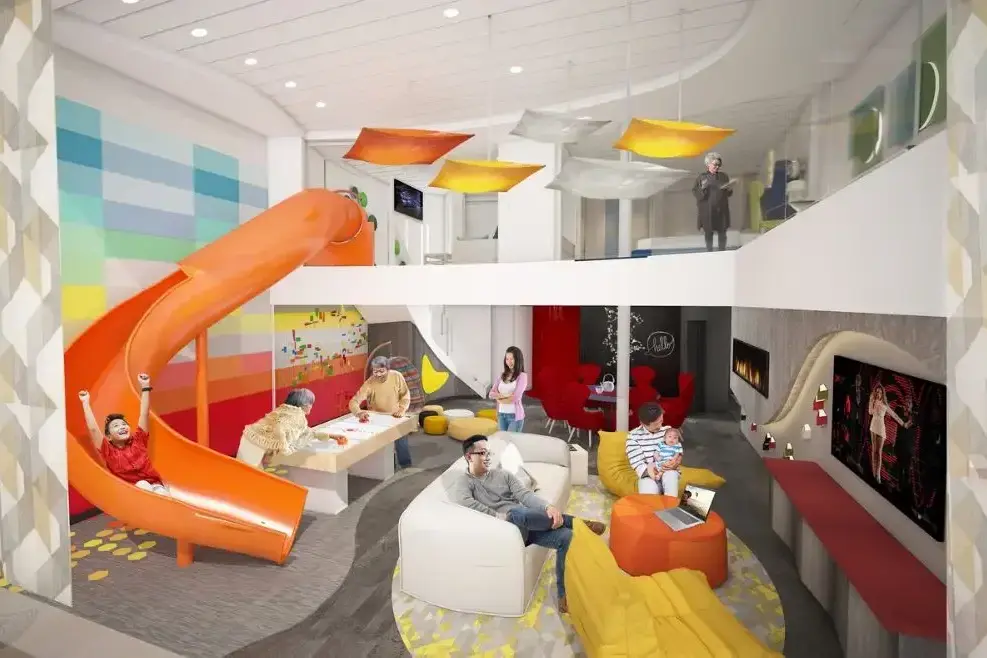
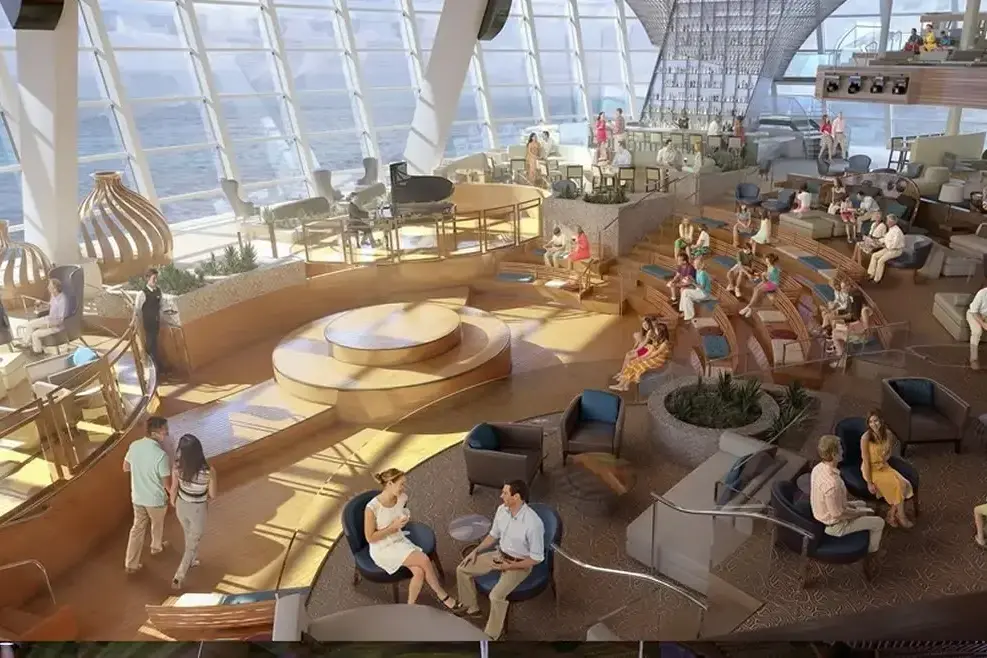
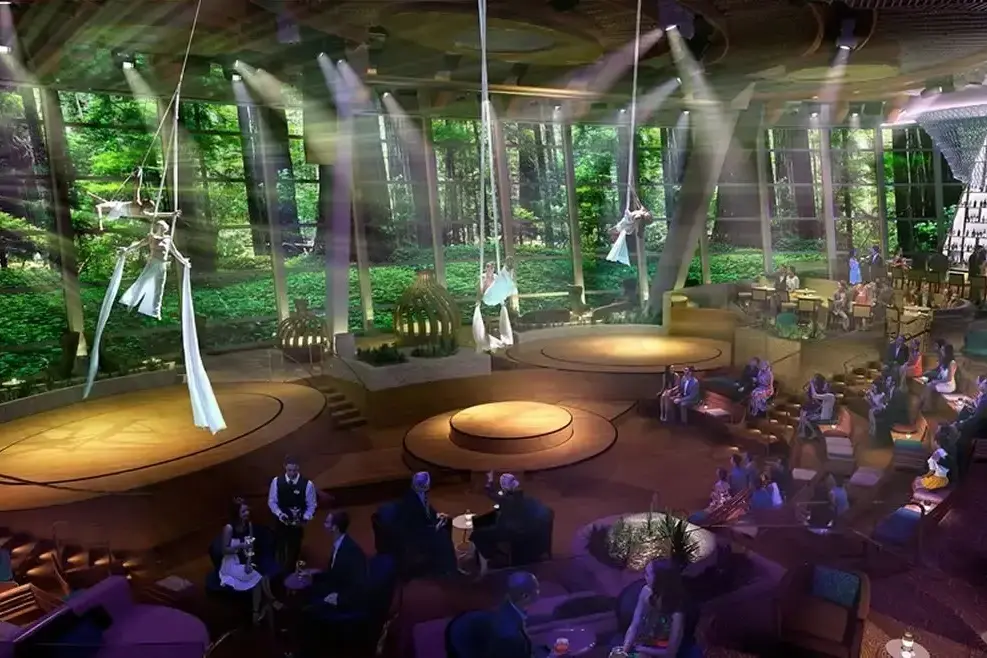
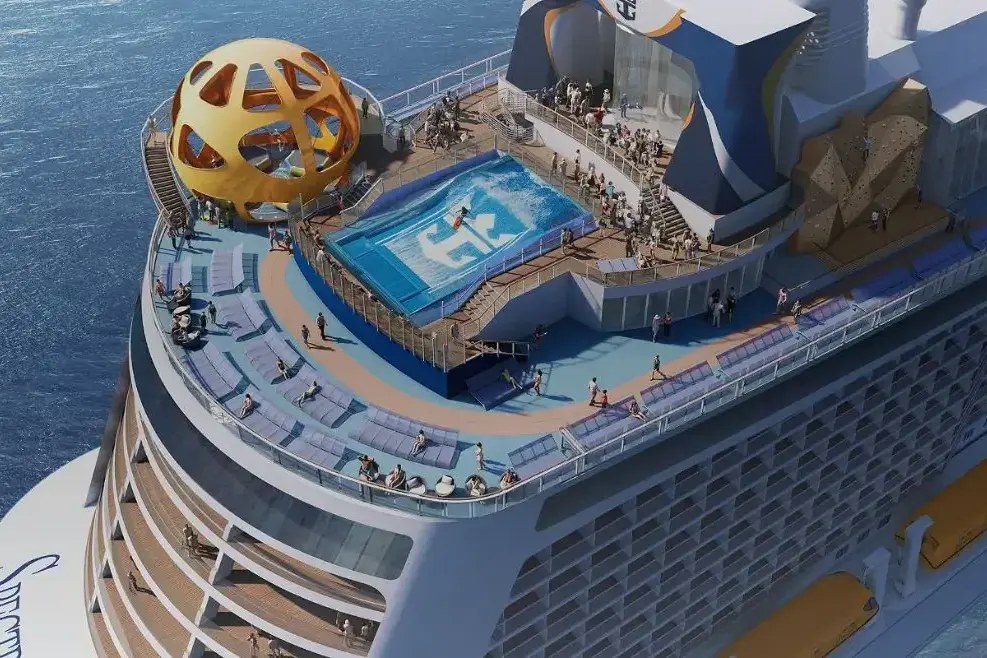
Royal Caribbean International dba o swoich pasażerów, zapewniając im komfort i różnorodność atrakcji na pokładzie.
Pakiet Deluxe z napojami
Jeśli chcesz pić kilka napojów alkoholowych dziennie podczas rejsu, to zakup tego pakietu będzie dla Ciebie idealnym rozwiązaniem.
Pakiet zawiera:
- koktajle, alkohole, likiery;
- piwo;
- wino (na kieliszki);
- koktajle bezalkoholowe;
- kawę i herbatę premium;
- napoje gazowane z dystrybutora / napoje Coca-Cola Freestyle;
- pamiątkowy kubek Coca-Cola w cenie;
- wodę niegazowaną i gazowaną w butelkach;
- świeżo wyciskane soki.
Cena pakietu:
Cena pakietu Deluxe różni się w zależności od statku i może ulec zmianie.
Dodatkowo, zamawiając pakiet, otrzymasz -40% zniżki na wina butelkowane do 100 USD i -20% na wina butelkowane powyżej 100 USD.
Cena na pokładzie wynosi obecnie 93 USD za dzień.
Royal Refreshment
Jeśli nie przepadasz za alkoholem lub jesteś za młody, aby go pić, to Refreshment jest właśnie dla Ciebie. To idealne rozwiązanie dla miłośników koktajli.
Pakiet zawiera:
- koktajle bezalkoholowe;
- napoje gazowane;
- pamiątkowy kubek Coca-Coli i napoje Coca-Cola Freestyle;
- wodę gazowaną i niegazowaną;
- kawę i herbatę premium
- świeżo wyciskane soki
Cena pakietu:
Cena pakietu Refreshment różni się w zależności od statku i może ulec zmianie.
Cena na pokładzie wynosi obecnie 36 USD/dzień.
Klasyczny pakiet napojów gazowanych
Klasyczny pakiet napojów gazowanych. Ciesz się chłodnymi napojami gazowanymi na całym statku wycieczkowym.
Pakiet zawiera:
- napoje Coca-Cola Freestyle;
- napoje gazowane z dystrybutora i dolewanie w dowolnym miejscu;
- pamiątkowy kubek Coca-Cola w cenie.
Cena pakietu:
Ceny pakietów napojów gazowanych różnią się w zależności od statku i mogą ulec zmianie.
Ceny na pokładzie zaczynają się obecnie od 13 USD/dzień.
Pakiet z wodą butelkowaną
Utrzymuj nawodnienie podczas rejsu dzięki wodzie źródlanej Evian Natural Spring Water, butelce świeżej wody z francuskich Alp.
Pakiet zawiera:
Wodę źródlaną Evian Natural Spring Water (butelki 1 l) dostarczoną do kabiny w dniu wejścia na pokład (12 lub 24 butelki).
Cena pakietu:
Cena pakietu z wodą - 20 USD
Oprócz pakietów napojów, goście mogą zarezerwować KARTĘ KAWOWĄ, która daje dostęp do 15 wybranych rodzajów kawy, herbaty, klasy premium i gorącej czekolady. Kupując tę kartę, oszczędzasz 50%. Koszt karty wynosi 31 USD.
Dodatkowe informacje o pakietach napojów Royal Caribbean
- Pakiety napojów można kupić na pokładzie statku w trakcie rejsu, a także przed wypłynięciem.
- Kupując pakiet napojów Deluxe dla jednego gościa, należy dodać ten sam pakiet dla wszystkich dorosłych gości w kabinie.
- Pakiety napojów bezalkoholowych mogą być kupowane indywidualnie przez gości, ale nie można ich przekazywać innym osobom.
- Podane ceny pakietów odzwierciedlają dzienny koszt za osobę i nie zawierają 18% napiwku, który zostanie doliczony do ceny.
- Pakiety nie obejmują napojów sprzedawanych w sklepach z pamiątkami, minibarach ani w kabinach pasażerskich.
- Aby kupować i spożywać napoje alkoholowe na statkach Royal Caribbean, musisz mieć ukończone 21 lat.
W zależności od daty rejsu, wymagana jest płatność w celu potwierdzenia rezerwacji kabiny. Po dokonaniu przedpłaty, kierownik potwierdza zgłoszenie w systemie rejsowym i powiadamia o tym e-mailem.
Czas trwania rejsu Zaliczka (przedpłata)
1-5 nocy 100 USD/osoba
6-9 nocy 250 USD/osoba
10 i więcej nocy 450 USD/osoba
Płatność całkowita
60 dni przed rejsem
Płatność całkowita (rejsy od 24 do 31 grudnia)
90 dni przed rejsem
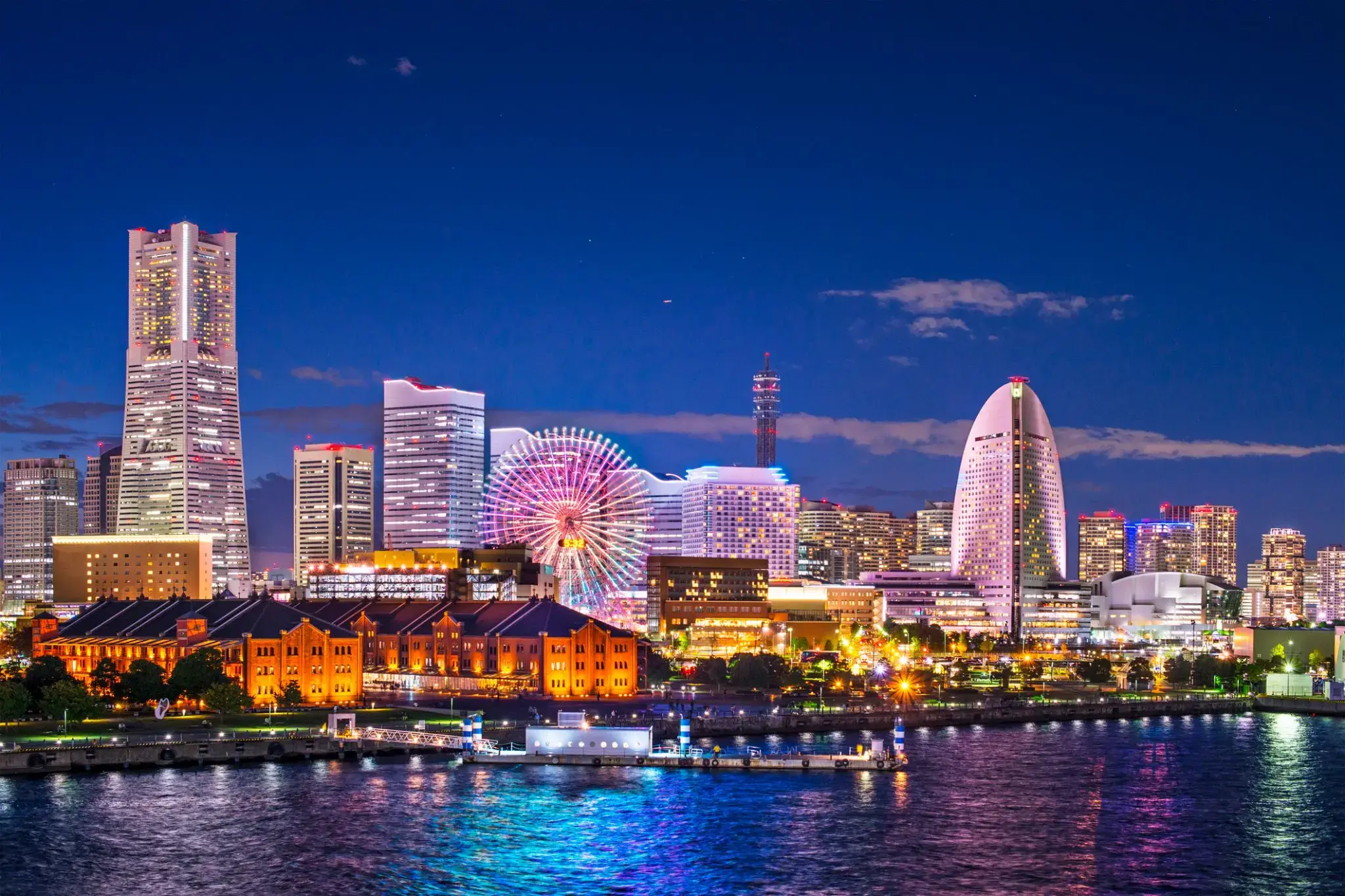
Tokyo, officially Tokyo Metropolis, one of the 47 prefectures of Japan, has served as the Japanese capital since 1869. As of 2014, the Greater Tokyo Arearanked as the most populous metropolitan area in the world. The urban area houses the seat of the Emperor of Japan, of the Japanese government and of the National Diet. Tokyo forms part of the Kantō region on the southeastern side of Japan's main island, Honshu, and includes the Izu Islands and Ogasawara Islands. Tokyo was formerly named Edo when Shōgun Tokugawa Ieyasu made the city his headquarters in 1603. It became the capital after Emperor Meiji moved his seat to the city from Kyoto in 1868; at that time Edo was renamed Tokyo. Tokyo Metropolis formed in 1943 from the merger of the former Tokyo Prefecture and the city of Tokyo. Tokyo is often referred to as a city but is officially known and governed as a "metropolitan prefecture", which differs from and combines elements of a city and a prefecture, a characteristic unique to Tokyo.
The 23 Special Wards of Tokyo were formerly Tokyo City. On July 1, 1943, it merged with Tokyo Prefecture and became Tokyo Metropolis with an additional 26 municipalities in the western part of the prefecture, and the Izu islandsand Ogasawara islands south of Tokyo. The population of the special wards is over 9 million people, with the total population of Tokyo Metropolis exceeding 13.8 million. The prefecture is part of the world's most populous metropolitan area called the Greater Tokyo Area with over 38 million people and the world's largest urban agglomeration economy. As of 2011, Tokyo hosted 51 of the Fortune Global 500 companies, the highest number of any city in the world at that time. Tokyo ranked third (twice) in the International Financial Centres Development Index. The city is home to various television networks such as Fuji TV, Tokyo MX, TV Tokyo, TV Asahi, Nippon Television, NHK and the Tokyo Broadcasting System.
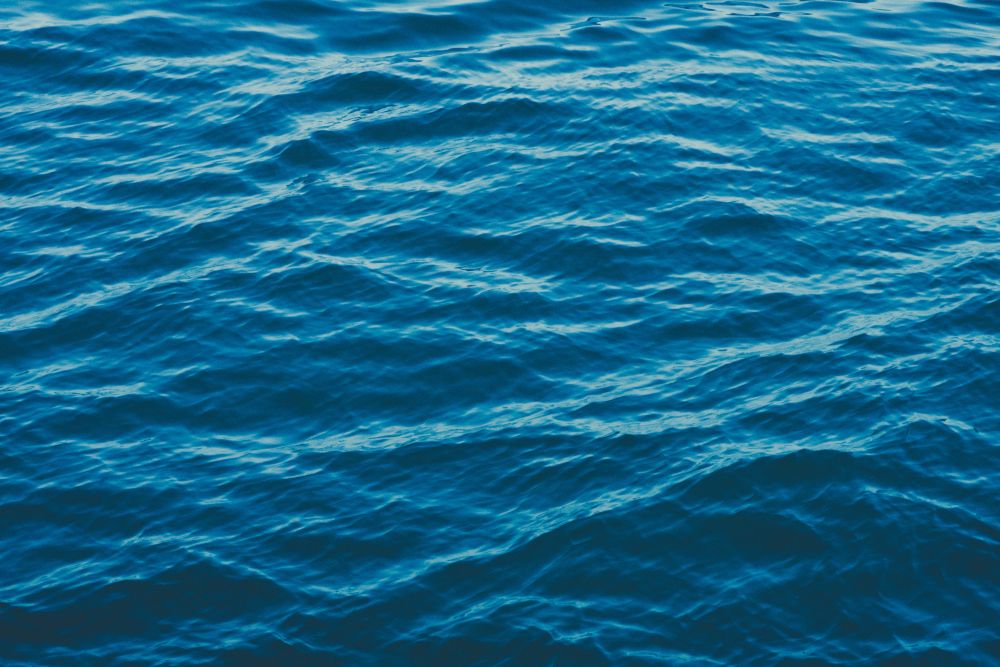

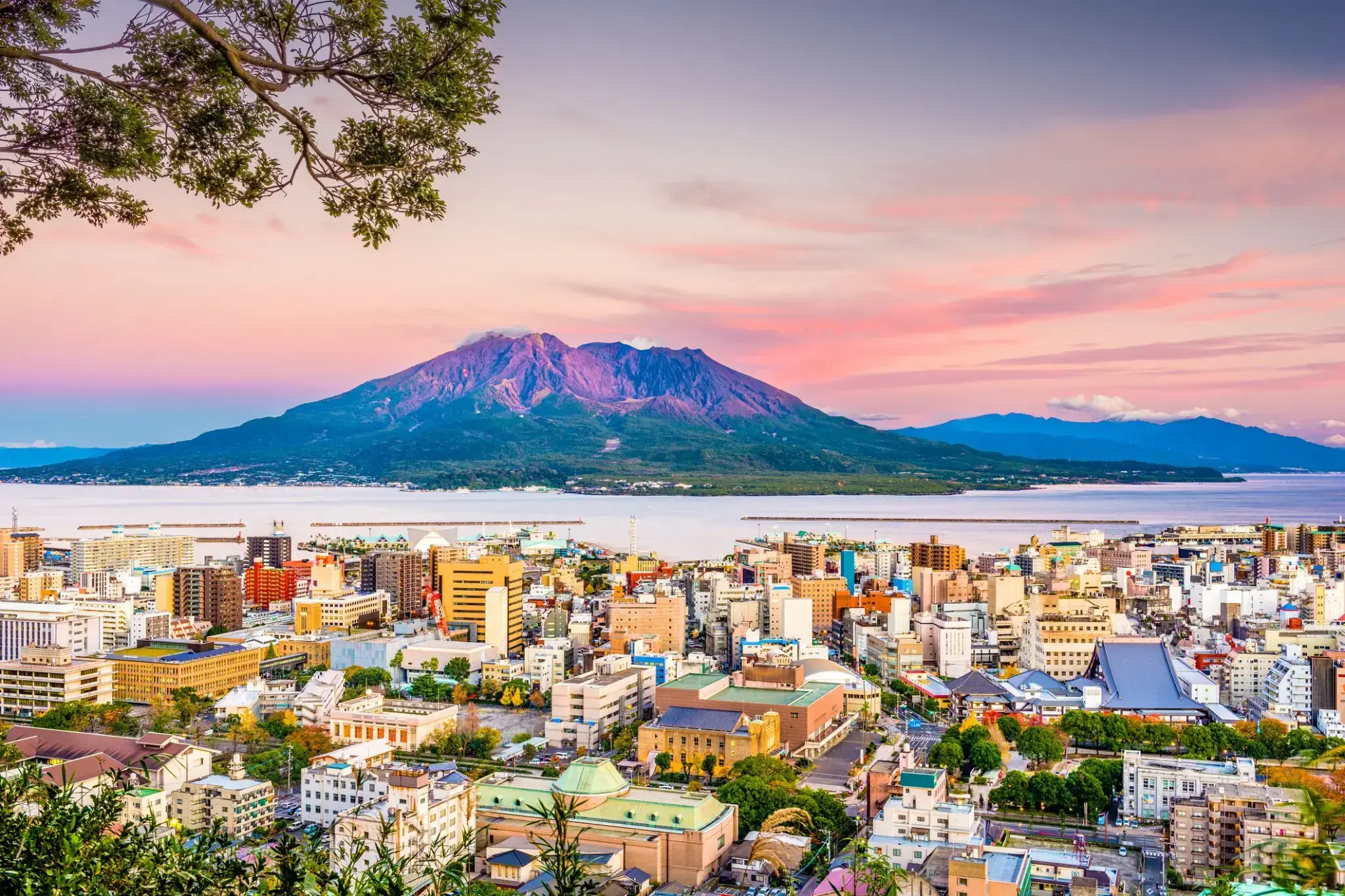
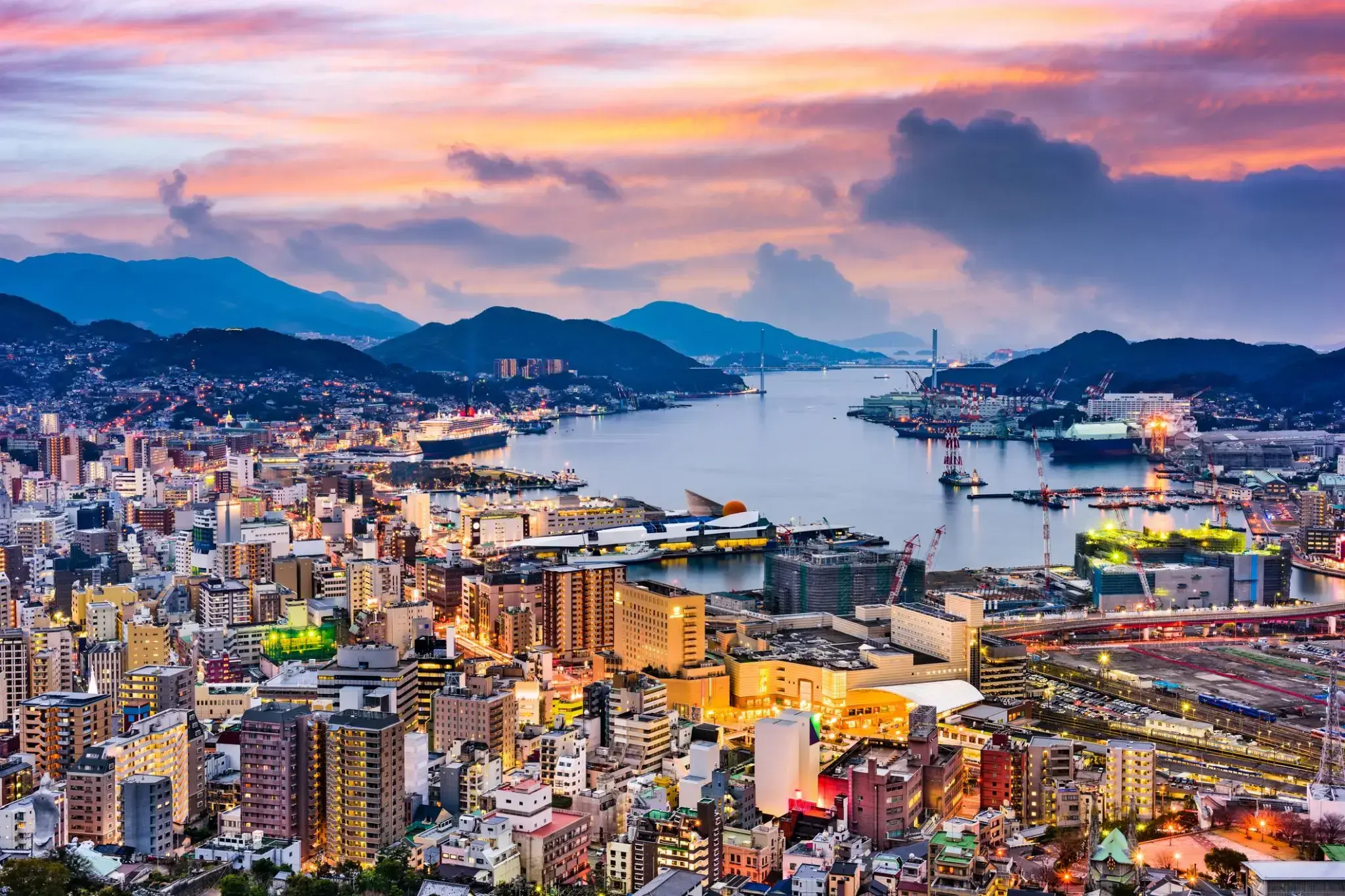
Kagoshima is the capital city of Kagoshima Prefecture at the south western tip of the island of Kyushu in Japan, and the largest city in the prefecture by some margin. It has been nicknamed the "Naples of the Eastern world" for its bay location (Aira Caldera), hot climate, and emblematic stratovolcano, Sakurajima. The city was officially founded on April 1, 1889.
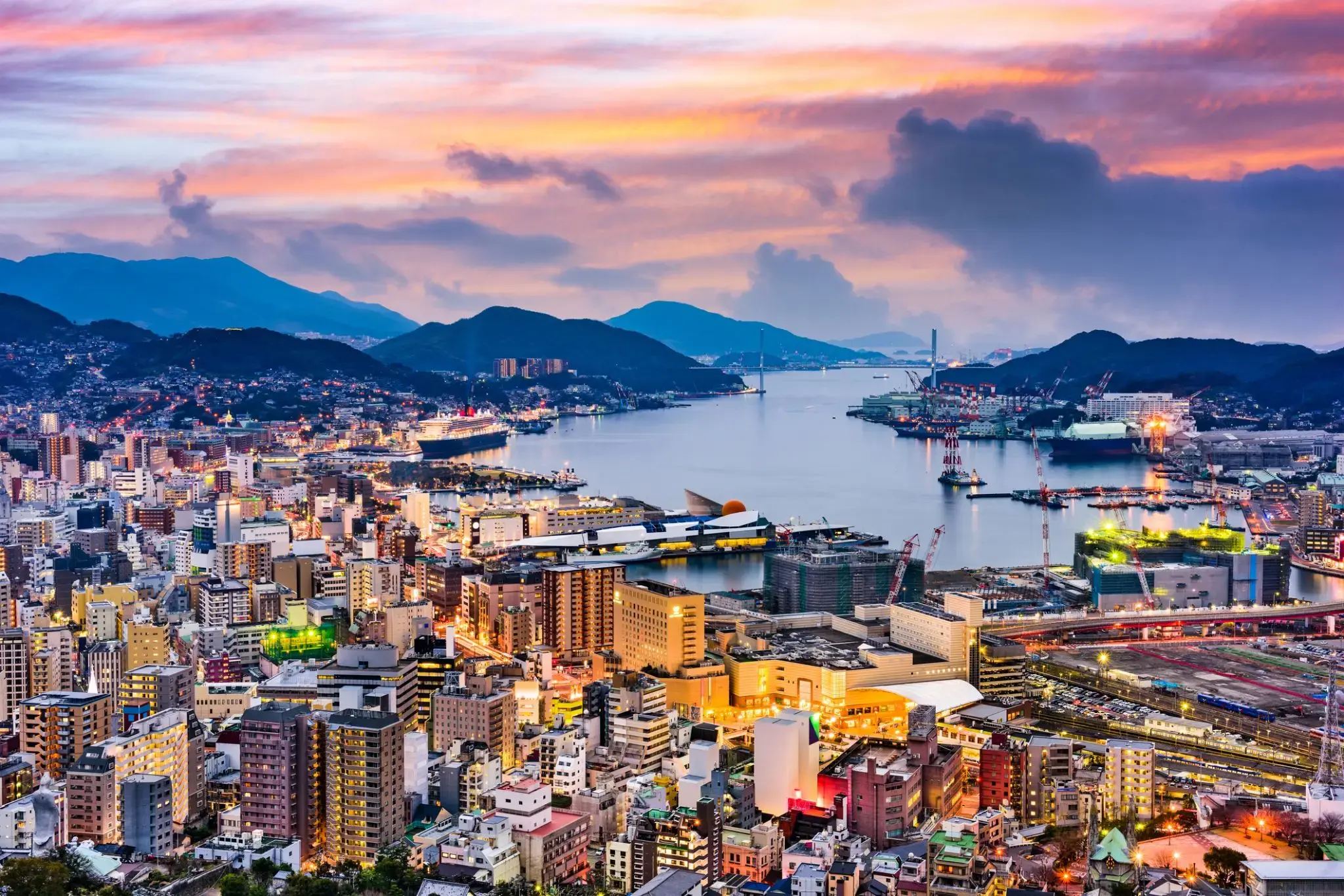
Nagasaki is the capital and the largest city of Nagasaki Prefecture on the island of Kyushu in Japan. The city's name means "long cape" in Japanese. Nagasaki became a centre of colonial Portuguese and Dutch influence in the 16th through 19th centuries, and the Hidden Christian Sites in the Nagasaki Region have been recognized and included in the UNESCO World Heritage List. Part of Nagasaki was home to a major Imperial Japanese Navy base during the First Sino-Japanese War and Russo-Japanese War.
During World War II, the American atomic bombings of Hiroshima and Nagasaki made Nagasaki the second and, to date, last city in the world to experience a nuclear attack (at 11:02 a.m., August 9, 1945 'Japan Standard Time (UTC+9)').
As of 1 March 2017, the city has an estimated population of 425,723 and a population density of 1,000 people per km2. The total area is 406.35 km2 (156.89 sq mi).
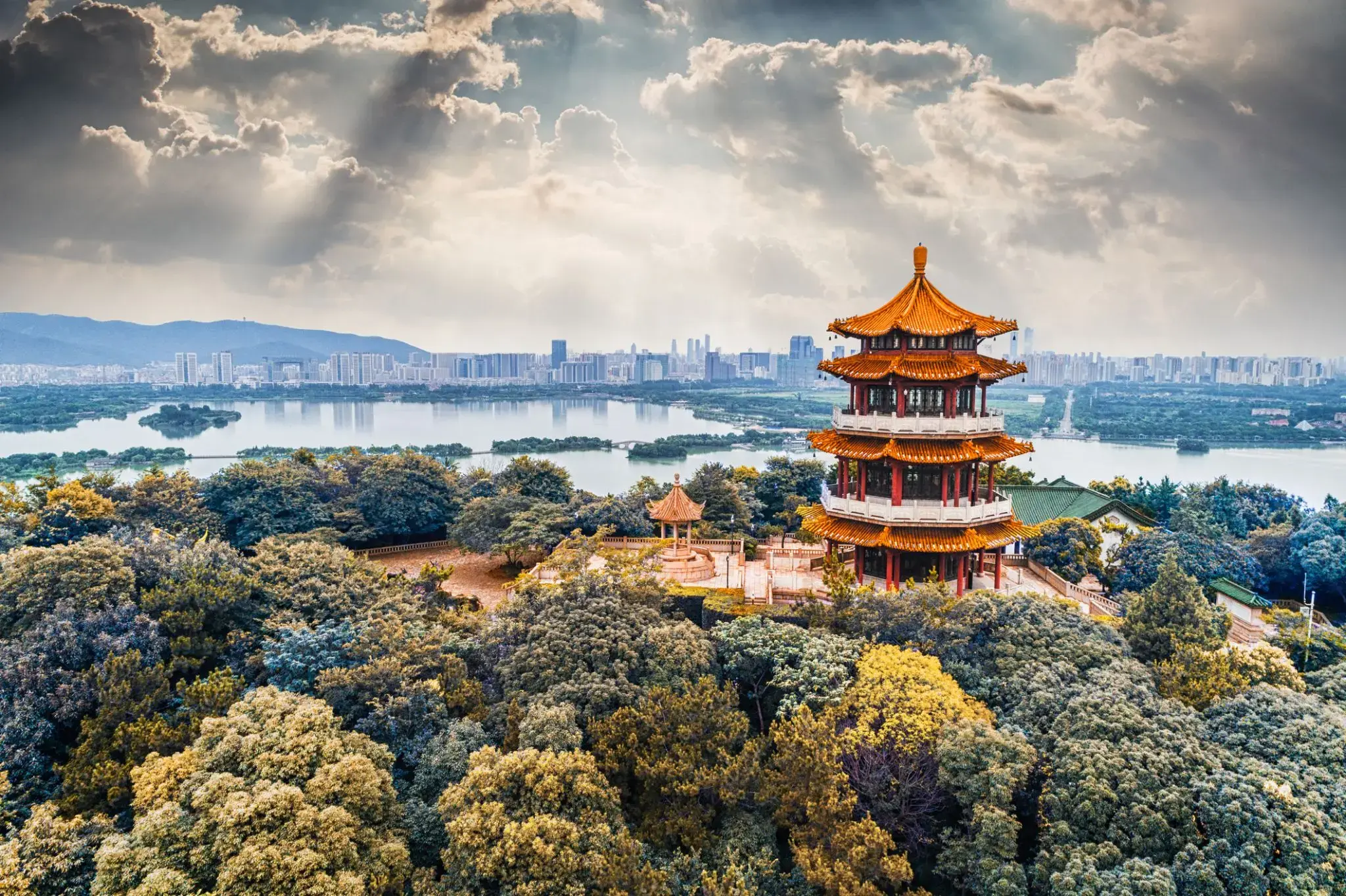
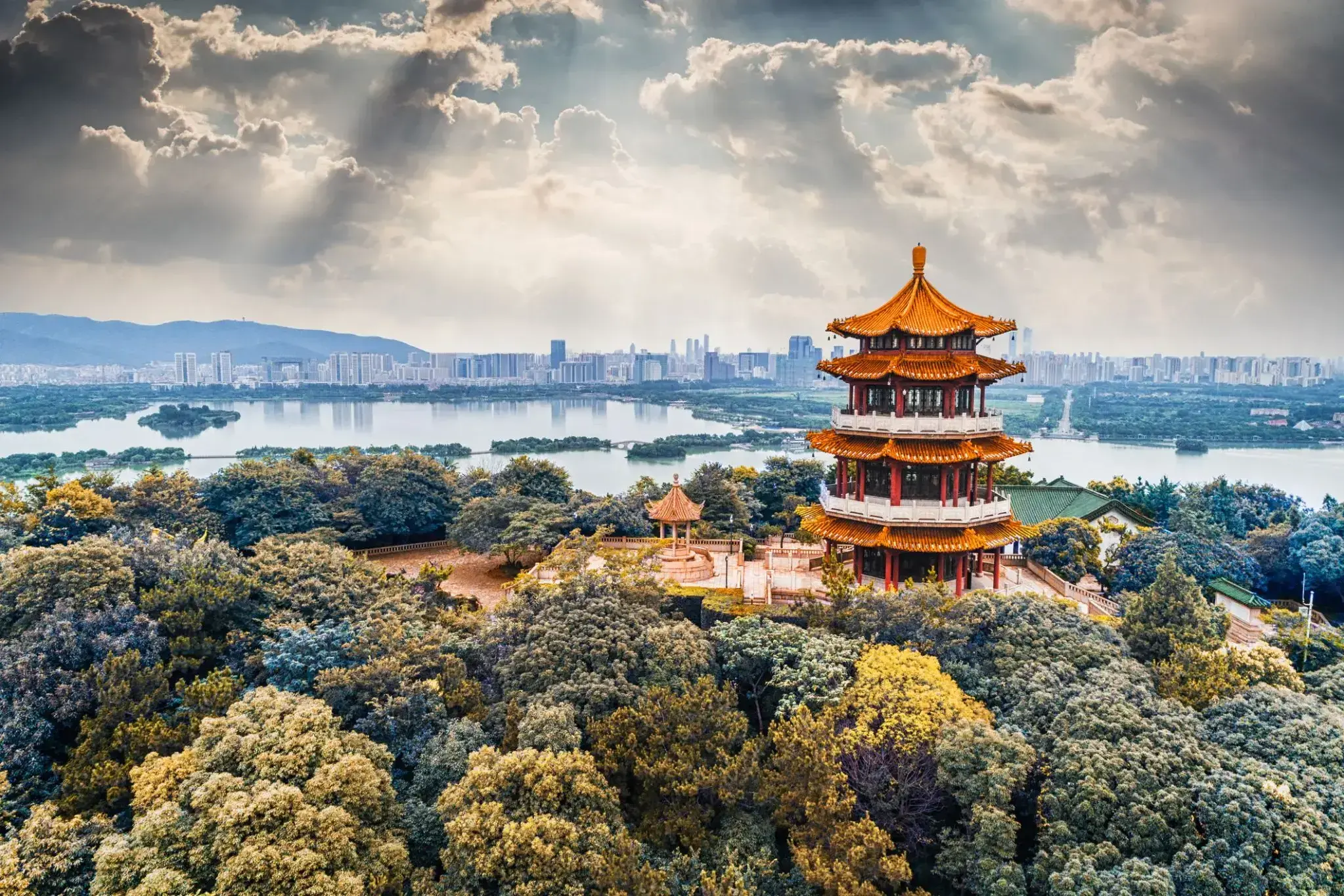
Beijing, formerly romanized as Peking, is the capital of the People's Republic of China, the world's third most populous city proper, and most populous capital city. The city, located in northern China, is governed as a municipality under the direct administration of central government with 16 urban, suburban, and rural districts. Beijing Municipality is surrounded by HebeiProvince with the exception of neighboring Tianjin Municipality to the southeast; together the three divisions form the Jingjinji metropolitan region and the national capital region of China.
Beijing is an important world capital and global power city, and one of the world's leading centers for politics, economy and business, finance, education, culture, innovation and technology, architecture, language, and diplomacy. A megacity, Beijing is the second largest Chinese city by urban population after Shanghai and is the nation's political, cultural, and educational center. It is home to the headquarters of most of China's largest state-owned companiesand houses the largest number of Fortune Global 500 companies in the world, as well as the world's four biggest financial institutions. It is also a major hub for the national highway, expressway, railway, and high-speed railnetworks. The Beijing Capital International Airport has been the second busiest in the world by passenger traffic since 2010, and, as of 2016, the city's subway network is the busiest and second longest in the world.
Combining both modern and traditional architecture, Beijing is one of the oldest cities in the world, with a rich historydating back three millennia. As the last of the Four Great Ancient Capitals of China, Beijing has been the political center of the country for most of the past eight centuries, and was the largest city in the world by population for much of the second millennium A.D. Encyclopædia Britannica notes that "few cities in the world have served for so long as the political headquarters and cultural center of an area as immense as China." With mountains surrounding the inland city on three sides, in addition to the old inner and outer city walls, Beijing was strategically poised and developed to be the residence of the emperor and thus was the perfect location for the imperial capital. The city is renowned for its opulent palaces, temples, parks, gardens, tombs, walls and gates. It has seven UNESCO World Heritage Sites—the Forbidden City, Temple of Heaven, Summer Palace, Ming Tombs, Zhoukoudian, and parts of the Great Wall and the Grand Canal— all popular locations for tourism. Siheyuans, the city's traditional housing style, and hutongs, the narrow alleys between siheyuans, are major tourist attractions and are common in urban Beijing.
Many of Beijing's 91 universities consistently rank among the best in China, such as the Peking University and Tsinghua University. Beijing CBD is a center for Beijing's economic expansion, with the ongoing or recently completed construction of multiple skyscrapers. Beijing's Zhongguancun area is known as China's Silicon Valley and a center of innovation and technology entrepreneurship.
Beijing, formerly romanized as Peking, is the capital of the People's Republic of China, the world's third most populous city proper, and most populous capital city. The city, located in northern China, is governed as a municipality under the direct administration of central government with 16 urban, suburban, and rural districts. Beijing Municipality is surrounded by HebeiProvince with the exception of neighboring Tianjin Municipality to the southeast; together the three divisions form the Jingjinji metropolitan region and the national capital region of China.
Beijing is an important world capital and global power city, and one of the world's leading centers for politics, economy and business, finance, education, culture, innovation and technology, architecture, language, and diplomacy. A megacity, Beijing is the second largest Chinese city by urban population after Shanghai and is the nation's political, cultural, and educational center. It is home to the headquarters of most of China's largest state-owned companiesand houses the largest number of Fortune Global 500 companies in the world, as well as the world's four biggest financial institutions. It is also a major hub for the national highway, expressway, railway, and high-speed railnetworks. The Beijing Capital International Airport has been the second busiest in the world by passenger traffic since 2010, and, as of 2016, the city's subway network is the busiest and second longest in the world.
Combining both modern and traditional architecture, Beijing is one of the oldest cities in the world, with a rich historydating back three millennia. As the last of the Four Great Ancient Capitals of China, Beijing has been the political center of the country for most of the past eight centuries, and was the largest city in the world by population for much of the second millennium A.D. Encyclopædia Britannica notes that "few cities in the world have served for so long as the political headquarters and cultural center of an area as immense as China." With mountains surrounding the inland city on three sides, in addition to the old inner and outer city walls, Beijing was strategically poised and developed to be the residence of the emperor and thus was the perfect location for the imperial capital. The city is renowned for its opulent palaces, temples, parks, gardens, tombs, walls and gates. It has seven UNESCO World Heritage Sites—the Forbidden City, Temple of Heaven, Summer Palace, Ming Tombs, Zhoukoudian, and parts of the Great Wall and the Grand Canal— all popular locations for tourism. Siheyuans, the city's traditional housing style, and hutongs, the narrow alleys between siheyuans, are major tourist attractions and are common in urban Beijing.
Many of Beijing's 91 universities consistently rank among the best in China, such as the Peking University and Tsinghua University. Beijing CBD is a center for Beijing's economic expansion, with the ongoing or recently completed construction of multiple skyscrapers. Beijing's Zhongguancun area is known as China's Silicon Valley and a center of innovation and technology entrepreneurship.

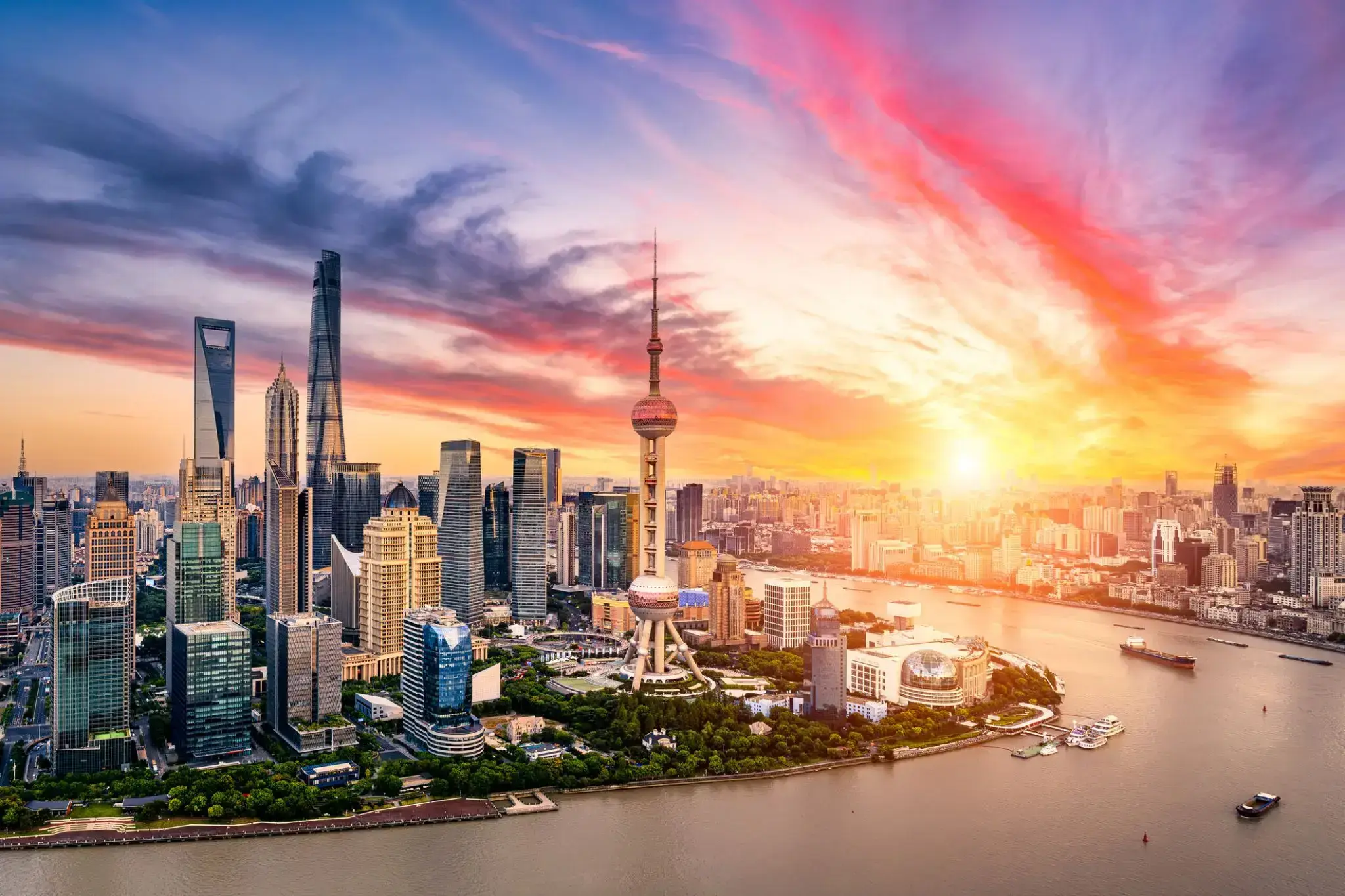
Shanghai is one of the four municipalities under the direct administration of the central government of the Republic of China, the largest city in China by population, and the second most populous city proper in the world, with a population of 24.18 million as of 2017. It is a global financial centre and transport hub, with the world's busiest container port. Located in the Yangtze River Delta, it sits on the south edge of the estuary of the Yangtze in the middle portion of the East Chinacoast. The municipality borders the provinces of Jiangsu and Zhejiang to the north, south and west, and is bounded to the east by the East China Sea.
As a major administrative, shipping and trading city, Shanghai grew in importance in the 19th century due to trade and recognition of its favourable port location and economic potential. The city was one of five treaty ports forced open to foreign trade following the British victory over China in the First Opium War. The subsequent 1842 Treaty of Nankingand 1844 Treaty of Whampoa allowed the establishment of the Shanghai International Settlement and the French Concession. The city then flourished as a centre of commerce between China and other parts of the world (predominantly the Occident), and became the primary financial hub of the Asia-Pacific region in the 1930s. However, with the Communist Party takeover of the mainland in 1949, trade was limited to other socialist countries, and the city's global influence declined. In the 1990s, the economic reforms introduced by Deng Xiaoping resulted in an intense re-development of the city, aiding the return of finance and foreign investment to the city. It has since re-emerged as a hub for international trade and finance; it is the home of the Shanghai Stock Exchange, one of the world's largest by market capitalization.
Shanghai has been described as the "showpiece" of the booming economy of mainland China; renowned for its Lujiazui skyline, and museums and historic buildings, such as those along The Bund, as well as the City God Templeand the Yu Garden.